
Plants
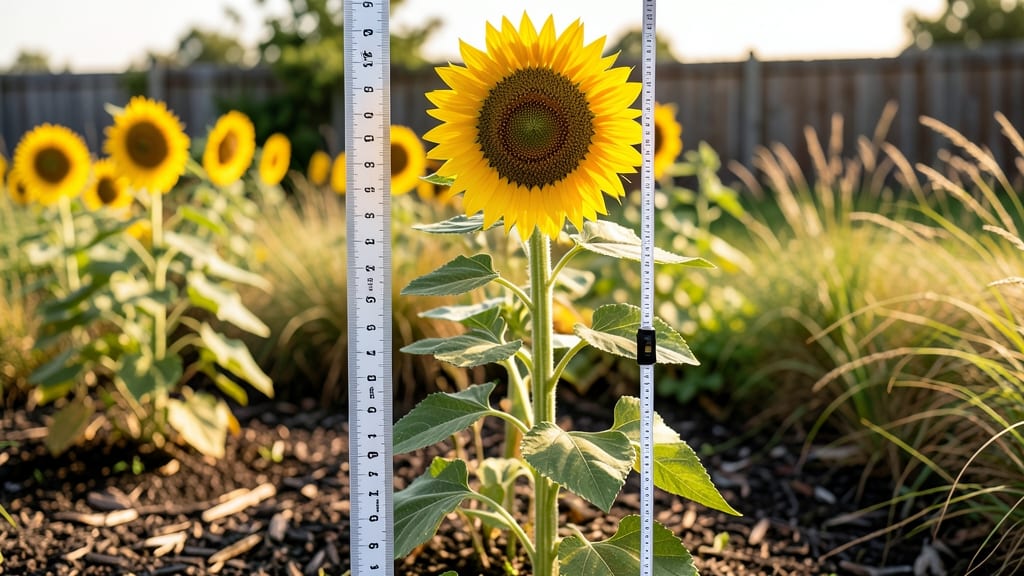
If you’ve ever wondered how tall do sunflower plants grow, you’re not alone. The truth is, these towering beauties can grow anywhere from a modest 1 foot to an astonishing 16 feet—depending on the variety and how you nurture them.
Picture this: a dwarf variety perfect for small gardens or containers, while a giant sunflower could outshine your neighbor's fence. But what factors decide which path your sunflower takes? It’s not just about genetics—soil, sunlight, and even spacing play a surprisingly big role in shaping their height.
Whether you're dreaming of a statement piece that draws every eye or a space-saving option for your patio, knowing the right variety and care tips can make all the difference. Let’s break down the heights you can expect and how to encourage—or limit—their growth.
From compact 1-foot wonders to 12-foot giants, we’ll explore the best sunflower types for every garden size and share pro tips to help you grow the perfect plant for your space. Ready to find out which sunflower will thrive in your backyard?


Sunflower height by variety: from dwarf to towering giants
Choosing the right sunflower variety is like selecting your garden's skyline—some varieties stay humble at 1-2 feet, perfect for windowsills, while others reach 12-15 feet, turning your backyard into a sunflower skyscraper.
The height difference isn't just about aesthetics; it impacts spacing needs, support requirements, and even pollinator access. Whether you're dreaming of a container garden or a dramatic backyard focal point, knowing your sunflower's potential height helps you plan with confidence.
Most gardeners assume all sunflowers grow tall, but the reality spans a 14-foot range—from tiny dwarf varieties that fit in pots to giant cultivars that need as much space as a small tree.
The variety you pick determines everything from watering frequency to whether you'll need to stake your plants. For example, a 3-foot 'Teddy Bear' sunflower thrives in a 5-gallon container, while a 12-foot 'Russian Mammoth' needs a 6-foot radius of open space to avoid flopping over.
🌻 Visual Height Guide: Imagine a basketball hoop (10 feet)—most standard sunflowers reach or exceed this height. A two-story house (12-15 feet) is the benchmark for giant varieties, while dwarf sunflowers stay shorter than a standard door (6-7 feet). This range means you can grow sunflowers in urban balconies or use them as living room dividers in large gardens.
Here’s the definitive height breakdown for sunflower varieties, organized by size category. This table helps you visualize which types fit your space and design goals:
Let’s dive into specific sunflower varieties that define these categories. The 'Teddy Bear' sunflower, for instance, tops out at just 2-3 feet, making it ideal for container gardening or hanging baskets.
Its compact size also means it bolts to flower in 50 days, perfect for short growing seasons. On the opposite end, the 'Russian Giant' can reach 12-16 feet, requiring deep, fertile soil and staking for support.
This variety is a statement piece that draws bees and birds from miles around.
For medium-height options, consider the 'Moulin Rouge' sunflower, which grows 5-6 feet tall and produces double-layered blooms in deep red. This variety strikes a balance—tall enough to add height to flower beds but manageable for most gardens.
Another favorite is the 'Autumn Beauty', which reaches 4-5 feet and boasts multi-colored petals that transition from yellow to rust as they mature. These mid-sized sunflowers are perfect for cut flower arrangements or pollinator-friendly borders.
If you're aiming for dramatic height, the 'Russian Mammoth' and 'Mammoth Russian' are legendary choices, often exceeding 14 feet. These giants need full sun and rich soil, but their massive seed heads (up to 16 inches wide) make them worth the effort.
For a slightly smaller giant, the 'American Giant' hits
What determines sunflower height? 5 Key factors you control
Sunflowers don’t just grow tall—they reach for the sky based on what you provide. While some varieties are genetically programmed to be giants, others stay compact. But here’s the secret: you control 50% of their height through simple gardening choices.
Let’s explore the top 5 factors that determine how towering—or manageable—your sunflowers become.
First, consider soil quality. Sunflowers thrive in well-draining, nutrient-rich soil, but poor soil can stunt growth by up to 40%.
Amending with compost or a balanced fertilizer early in the season gives them the boost they need to reach their full potential—or limits their height if that’s your goal.
Next, sunlight exposure is non-negotiable. Sunflowers need 6-8 hours of direct sun daily to grow tall and strong. Even an hour less can reduce height by 20-30%. If your garden gets partial shade, choose dwarf varieties or accept shorter stems.
Watering habits also play a surprising role. Consistent moisture during the growing season encourages rapid growth, while drought stress can limit height. However, overwatering can weaken stems, making them more prone to bending. Aim for deep watering 2-3 times per week during dry spells.
- 🌱 Variety Selection: Choose between dwarf (1-3 ft), semi-dwarf (3-6 ft), or giant (8-16 ft) varieties. 'Teddy Bear' stays under 3 ft, while 'Russian Giant' can hit 14 ft!
- 💧 Watering Depth: Deep watering encourages taller stems, but shallow watering limits growth. Stunt growth by 30% by reducing water slightly after flowering.
- 🌡️ Temperature: Cooler temps slow growth, while warmth (70-85°F) speeds it up. Plant in late spring for maximum height.
- 🌿 Spacing: Crowded plants compete for nutrients, reducing height by 25%. Give giants 2-3 ft apart; dwarfs can share 1 ft of space.
- ✂️ Pruning: Pinch back top growth early to encourage bushier, shorter plants. Remove side buds to direct energy upward for taller stems.
Don’t overlook spacing, either. When sunflowers are too close, they compete for nutrients, resulting in shorter, weaker stems. Give giant varieties 2-3 feet of space to reach their full height, while dwarf types can thrive in tight clusters. Overcrowding can reduce height by up to 25%.
Finally, temperature and pruning can tweak height dramatically. Cooler weather naturally slows growth, while warm spells accelerate it. For shorter sunflowers, prune the top growth early to encourage bushier, more compact plants. If you want height, let them grow freely and avoid excessive pruning.
By mastering these 5 key factors, you can grow sunflowers that fit your space perfectly—whether you want a backyard skyscraper or a patio-friendly charm. Experiment with different varieties and conditions to find your ideal height! 🌻