
Blooming
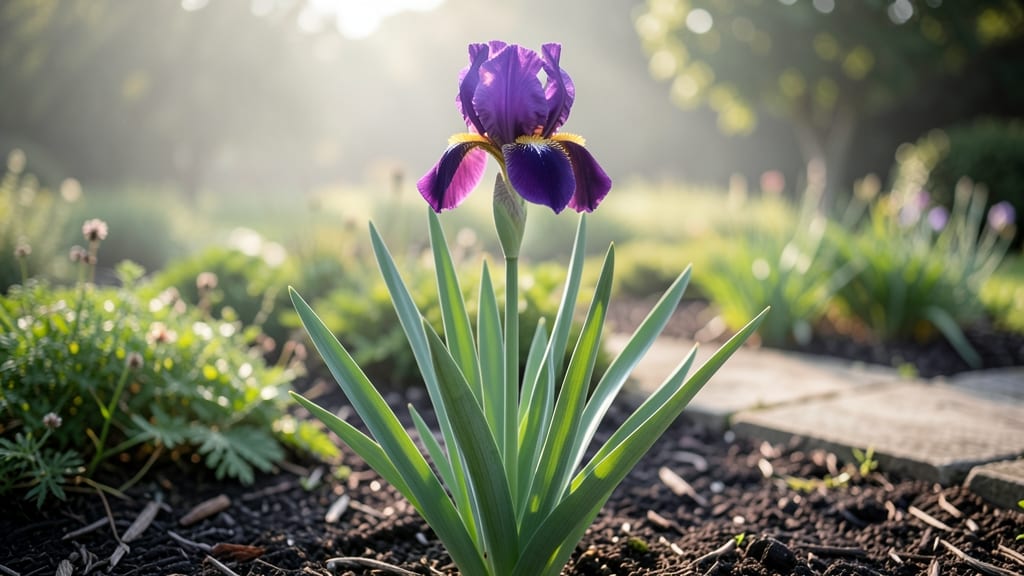
Timing the dutch iris flowering time can turn your spring garden into a breathtaking display—but only if you plant them at the right moment. These stunning flowers follow a predictable schedule, with most varieties bursting into color between March and June, depending on your USDA zone and variety.
If you’ve ever wondered why some Dutch irises bloom earlier than others, the answer lies in their precise planting window—September to October or March to April—and how climate affects their growth.
The key to reliable blooms isn’t just luck; it’s understanding how sunlight, soil, and even last year’s frost shape their timeline.
In this guide, I’ll break down the exact flowering months for popular varieties, share tricks to extend their bloom period, and help you plan your garden around their stunning April to May show.
Whether you’re a first-time planter or a seasoned gardener, these insights will ensure your Dutch irises steal the spotlight every spring.
Ready to transform your garden into a vibrant springtime masterpiece? Let’s dive into the science—and secrets—behind Dutch iris flowering time so you can enjoy their beauty for weeks longer than you thought possible.
When do Dutch iris flowers bloom: exact months by popular variety
Dutch iris flowers are the star performers of early spring gardens, offering bold colors and elegant blooms that brighten up landscapes. Unlike their bearded cousins, Dutch irises bloom once per year in spring, with timing that varies by variety and climate.
Knowing the exact blooming windows helps you plan companion plants and garden displays for maximum impact.
Most Dutch iris varieties bloom between March and June, with early bloomers appearing as soon as late February in warm climates (USDA zones 8–10). In colder regions (USDA zones 3–6), blooms typically start in April or May.
The key to predicting bloom times lies in understanding each cultivar’s schedule and adjusting for your local frost dates and microclimates.
Pro Tip: Plant Dutch iris rhizomes in fall (September–October) for earlier spring blooms the following year. This gives roots time to establish before winter, ensuring vibrant, healthy flowers on schedule.
| Variety | Bloom Time (USDA 6a) | Bloom Time (USDA 8a) | Color | Height (in) |
|---|---|---|---|---|
| 'Prof. Blaauw' | Mid-April to early May | Late March to April | Deep blue | 20-24 |
| 'Blue Flag' | Late April to mid-May | Early April | Royal blue | 18-22 |
| 'Queen of Night' | Late May to early June | Mid-April to May | Velvety purple-black | 22-26 |
| 'White Swan' | Early May to June | Late April | Pure white | 20-24 |
| 'Fire King' | Mid-April to May | Late March | Orange-red | 22-26 |
| 'John C. Wister' | Late April to May | Early April | Yellow | 18-22 |
| 'Blue Ribbon' | Early May to June | Late April | Blue | 20-24 |
| 'Pink Parrot' |
How to extend Dutch iris blooming season: pro tips for longer displaysWant your Dutch iris to bloom for weeks longer than usual? The secret lies in understanding how to manipulate their natural flowering time through simple but strategic gardening tweaks. Unlike bearded irises, Dutch irises are spring-only bloomers, but with the right approach, you can push their peak season earlier or later by 2-3 weeks—or even encourage a second flush of blooms in some cases. One of the biggest factors is soil temperature. Dutch iris rhizomes need a 60°F soil temperature to break dormancy and trigger blooming. If your spring arrives late, you can use black plastic mulch or a cloche to warm the soil faster. Conversely, if you’re in a hot climate and want to delay blooming, shade cloth can help keep the soil cooler and extend the flowering window. Here’s how to maximize your Dutch iris blooming season with my top strategies:
If your Dutch irises are late to bloom or producing fewer flowers, check for these common issues: overcrowded rhizomes (divide every 3 years), poor drainage (they hate soggy soil), or insufficient sunlight (they need 6+ hours of full sun). Even a slight adjustment—like moving them to a sunnier spot or dividing clumps—can revive their blooming vigor. For gardeners in USDA zones 3-5, aim to plant Dutch irises in late August to September for the earliest spring blooms. In warmer zones (6-10), a fall planting in October ensures they bloom just as winter fades. With these tricks, you’ll enjoy Dutch iris blooms for 4-6 weeks instead of the typical 3-week window. Pro tip: Plant a mix of early, mid, and late-season varieties—like 'Prof. Blaauw' (early) and 'Queen of Night' (late)—to create a continuous spring display that keeps your garden buzzing with color from March through June. |