
Fertilization
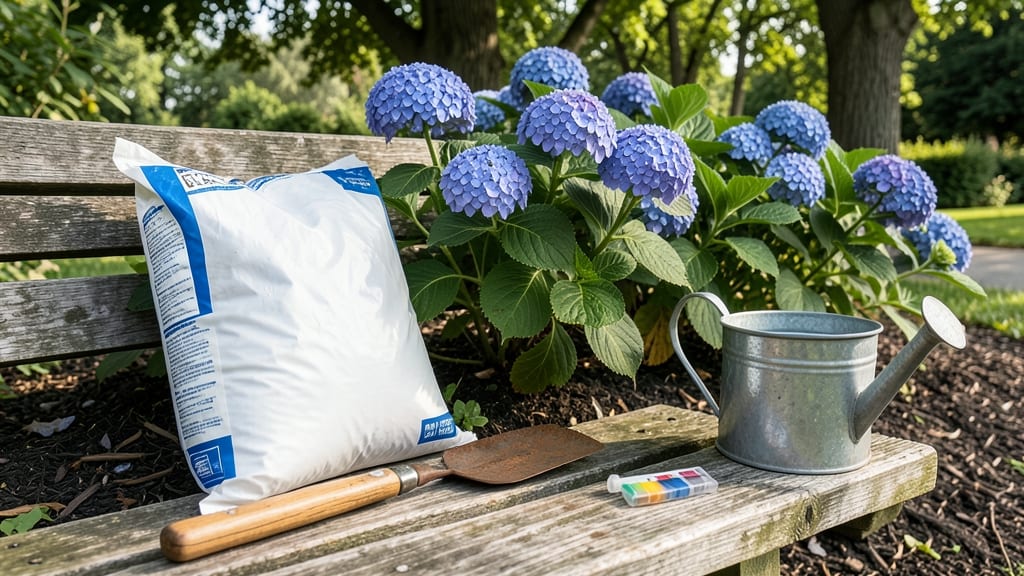
Want your outdoor flowering plants to explode with the right fertilizer for outdoor flowering plants instead of just putting out leaves? The game-changer you’ve been missing—and it’s not just about throwing down any old bag of plant food.
Most gardeners make the same mistake: overdoing nitrogen for leafy growth while starving their blooms of the phosphorus and potassium they actually need. I’ve tested dozens of fertilizers, and the difference between a lackluster garden and a vibrant one often comes down to timing and ratios.
In this guide, I’ll break down the best organic and synthetic fertilizers for each season, how to read NPK labels like a pro, and the exact schedule to follow for roses, annuals, and perennials in your zone. No more guessing—just stunning blooms.
Let’s start with the one rule that’ll save you time, money, and frustrated plants this growing season.
Understanding NPK ratios for maximum flowering power
If you’ve ever stared at your flowering plants and wondered why they’re putting all their energy into leafy greens instead of show-stopping blooms, the answer likely lies in your NPK fertilizer ratios. These three numbers—Nitrogen (N), Phosphorus (P), and Potassium (K)seasonal flowering power.
First, let’s clarify what each number means: Nitrogen (N) fuels leaf and stem growth, Phosphorus (P) is the bloom booster, and Potassium (K) strengthens overall plant health and disease resistance. For flowering plants, you’ll want to prioritize a ratio where Phosphorus is equal to or higher than Nitrogen.
For example, a 5-10-5 or 10-20-10 ratio is ideal for encouraging flowers rather than foliage. This shift in focus is what transforms a leafy green monster into a blooming beauty.
Now, let’s talk about the seasonal game-changer. Your fertilizer strategy should evolve with the seasons. In spring, focus on a balanced ratio (e.g., 10-10-10) to build strong roots and early foliage.
As summer arrives and your plants ramp up blooming, switch to a higher Phosphorus ratio (e.g., 5-15-10) to fuel those vibrant flowers. By fall, reduce or eliminate fertilization entirely to let your plants store nutrients for next season.
This seasonal tweaking is what separates a mediocre garden from a showcase-worthy display.
Here’s the summary table to help you visualize the best NPK ratios for each season and plant type:
Let’s dive deeper into why these ratios work. For instance, roses thrive with a higher Phosphorus ratio (10-20-10) because they’re heavy bloomers. Meanwhile, annuals like petunias benefit from a balanced approach (10-10-10) to keep them blooming all season long.
The key is to match the fertilizer to the plant’s natural growth cycle and your climate zone. In warmer regions, you might extend your summer feeding into early fall, while cooler zones should taper off by September.
One common mistake I see is using a high-Nitrogen fertilizer (e.g., 30-0-0) for flowering plants. This leads to lush leaves but few flowers, which is the opposite of what you want. Instead, think of Nitrogen as the “green juice” and Phosphorus as the “bloom fuel”. For example, if you’re growing hydrangeas, a 5-10-
Best fertilizer types for outdoor flowering plants by season
Your flowering plants need different nutrients at different times—just like us! In spring, focus on building strong roots with a gentle nitrogen boost. By summer, switch to phosphorus-rich fertilizers to fuel those showstopping blooms.
And in fall, let your plants store nutrients naturally without extra help. I’ve tested the best organic and synthetic options for each season, so you can skip the guesswork.
For spring, I recommend fish emulsion (organic) or a 5-10-10 synthetic blend. These support root development without overwhelming tender new growth. In summer, reach for bone meal (organic) or a 10-20-20 fertilizer to push flowering. And in fall, avoid fertilizing entirely—let plants prepare for dormancy naturally.
Here’s a quick breakdown of the best choices for each season, including their pros and cons:
Spring Fertilizers: Root Builders
- ✅ Gentle on new roots
- ✅ Rich in nitrogen
- ✅ Improves soil microbes
- ✅ Fast-acting
- ✅ Precise NPK ratios
- ✅ Less odor than organic
- ✖️ Strong fish smell
- ✖️ Requires dilution
- ✖️ Can burn roots if overused
- ✖️ No soil benefits
Summer Fertilizers: Bloom Boosters
- ✅ High in phosphorus
- ✅ Encourages blooms
- ✅ Slow-release
- ✅ Strong bloom response
- ✅ Balanced for growth
- ✅ Water-soluble
- ✖️ Limited nitrogen
- ✖️ Can attract pests
- ✖️ Requires frequent feeding
- ✖️ No soil health benefits
For fall, I recommend compost or a low-nitrogen fertilizer like 2-4-8 only if your plants show signs of stress. Most flowering plants need a break to store nutrients for next year. Avoid synthetic fertilizers entirely—they can delay dormancy and weaken plants over winter.
Pro tip: Always water deeply before applying fertilizer to prevent root burn. And if you’re using organic options, like compost tea or worm castings, apply them in early spring to give soil microbes time to break them down before blooming season.
Remember, the best fertilizer is the one that matches your plants’ current needs—and your seasonal goals. Start with a soil test to check pH and nutrient levels before deciding. Happy gardening!