
Blooming
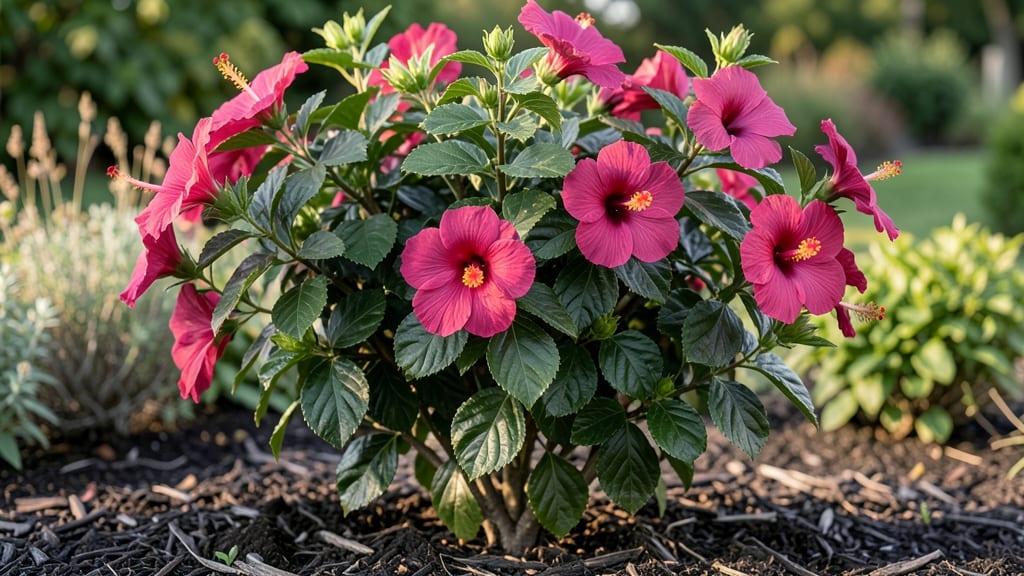
If you’ve ever watched your 🌸 hibiscus plant burst into color during the flowering season only to fade just as quickly, you’re not alone. The key to year-round blooms lies in understanding its natural flowering season—and how to nudge it beyond its usual limits.
Most hibiscus varieties thrive in summer’s warmth, but with the right care, you can coax vibrant blooms well into fall or even winter. Whether you’re growing tropical hibiscus in Zone 6a or hardy types, knowing when and why they bloom helps you extend their show-stopping displays.
I’ll break down the science behind hibiscus flowering, from peak bloom months to the small tweaks that make a big difference. Think pruning at the right time, feeding for longevity, and even light tricks to keep your plant happy.
Ready to turn your garden into a nonstop hibiscus parade? Let’s dive into the secrets that’ll keep your 🌸 blooms coming all season long.
Natural hibiscus flowering season by month: when and why they bloom
Hibiscus plants are famous for their stunning, long-lasting blooms, but their flowering seasons vary dramatically depending on whether you're growing tropical hibiscus (like Hibiscus rosa-sinensis) or hardy hibiscus (like Hibiscus moscheutos).
Understanding these differences helps you anticipate—and even extend—your hibiscus's bloom time. Let's break down the month-by-month flowering patterns and the environmental triggers that make them happen.
The key to hibiscus blooms lies in three factors: sunlight exposure, temperature ranges, and humidity levels. Tropical hibiscus thrive in warm climates and bloom continuously when conditions are ideal, while hardy hibiscus wait for cooler seasons to show off their dramatic flowers.
Both types need full sun (6+ hours daily), but their timing couldn't be more different.
Here's a quick look at how their flowering seasons align with the calendar—and what triggers those bursts of color:
Tropical hibiscus like Hibiscus rosa-sinensis bloom most prolifically from spring through fall, with their peak flowering typically occurring in May, June, and July. These plants are sensitive to cold temperatures below 50°F (10°C), which is why they're often grown as container plants in cooler regions.
In tropical climates, they can bloom year-round if given consistent care.
Hardy hibiscus, such as Hibiscus moscheutos (often called "swamp hibiscus"), have a completely different schedule. They wait until late summer and fall to put on their spectacular show, typically from July through September.
These varieties actually require cooler temperatures to trigger blooming, making them perfect for USDA zones 5-9. Their flowers often last longer in cooler weather, too!
Sunlight plays a crucial role in both types. Tropical hibiscus need 6-8 hours of direct sun daily, while hardy hibiscus can tolerate partial shade in hot afternoons. The difference? Tropical varieties burn easily in intense afternoon sun, while hardy hib
How to extend hibiscus blooms beyond their natural season
Hibiscus plants naturally bloom in spring and summer, but with the right care, you can coax year-round flowers from your tropical or hardy varieties. The secret lies in understanding their growth triggers and adjusting your gardening routine to match their needs.
Whether you're dealing with tropical hibiscus that loves heat or hardy hibiscus that can handle cooler temps, these techniques will keep your plant flowering well beyond its usual season.
First, let's address the biggest misconception: hibiscus plants don't bloom continuously without intervention. They follow a natural cycle where they produce flowers in response to specific conditions. By manipulating light, nutrients, and pruning, you can break this cycle and encourage new blooms at any time of year.
The key is to mimic their natural triggers—like long daylight hours and warm temperatures—even when they're not occurring naturally.
- 1 Prune Strategically: Cut back spent blooms and overgrown branches in early spring to stimulate new growth. For tropical hibiscus, prune lightly in late winter to encourage early blooming.
- 2 Fertilize on Schedule: Use a balanced 10-10-10 fertilizer every 4-6 weeks during growing season (spring to early fall). Switch to a low-phosphorus fertilizer in late summer to promote more blooms.
- 3 Maximize Light Exposure: Move potted hibiscus to the sunniest spot (south-facing window or outdoor patio) for 6+ hours of sunlight daily. Use grow lights in winter if natural light is limited.
- 4 Adjust Watering: Keep soil consistently moist but not soggy. Reduce watering in winter months to encourage dormancy in hardy varieties, then ramp up in spring to trigger blooming.
- 5 Protect from Cold: For hardy hibiscus, mulch the base with 3-4 inches of mulch in fall to insulate roots. Use frost cloth in late fall to protect from light frosts (down to 20°F).
For tropical hibiscus, which are more sensitive to cold, focus on winter care to keep them blooming. Move potted plants indoors near a sunny window or under grow lights when temperatures drop below 50°F.
Reduce watering slightly in winter but keep the soil lightly moist—never let it dry out completely. In early spring, increase watering and fertilizing to signal the plant it's time to bloom again.
Hardy hibiscus varieties, like Hibiscus moscheutos, can handle colder temperatures and may even bloom in late summer and fall if given the right conditions. After their first bloom cycle, give them a light pruning in early winter to remove dead or damaged branches.
This winter pruning helps the plant focus energy on producing new blooms in spring rather than maintaining old growth.
One often-overlooked trick is light manipulation. Hibiscus plants bloom in response to long daylight hours, so if you want blooms in winter, supplement natural light with 12-14 hours of artificial light daily.
Use full-spectrum grow lights placed 6-12 inches above the plant, and keep them on a timer to mimic natural daylight cycles. This method works especially well for container-grown hibiscus in indoor settings.
Finally, don't forget that seasonal checklists are your best friend for maintaining year-round blooms. Keep a gardening journal to track your hibiscus's response to different care techniques. Note when you prune, fertilize, and water, as well as when new buds appear.
Over time, you'll learn the exact care schedule that works best for your specific hibiscus variety and climate. With patience and consistency, you'll enjoy vibrant hibiscus blooms well beyond their natural season! 🌸