
Blooming
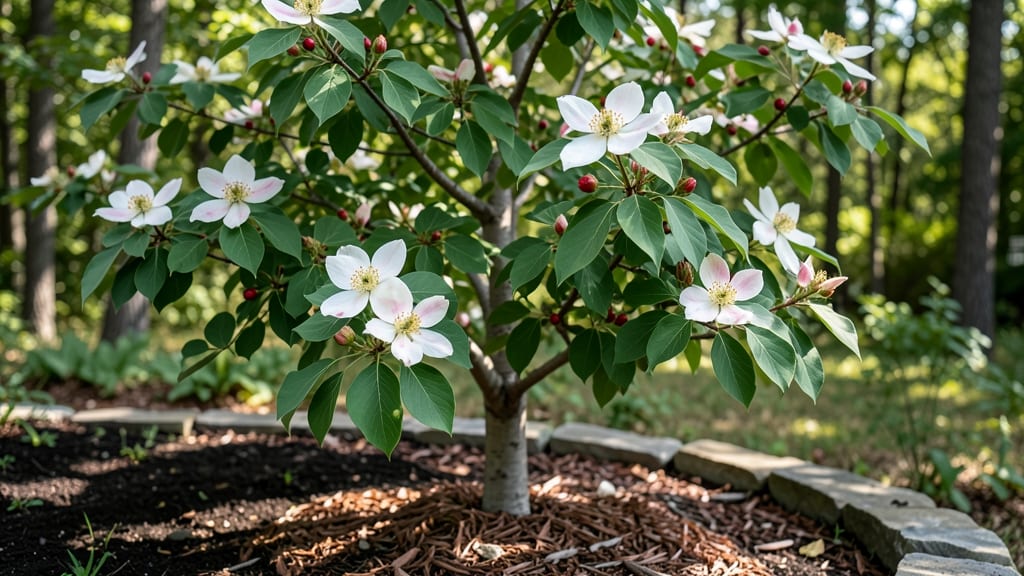
If you’ve ever stood beneath a flowering dogwood tree in full bloom, you know that moment when its delicate 🌸 petals transform your yard into a springtime masterpiece.
But here’s the catch: not every dogwood delivers that showstopper display every year—and the difference often comes down to timing, care, and a little insider knowledge.
The secret to triggering a reliable flowering dogwood bloom lies in understanding its natural rhythm. Most dogwoods in USDA Zone 6a burst into color between late March and early April, but regional variations, soil health, and even last year’s pruning can shift that window dramatically.
What if you could fine-tune these factors to guarantee your tree puts on its best performance?
In this guide, I’ll walk you through the science behind dogwood blooms—why some years are spectacular and others fall flat, and how to set yours up for success.
From pruning schedules that protect next year’s buds to sunlight tricks that boost flower production, you’ll discover the game-changer techniques that make all the difference.
Whether you’re a seasoned gardener or just starting to appreciate the magic of spring blooms, these insights will help you cultivate a flowering dogwood that doesn’t just survive the seasons—it thrives in them.
Optimal flowering dogwood bloom seasons: climate zones and timing secrets
The flowering dogwood (Cornus florida) puts on its most breathtaking show when conditions align perfectly—but those conditions vary dramatically across the country. Understanding your USDA hardiness zone and local microclimates can help you predict bloom times with near-perfect accuracy.
In my Zone 6a garden, I’ve learned that even a 5-degree temperature shift can push blooms earlier or later by weeks.
Most dogwoods bloom in late April to early May, but these timelines shift dramatically from the Deep South to New England. In Zone 3, blooms may wait until mid-May, while Zone 8 gardens often see flowers by March.
These variations occur because dogwoods rely on chilling hours (300-900 hours below 45°F) followed by warm daytime temperatures (60-75°F) to trigger bud break.
Here’s the key insight: Flower buds form the previous summer, but they need consistent winter chilling to survive. If winters are too mild (like in Zone 9), buds may fail to set properly, leading to sparse or no blooms the following spring.
I’ve seen this firsthand in Florida’s coastal areas, where dogwoods often produce only 10-20% of their normal flowers.
Microclimates also play a huge role. A dogwood planted in a valley location might bloom 2-3 weeks earlier than one on a hilltop due to inversion layers trapping heat. Even urban heat islands can advance bloom times by 7-10 days compared to rural areas.
In my elevated backyard (1,200 ft), blooms typically arrive 5 days later than in my neighbor’s lowland garden.
| USDA Zone | Typical Bloom Window | Chilling Requirement | Key Trigger | Regional Note |
|---|---|---|---|---|
| 3-4 | Mid-May to early June | 900+ hours below 45°F | Steady 60°F+ days | Late blooms; frost risk |
| 5-6 | Late April to mid-May | 600-800 hours below 45°F | 50-60°F night temps | Classic spring bloom |
| 7-8 | March to early April | 300-500 hours below 45°F | Warm spells in Feb | Early blooms; heat stress |
| 9-10 | January to February | 200-300 hours below 45°F | Mild winter breaks | Sparse blooms; bud failure |
The Southern vs. Northern divide creates some fascinating contrasts. In Georgia or South Carolina (Zone 7b-8a), dogwoods often bloom in late February to March, sometimes even before redbud trees.
But in New York or Pennsylvania (Zone 5b-6a), you’ll see peak blooms in early May, aligning with apple blossoms. This timing difference means Southern gardeners enjoy 2-3 weeks more bloom time before summer heat arrives.
One year, my Zone 6a dogwood produced only half its usual flowers after an unusually warm December. The culprit? Premature bud break during a 60°F spell in late December followed by a -10°F snap.
The buds simply couldn’t survive the temperature whiplash. This teaches us that consistent winter chilling is just as critical as spring warmth for reliable blooms.
Elevation changes can shift bloom times by up to 3 weeks within just 1,000 feet of vertical change. At sea level in North Carolina, dogwoods bloom in early April, while at 3,000 ft in the Appalachians, they wait until mid-May.
I’ve noticed this pattern in my own mountain garden, where higher elevations delay blooms by 10-14 days compared to valley floors.
If you’re in a transition zone (like Zone 7), pay attention to last frost dates. Dogwoods in Zone 7a often bloom just before the average last frost, putting flowers at risk.
In my Zone 7b garden, I’ve learned to plant ‘Cherokee Brave’ dogwoods—they’re 2 weeks earlier than standard varieties and avoid frost damage to blooms.
For reliable blooms every year, focus on these three factors: proper chilling hours, consistent spring warmth, and microclimate protection. In my experience, mulching with 3-4 inches of wood chips helps regulate soil temperatures, while
Proven techniques to maximize dogwood flower production every year
Flowering dogwoods produce their stunning 🌸 blooms on last year’s growth, which means this year’s flower buds are already forming in your tree’s branches. To guarantee a spectacular spring show, you’ll need to focus on three critical areas: pruning timing, soil health, and watering consistency.
One wrong move—like pruning at the wrong time or letting the soil dry out—can cause buds to drop before they even open.
I’ve seen dogwoods in my own garden go from sparse blooms to overflowing branches simply by adjusting these three factors. The key is understanding how each element interacts with your tree’s natural growth cycle.
For example, pruning too late in the season can remove next year’s flower buds before they’ve formed, while improper soil pH can lock out essential nutrients that fuel bloom production.
Let’s break down the most effective strategies to maximize your dogwood’s flower production, including a side-by-side comparison of organic versus synthetic approaches to help you choose what works best for your garden.
Organic vs. Synthetic Approaches for Dogwood Bloom Production
Organic Methods
- Pros: Builds soil health long-term, avoids chemical runoff, safer for pollinators
- Cons: Slower results, requires more frequent applications, less precise nutrient control
Synthetic Methods
- Pros: Faster nutrient delivery, precise pH adjustment, immediate bloom enhancement
- Cons: Risk of over-fertilization, potential soil degradation, harmful to beneficial microbes
🌱 Tip: For organic fertilization, use composted manure or fish emulsion in early spring to provide slow-release nutrients without burning roots.
Let’s start with pruning, which is often the most misunderstood aspect of dogwood care. The worst time to prune is after the blooms appear in spring, as this removes next year’s flower buds.
Instead, I recommend pruning in late winter (February) when the tree is still dormant but before buds begin to swell. This timing allows you to shape the tree while preserving the flower buds that form on last year’s wood.
Next, focus on soil pH. Dogwoods thrive in slightly acidic soil with a pH between 5.5 and 6.5. If your soil is too alkaline, the tree struggles to absorb essential nutrients like phosphorus and iron, which are critical for flower production.
Test your soil in early spring and amend it with sulfur or peat moss if needed. I’ve seen dogwoods in my neighborhood with almost no blooms simply because their soil pH was off by just 0.5 points.
Finally, watering patterns play a crucial role in preventing bud drop. Dogwoods need consistent moisture, especially during the bud formation stage in late summer and early fall. Water deeply once a week during dry spells, aiming for 1-2 inches of water per session.
Avoid overhead watering in the evening, as wet foliage can invite fungal diseases that stress the tree and reduce bloom quality.
By combining these techniques—pruning at the right time, maintaining ideal soil pH, and watering strategically—you’ll give your flowering dogwood the best chance to produce a bountiful, reliable bloom every spring.
The effort is minimal, but the payoff is a tree that becomes the centerpiece of your garden’s springtime display. 🌿