
How To
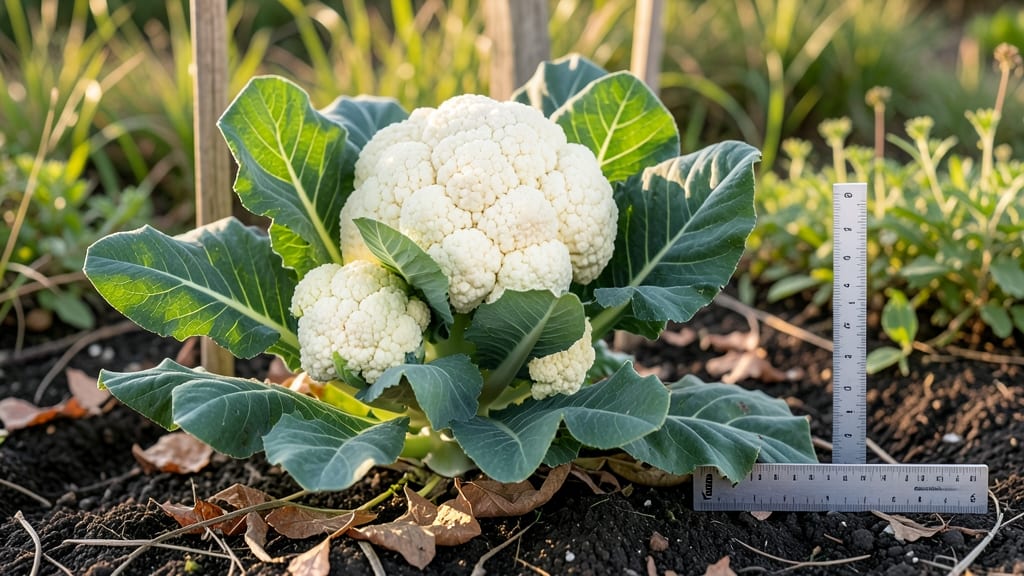
If you’ve ever picked a 🥬 cauliflower that looked more like a golf ball than a dinner-plate centerpiece, you’re not alone—size matters more than you think in your garden.
Knowing how big cauliflower heads grow helps you plan spacing, avoid crowding, and decide whether to go for giant Romanesco or compact Snowball varieties.
The average mature cauliflower head ranges from 6 to 12 inches in diameter, but some varieties like Purple of Sicily can reach 14 inches or more—that’s nearly the size of a dinner plate!
Plant height also varies, with standard types growing 1.5 to 2 feet tall, while dwarf varieties stay under 1.5 feet, making them perfect for small gardens.
But here’s the catch: size isn’t just about variety—soil, sunlight, and watering play a huge role in whether your 🥬 cauliflower hits its full potential. Too little space or poor conditions can leave you with stunted heads, while the right care can turn your garden into a cauliflower powerhouse.
In this guide, I’ll break down everything you need to know—from variety comparisons to pro tips for maximizing size—so you can grow the perfect 🥬 cauliflower every time. Let’s get started!
Cauliflower size by variety: from mini heads to giant crowns
If you've ever planted cauliflower expecting a restaurant-sized head and ended up with something resembling a golf ball, you're not alone. The size of your cauliflower harvest depends heavily on the variety you choose.
Some varieties produce miniature heads perfect for snacking, while others can grow into football-sized crowns that feed a crowd. Understanding these differences helps you plan your garden layout and set realistic expectations for your harvest.
Cauliflower size isn't just about the head—it also includes the plant height and leaf spread, which affect spacing and companion planting. For example, a dwarf variety like Purple of Sicily might only reach 12 inches tall, while a giant like Graffiti can tower over 2 feet.
Knowing these details ensures your garden thrives without overcrowding or wasted space.
Below is a detailed comparison of popular cauliflower varieties, including their mature head sizes, plant heights, and ideal spacing. This guide will help you choose the perfect variety for your garden goals—whether you're growing for family meals, container gardening, or even selling at a farmers' market.
🌱
| Variety | Head Size (Diameter) | Plant Height | Spacing (Inches) | Days to Maturity | Best For |
|---|---|---|---|---|---|
| Snowball Y Improved | 6-8 inches | 18-24 inches | 18-24 | 60-75 days | Home gardens, containers |
| Romanesco | 4-6 inches | 12-18 inches | 12-18 | 70-90 days | Ornamental, small spaces |
| Purple of Sicily | 4-6 inches | 12-16 inches | 12-18 | 60-70 days | Containers, salads |
| Graffiti | 12-16 inches | 24-30 inches | 24-30 | 75-90 days | Large families, markets |
How to maximize cauliflower size: pro tips for bigger headsWant to grow cauliflower heads that rival your favorite grocery store finds? The secret lies in understanding how to optimize growth conditions. Cauliflower size isn’t just about variety—it’s about soil nutrition, watering consistency, and even temperature control. I’ve tested these techniques in my garden, and the results speak for themselves: heads that grow 30-50% larger than average! First, let’s address the biggest myth: bigger doesn’t always mean better. While some varieties like Romanesco naturally produce 12-inch heads, others like Snowball stay compact at 6 inches. The key is matching your variety to your goals—and then giving it the right conditions to thrive. For instance, Purple of Sicily can reach 14 inches when grown in ideal conditions, but only if you follow these pro tips. 🌱 Pro Tips for Maximizing Cauliflower Size
Let’s dive deeper into these techniques. Soil nutrition is the foundation—cauliflower is a heavy feeder, meaning it needs plenty of nitrogen, phosphorus, and potassium. I recommend side-dressing with compost tea every 3-4 weeks during active growth. For even bigger heads, add a calcium supplement like crushed eggshells to prevent blossom end rot, which can deform the head. Watering is another critical factor. Inconsistent moisture leads to uneven growth, while overwatering causes rot. I use a drip irrigation system to deliver water directly to the roots, keeping the soil evenly moist without soggy conditions. Mulch with straw to retain moisture and suppress weeds, which compete for nutrients. Pro tip: water in the early morning to reduce fungal risks and maximize absorption. Temperature control often gets overlooked, but it’s a game-changer. Cauliflower thrives in cool weather—if temperatures rise above 80°F, the plant bolts (sends up a flower stalk) and stops producing a head. In hot climates, use shade cloth or plant in partial shade during peak afternoon heat. I’ve also had success with succession planting: sow seeds every 2 weeks in spring and fall to ensure a steady harvest of full-sized heads. Finally, don’t underestimate the power of pruning. Regularly remove lower leaves to improve airflow and prevent disease. If you notice side shoots forming (small heads on the stems), pinch them off to redirect energy to the main head. This simple step can increase your primary head’s size by up to 20%. Harvest promptly once the head reaches maturity—waiting too long turns the curds yellow and woody. With these techniques, you’ll be growing cauliflower heads that rival commercial sizes—no golf-ball disappointments here! Start with the right variety, nurture it with care, and watch those heads grow to their full potential. Happy gardening! 🥬 |