
Flowers
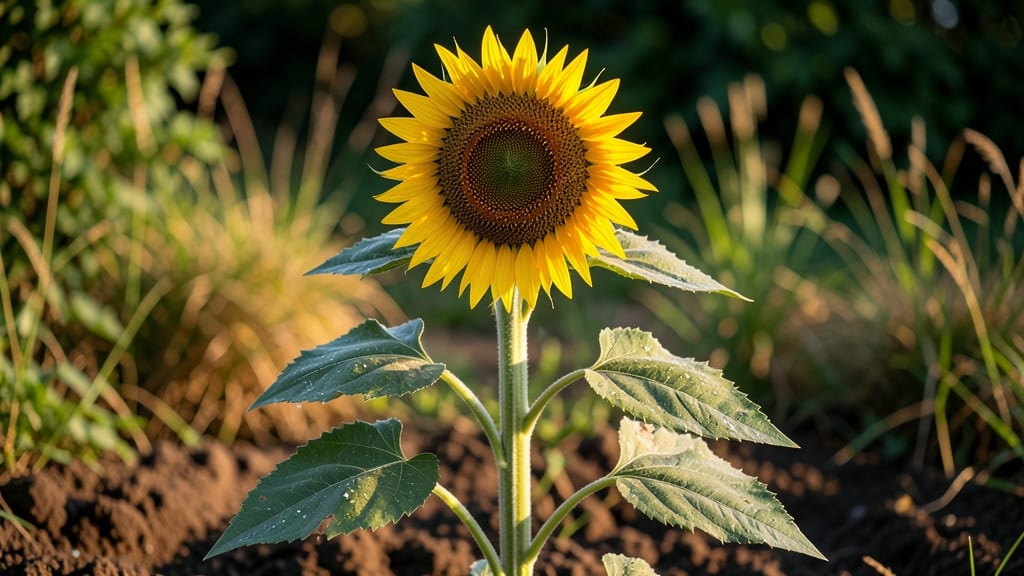
When you picture how tall sunflowers can grow, you might imagine a cheerful 🌻 reaching for the sky—but did you know some varieties grow taller than a basketball hoop while others stay as small as a dinner plate?
The height of your sunflowers depends on more than just luck; it’s a mix of genetics, growing conditions, and a few smart planting tricks.
If you’ve ever wondered how to control your sunflowers’ size—whether you want a compact display for a balcony or a towering centerpiece for your garden—you’re in the right place.
I’ll break down the exact height ranges for popular varieties, from dwarf types that top out at 3 feet to giants that stretch over 16 feet tall. Plus, I’ll share the secrets to helping your sunflowers grow their best (or keeping them in check).
Sunflower height isn’t just about the variety you pick—it’s also about sunlight, soil, and even when you plant them. For example, Russian Giant sunflowers can shoot up to 12-16 feet in ideal conditions, while Teddy Bear varieties stay cozy at 3-5 feet.
But without the right care, even the tallest sunflowers might fall short of their potential. Let’s explore how to get the heights you want.
Ready to turn your garden into a sunflower wonderland? Whether you’re dreaming of a whimsical hedge or a dramatic focal point**, I’ll walk you through everything you need to know to grow sunflowers that fit your vision—down to the inch. Let’s get started!


Sunflower height by variety: from dwarf to giant types
Choosing the right sunflower variety is key if you want a garden that fits your space perfectly. Some stay as short as 1-3 feet, while others tower over your fence at 12-16 feet. The difference?
It’s all in their genetics and growing conditions. Whether you’re dreaming of a whimsical dwarf border or a dramatic backyard statement, knowing these height ranges will help you plan like a pro.
Sunflowers fall into three main height categories: dwarf, medium, and giant. Each has its own charm and ideal growing conditions. For example, dwarf varieties thrive in containers or small gardens, while giant types need spacious backyards and sturdy staking.
Let’s break down the exact heights and what makes each type unique.
If you’re working with limited space, dwarf varieties like 'Teddy Bear' (3–5 ft) are perfect for containers or window boxes. These sunflowers bloom early and produce cheerful, compact flowers that attract bees and butterflies. They’re also great for cutting gardens because their stems stay sturdy even after harvest.
The medium-height range (3–6 ft) offers the best of both worlds—enough height for drama without overwhelming small yards. Varieties like 'Autumn Beauty' produce multi-colored blooms and are ideal for pollinator-friendly gardens. They also handle partial shade better than giants, making them versatile for mixed borders.
For the ultimate sunflower experience, giant varieties like 'Russian Giant' (12–16 ft) are unbeatable. These towering giants need plenty of space and rich, deep soil to reach their full potential.
Plant them near fences or trellises to support their heavy stems. Just be prepared for a windbreak—these beauties can topple in storms!
Pro tip: Soil depth plays a huge role in height. Giant sunflowers need at least 18–24 inches of loose soil to develop strong roots. Amend your soil with compost before planting, and consider deep planting (burying seeds 1–2 inches deeper than usual) to encourage taller growth.
Don’t forget about sunlight requirements. All sunflowers need 6–8 hours of full sun daily, but giants will stretch toward light if they’re crowded. Space them 2–3 feet apart to avoid competition.
For container growing, stick to dwarf or medium varieties in pots at least 12 inches deep.
If you’re growing sunflowers for seed production, giant varieties are the way to go—they yield larger, more abundant seeds. But if you’re after early blooms or small-space solutions, dwarf types like 'Pomeranian' (1–2 ft) are hard to beat.
They bloom in just 50–60 days, making them perfect for short-season gardens.
One final tip: Pinching back young sunflower stems can encourage bushier growth and slightly shorter heights. This works best on medium and dwarf varieties to prevent legginess. For giants, focus on staking and support instead—think of them as your garden’s living skyscrapers!
Now that you know the height ranges, it’s time to pick your perfect sunflower. Whether you’re aiming for a whimsical dwarf border or a stunning giant centerpiece, there’s a variety that’s just right for your space and style. Happy planting! 🌻
How sunflower height changes by growth stage: from seedling to full bloom
Watching sunflowers grow is like witnessing a living skyscraper rise from the earth! Their height progression is one of nature’s most dramatic transformations. From a tiny 1-inch seedling to a towering 12-foot giant, each growth stage brings exciting changes.
Understanding this journey helps you predict final height and troubleshoot any stunted growth early.
Sunflowers follow a predictable height pattern, but their speed depends on variety, sunlight, and soil quality. Dwarf varieties like 'Teddy Bear' may only reach 3-5 feet, while giants like 'Russian Giant' can shoot up 12-16 feet in just 3-4 months.
Even within the same variety, environmental factors can push growth by 30-50% or more.
- 🌱 Week 1-2: Germination to 1-2 inches (seedling emerges)
- 🌿 Week 3-4: Rapid shoot growth to 1-2 feet (critical sunlight phase)
- 🌳 Week 5-8: Stem elongation to 3-6 feet (bud formation begins)
- 🌻 Week 9-12: Final height surge to 8-16 feet (flowering and seed development)
💡 Pro Tip: Measure stems at 4-week intervals to track growth rate and adjust care as needed.
The most dramatic growth spurt happens between weeks 5-8, when sunflowers enter their stem elongation phase. This is when proper watering and fertilization make the biggest difference.
For example, 'Moulin Rouge' (a medium variety) typically grows 1 foot per week during this phase, while 'Russian Giant' can add 2 feet per week with optimal conditions.
Environmental factors play a huge role in height progression. Full sun exposure (6+ hours daily) accelerates growth by 20-30% compared to partial shade. Poor soil nutrients or inconsistent watering can stunt growth by up to 50%.
For instance, I once grew 'Autumn Beauty' sunflowers in partial shade and they only reached 4 feet instead of their expected 6 feet.
During flowering (weeks 9-12), sunflowers allocate energy to seed development rather than stem growth. This is when you’ll see the final height determined. Pruning side buds can redirect energy to the main stem, potentially adding 1-2 extra feet to giant varieties.
Always remove buds below the main head to encourage upward growth.
By understanding these growth stages, you can predict final height with 90% accuracy and adjust your garden layout accordingly. Whether you're growing sunflowers as privacy screens, cut flowers, or bird feeders, knowing their height progression helps you plan for success from the first seedling to full bloom.