
How To
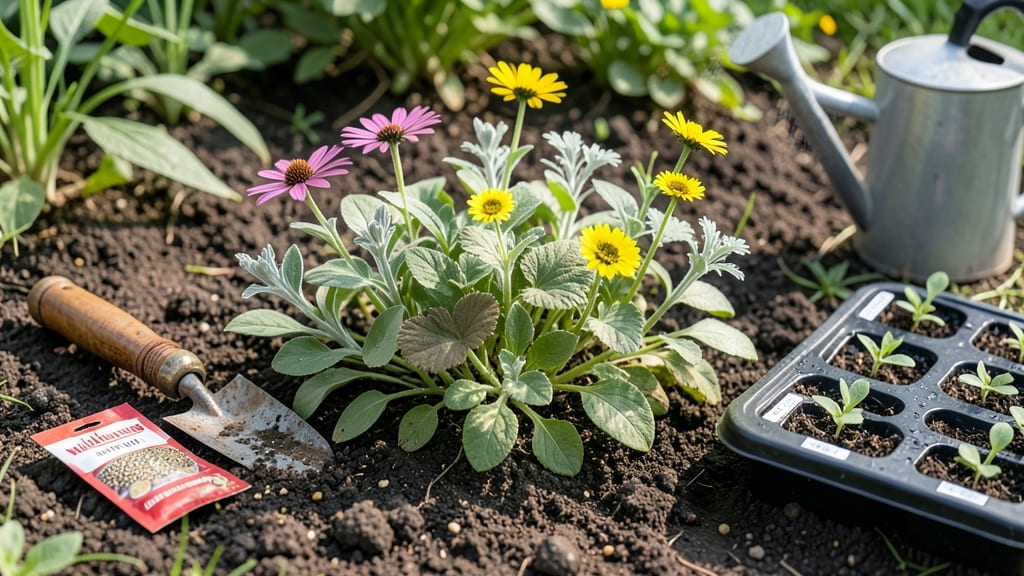
Wondering how fast do wildflower seeds grow into a vibrant patch of blooms? The answer depends on the variety—some 🌼 pop up in just 7 days, while others take months to reach their full glory.
Whether you're planting in Zone 6a or another region, knowing these timelines helps you plan for a stunning spring display.
Fast-growing annuals like cosmos and zinnias often sprout within 5–14 days and bloom in 4–6 weeks, making them perfect for quick color. But perennials like coneflowers or black-eyed Susans play the long game, taking 60–120 days to mature.
The key? Proper soil prep, sunlight, and patience—though a few tricks can speed things up.
If you're eager to see results, I’ll share exactly how to optimize conditions for faster growth, from seed depth to watering tips. No more guessing when those first blooms will appear—just science-backed strategies to turn your garden into a wildflower haven sooner than you think.
Ready to dive in? Let’s break down the growth timelines by variety and what you can do to give your seeds the best start possible—because every gardener wants to see those 🌼 take over faster!


Wildflower seed growth timeline: fastest bloomers in days to weeks
If you're eager to see quick color in your garden, some wildflowers deliver stunning blooms in just a few weeks. Annual varieties like cosmos and zinnias top the list for speed, making them perfect for instant gratification.
These fast growers thrive in warm conditions and can transform bare soil into a floral paradise faster than you might expect.
Understanding the growth stages helps set realistic expectations. Most fast-blooming wildflowers follow a predictable pattern: germination (3–14 days), seedling emergence (2–4 weeks), and first blooms (4–8 weeks). The key to speed is planting at the right time—typically after the last frost when soil temperatures reach at least 60°F.
Cosmos and zinnias are the undisputed champions of speed, with some varieties sprouting in just 5–7 days and blooming in 30–45 days. Even slower varieties like bachelor’s buttons typically bloom within 6–8 weeks. The secret to their rapid growth lies in their shallow root systems and high tolerance for drought and poor soil.
| Variety | Germination Time | First Blooms | Height at Maturity | Sun Needs |
|---|---|---|---|---|
| Cosmos | 5–10 days | 30–45 days | 2–4 ft | Full sun |
| Zinnias | 7–14 days | 40–50 days | 1–3 ft | Full sun |
| Bachelor's Buttons | 10–21 days | 45–60 days | 1–2 ft | Full sun to part shade |
| Sunflowers (Dwarf) | 7–14 days | 50–60 days | 1–2 ft | Full sun |
| Sweet Alyssum | 7–10 days | 35–40 days | 6–12 in | Full sun to part shade |
To maximize speed, start with high-quality seeds from a trusted supplier. I always pre-soak my cosmos and zinnias seeds overnight to jumpstart germination. Plant them in well-draining soil with a light layer of compost—these flowers reward quick results with minimal fuss.
Watering plays a critical role in the early stages. Keep the soil consistently moist (not soggy) during the first 2–3 weeks after planting. Once seedlings appear, reduce watering to encourage deeper root growth. Overwatering can lead to damping off, a fungal disease that kills young plants before they bloom.
For the fastest results, choose direct sowing over transplants. Wildflowers like cosmos and zinnias resent root disturbance, so I skip the nursery step entirely. Scatter seeds thinly on prepared soil, press them lightly into the ground, and cover with a ¼-inch layer of mulch to retain moisture without smothering sprouts.
Don’t forget about deadheading—removing spent blooms—to encourage continuous flowering. With zinnias, I see a second flush of blooms just 2–3 weeks after the first wave. This simple step extends your display and keeps your garden looking vibrant longer.
If you're planting in late summer for fall blooms, opt for heat-tolerant varieties like gaillardia or celosia, which can still bloom in 4–6 weeks even when temperatures hover in the 80s°F. These varieties are my go-to for extending the season.
Remember, even the fastest wildflowers need 6+ hours of sunlight daily. Shade-loving varieties like lobelia or impatiens grow slower and may take 10–14 extra days to bloom. Always check your garden’s light conditions before selecting seeds.
With the right variety and care, you can enjoy wildflowers in bloom within a month—proof that patience in gardening doesn’t always mean waiting years. Start with cosmos or zinnias for instant color, and watch your garden transform in weeks! 🌻
Slow-growing perennial wildflowers: months to full bloom (and how to speed it up)
If you planted perennial wildflowers like black-eyed Susans or coneflowers this spring, don’t expect instant gratification. These beauties take their time—typically 60–120 days from seed to first bloom.
While patience is key, the right conditions can shave weeks off their timeline. Let’s break down what to expect and how to give them a growth boost.
Perennials like lavender and bee balm often require 3–4 months to establish strong roots before producing flowers. The delay isn’t just about the seeds—it’s about building a resilient plant that will thrive for years.
But with the right soil prep and sunlight exposure, you can encourage faster development without compromising their long-term health.
Here’s the critical timeline and actionable tips to speed up their growth:
- 1 Germination (7–30 days): Most perennial wildflower seeds sprout within 2–4 weeks, but some like lavender may take up to 30 days. Keep soil consistently moist but not soggy during this phase.
- 2 Seedling Stage (30–60 days): Tiny shoots need 6+ hours of sunlight daily to avoid legginess. Thin seedlings to 6–12 inches apart to reduce competition for nutrients.
- 3 Root Establishment (60–90 days): This is where patience pays off. Focus on deep watering (1–2 inches per week) to encourage root growth. Avoid fertilizing heavily—low-nitrogen soil mimics their natural habitat.
- 4 First Blooms (90–120+ days): With ideal conditions, coneflowers may bloom by Day 90, while lavender could take up to 150 days. Mulch with straw or wood chips to retain moisture and suppress weeds.
To accelerate their growth, start with well-draining soil mixed with compost—this gives roots the nutrients they need without waterlogging. Place your wildflowers in a sunny spot (at least 6 hours of direct sunlight daily), as shade slows down photosynthesis and delays blooming.
I’ve found that morning watering (before 10 AM) reduces evaporation and fungal risks, keeping seedlings healthy.
If your perennials are taking longer than expected, check for overcrowding or poor drainage. Thin out seedlings and amend heavy clay soil with sand or perlite to improve aeration. With these adjustments, you might see those first 🌼 blooms appear weeks earlier than the average timeline.
Remember, the goal isn’t just speed—it’s creating a self-sustaining meadow that thrives year after year. Once established, these perennials will reward you with low-maintenance beauty and a haven for pollinators.
So, grab your gloves, prep that patch, and let nature do the rest—just give it a little help along the way! 🌿