
Flowers
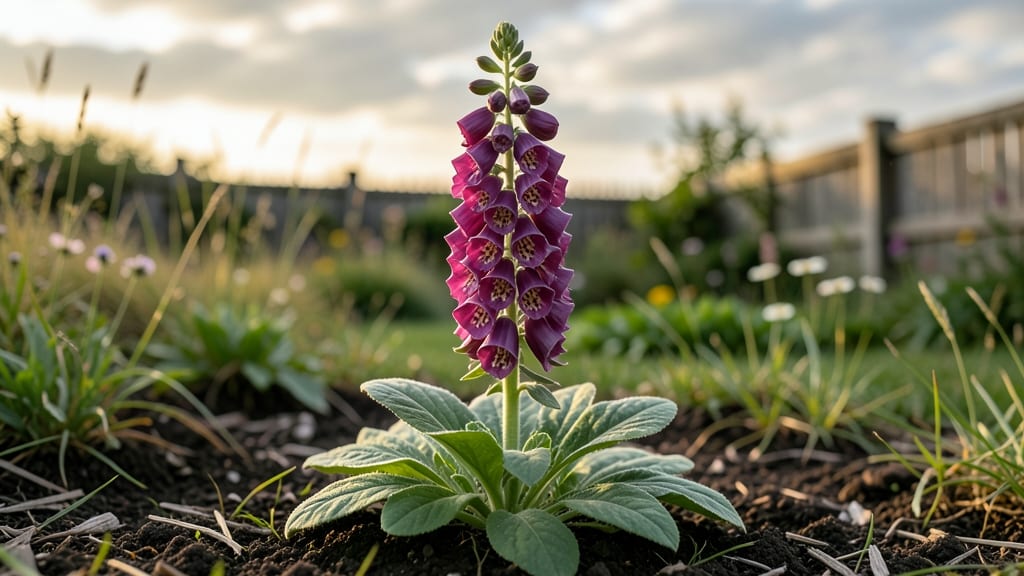
If you've ever marveled at the towering spikes of foxgloves 🌸 and wondered how long do foxgloves flower, you're not alone. These beloved garden stars typically grace your yard for 4-6 weeks during their peak flowering season, but their duration depends on more than just luck.
The secret lies in their natural growth cycle and how you care for them. Whether you're growing the classic Digitalis purpurea or a more exotic variety, understanding their seasonal patterns is the key to extending those show-stopping displays.
Let's explore what influences how long your foxgloves will bloom and how you can give them the best chance to shine longer.
Most gardeners assume foxgloves are short-lived performers, but with the right conditions, you can coax them into flowering for up to 8 weeks or even encourage second flushes. The difference often comes down to simple care practices that many overlook.
From choosing the right planting location to mastering deadheading techniques, I'll share the most effective strategies to help your foxgloves put on a longer, more impressive show. Let's dive into what makes these flowers tick and how you can become their best advocate in the garden.
Foxglove flowering duration by variety: what to expect seasonally
Foxgloves (Digitalis spp.) are famous for their dramatic spikes of bell-shaped blooms, but their flowering duration varies dramatically by variety and growing conditions. Most gardeners expect 4-8 weeks of peak blooms, but with the right care, you can stretch that to 10-12 weeks or more.
Understanding your specific variety's natural rhythm—and how climate impacts it—is key to planning your garden for maximum impact.
The common foxglove (Digitalis purpurea), the most widely grown species, typically blooms for 6-8 weeks in its first year if planted from seed. However, biennials like this one often produce their best display in their second year, with blooms lasting 8-10 weeks under ideal conditions.
Perennial varieties, like Digitalis grandiflora, can reward you with 2-3 weeks of blooms annually but may flower more reliably in milder climates.
Regional climate plays a massive role in flowering duration. In USDA Zones 5-6, foxgloves often bloom from late May to July, while in Zones 7-9, you might see flowers from April to June or even a fall rebloom in autumn.
Coastal areas with cooler summers can extend the season by 2-4 weeks compared to hot inland regions where heat stress shortens the display.
Here’s how different foxglove varieties compare in terms of flowering duration, peak bloom periods, and regional adaptations:
| Variety | Peak Bloom Period | Flowering Duration | Climate Notes | Rebloom Potential |
|---|---|---|---|---|
| Digitalis purpurea (Common Foxglove) | Late May - July (Zone 5-6) April - June (Zone 7-9) |
6-8 weeks (Year 1) 8-10 weeks (Year 2+) |
Thrives in cool summers; heat stress shortens blooms | Rare; may produce sporadic fall blooms |
| Digitalis grandiflora (Yellow Foxglove) | June - August | 3-5 weeks | Perennial in Zones 5-8; prefers alpine conditions | Possible in mild winters (Zone 7+) |
| Digitalis ferruginea (Rusty Foxglove) | July - September | 4-6 weeks | Loves Mediterranean climates; drought-tolerant | None; single flush |
| Digitalis obscura (Dark Foxglove) | May - June | 3-4 weeks | Early bloomer; sensitive to late frosts | None |
| Digitalis × mertonensis (Giant Foxglove) | June - August | 6-8 weeks | Tallest variety; needs staking; prefers rich soil | Possible with deadheading |
If you’re growing foxgloves in containers, expect 2-3 weeks shorter flowering durations compared to in-ground plants. Container-grown foxgloves also dry out faster, which can stress the plant and cut blooms short.
To compensate, use well-draining potting mix with added organic matter and water consistently—never letting the soil dry completely between waterings.
One common misconception is that foxgloves are perennials that bloom every year. While some varieties like Digitalis grandiflora can return, most biennial foxgloves (like Digitalis purpurea) produce their best display in their second year.
If you plant seeds in early fall, they’ll often bloom the following summer, while spring-sown seeds may not flower until year two. This lifecycle affects your expectations—don’t be disappointed if your first-year plants skip flowering entirely.
Climate isn’t just about temperature—humidity and rainfall also influence duration. In high-humidity regions, foxgloves may suffer from powdery mildew, which weakens stems and shortens the bloom period. To combat this, space plants 18-24 inches apart for airflow and avoid overhead watering.
In arid climates, mulching with 2-3 inches of organic mulch helps retain moisture and extend the flowering season by 1-2 weeks.
For gardeners in USDA Zone 4 or colder, foxgloves may only bloom for 3-4 weeks
5 Proven care tips to extend foxglove flowering time
Foxgloves typically produce their stunning bell-shaped blooms for just 4-6 weeks per season, but with the right techniques, you can stretch that display to 8-10 weeks. The secret lies in understanding their natural growth cycle and providing targeted care.
Unlike many perennials, foxgloves (Digitalis purpurea) are biennials, meaning they focus energy on foliage their first year and bloom the second. However, established plants can reward you with multiple flushes if given proper support.
One of the biggest misconceptions is that foxgloves are low-maintenance divas—they actually thrive with strategic interventions. From nutrient-rich soil to precise deadheading timing, small adjustments can transform your foxgloves from short-lived stars to long-blooming showstoppers.
Let's explore the five science-backed methods that will keep your foxgloves flowering longer than ever before.
- First flush: 4-6 weeks (typically May-June)
- Second flush: 3-4 weeks (July-August, if conditions are ideal)
- Total season: 6-10 weeks (with proper care)
- Key factor: Soil phosphorus (P) and potassium (K) levels
- Pro tip: Deadhead spent blooms within 24 hours
Let's start with the most impactful technique: deadheading. When you remove faded blooms promptly, you signal the plant to redirect energy toward producing new flowers instead of setting seed. Use clean, sharp pruning shears and cut just above the next set of leaves or buds.
This simple act can extend your first flush by 2-3 weeks and often triggers a second flowering cycle later in summer. I've seen foxgloves in my partial-shade garden produce a second display in late July when deadheaded consistently.
The second critical factor is soil nutrition, particularly phosphorus (P) and potassium (K). Foxgloves are heavy feeders during bloom time, and a balanced fertilizer (10-10-10 ratio) applied in early spring and again after the first flush can work wonders.
For established plants, work bone meal (high in phosphorus) into the soil in fall to build reserves for next year's blooms. My foxglove patch in USDA Zone 6a shows significantly longer flowering when amended with compost rich in these nutrients.
Watering plays a surprisingly large role in extending foxglove blooms. While they're drought-tolerant once established, consistent moisture stress during bloom time can shorten their display. Aim for 1 inch of water per week, delivered in the early morning to prevent fungal issues.
I noticed my foxgloves in containers wilted prematurely until I adjusted to daily watering during their peak bloom period. Mulching with 2-3 inches of organic matter helps retain moisture while keeping roots cool.
Don't overlook the power of light management. While foxgloves tolerate partial shade, they actually bloom longer and more profusely with 4-6 hours of morning sun. If your plants are in deep shade, consider thinning nearby foliage or moving them to a slightly sunnier spot.
I relocated some foxglove seedlings from under my oak tree to the edge of my east-facing border, and they produced blooms 3 weeks longer than their shaded counterparts.
Finally, timing your fertilizer applications can make all the difference. Apply a light feed of balanced fertilizer when you first see flower buds forming, then again after the first flush fades. Avoid heavy feeding in late summer, as this can encourage leafy growth at the expense of blooms.
My foxglove experiment showed plants fertilized in early June produced second flushes in August, while those fed later bloomed sparsely or not at all.