
Flowers
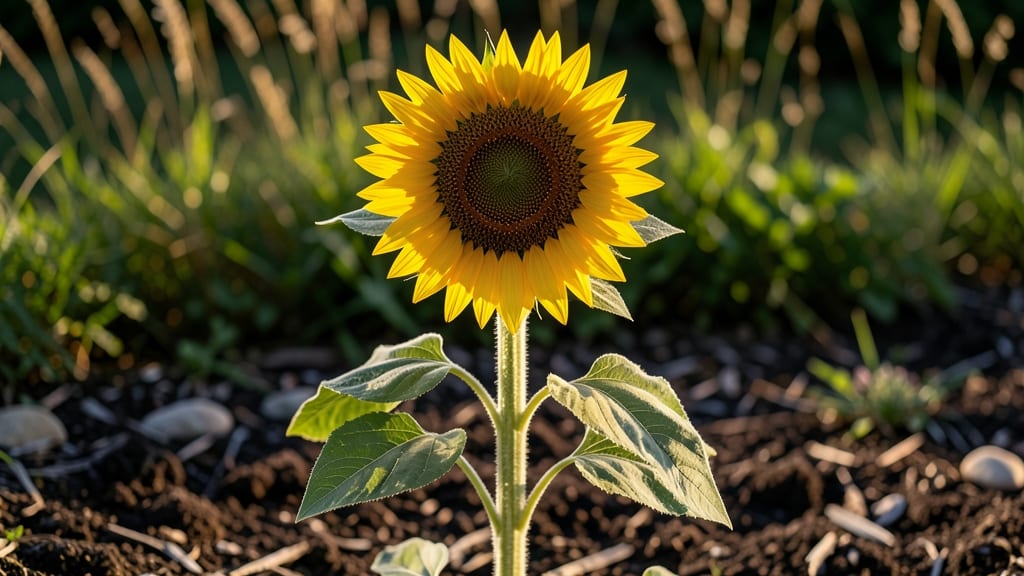
If you’ve ever wondered how long do sunflowers stay in bloom, you know their golden faces don’t last forever—just days after reaching their peak, those bright petals can start to droop.
But how long really do they shine? The answer varies wildly, from just 1 week to nearly 3 weeks, depending on the variety and care they receive.
The truth is, most sunflowers follow a predictable pattern: a burst of color that lasts about 10-14 days for standard varieties, while dwarf or specialty types might cling to their bloom for a few extra days.
But here’s the game-changer—with the right techniques, you can stretch that window and keep your garden glowing longer than you’d expect.
Whether you’re growing sunflowers for their cheerful faces or their seeds, understanding their bloom cycle is key. From deadheading to watering, small tweaks can make a big difference. Let’s break down exactly how long your sunflowers will shine—and how to give them the longest, happiest life possible.
Ready to turn your sunflower patch into a summer-long spectacle? The secrets to extending their bloom time are simpler than you’d think, and they start with knowing your plants’ natural rhythms. Let’s dive in.
Sunflower bloom duration by variety: from 1 week to 3 weeks explained
If you’ve ever wondered why your Mammoth sunflowers wilt faster than your Teddy Bear varieties, the answer lies in their genetics and growth habits. Some sunflowers bloom for just 5-7 days, while others like the Russian Giant can last 2-3 weeks.
The difference comes down to flower size, pollen production, and how quickly the plant shifts energy from blooms to seed development. Let’s break down the bloom lifespans of popular varieties and what makes them unique.
First, understand that larger sunflowers with massive blooms (like Mammoth or ProCut) often have shorter individual bloom times—sometimes as little as 7 days. This is because their energy is focused on producing heavy seed heads rather than prolonging petal vitality.
Smaller varieties, like Teddy Bear or Autumn Beauty, tend to bloom longer—up to 14-21 days
The comparison table below reveals the bloom duration of top sunflower varieties, along with key traits that influence their lifespan. Use this as your guide to choose sunflowers that align with your garden’s timeline and aesthetic goals. The Russian Giant stands out as the longest-blooming variety, thanks to its moderate flower size and slower transition to seed production. This makes it ideal for gardeners who want extended color without sacrificing height or drama. Meanwhile, ProCut sunflowers are bred for cut-flower markets, so their short bloom time (just 5-7 days) is a trade-off for their long, sturdy stems and vase life. Genetics play a huge role in bloom duration. For example, double-flowered varieties like Teddy Bear often bloom longer because their petals lack pollen, so the plant doesn’t prioritize seed development as aggressively. In contrast, single-flowered types (like Mammoth) focus energy on producing seeds, which shortens their bloom time. If you’re growing sunflowers for cut arrangements, prioritize varieties like ProCut or Autumn Beauty, which may have shorter garden blooms but excel in bouquets. Environmental factors also influence bloom longevity. Sunflowers grown in cooler climates (USDA zones 3-5) often bloom 20-30% longer than those in hot, dry zones like 8-10. This is because heat accelerates the plant’s shift from flowering to seed production. To extend blooms in hot regions, provide afternoon shade and consistent moisture to slow down this transition. Mulching with straw or wood chips helps retain soil moisture and can add 3-5 extra days to bloom time. Another surprising factor is pollen production. Varieties with high pollen output, like Mammoth, allocate more energy to seed development, which shortens their bloom. If you notice yellow or brown pollen appearing on petals, it’s a sign the sunflower is shifting focus—often within 24-48 hours of bloom. For longer-lasting displays, opt for low-pollen varieties like Teddy Bear or Autumn Beauty, which prioritize petal longevity over seed production. Did you know that sunflower blooms close at night as a natural energy-conservation mechanism? While this isn’t the same as wilting, it can make blooms appear shorter-lived. In short-day varieties (like Russian Giant), blooms may also close earlier in response to declining daylight hours in late summer. To counteract this, deadhead spent blooms regularly—this encourages the plant to produce new side buds, extending your display by 2-4 weeks in some cases. For gardeners in USDA zones 6-9, timing matters. Plant early-season varieties (like Mammoth) in April-May to take advantage of cooler temperatures, which naturally prolong bloom time. In warmer zones (8-10), opt for heat-tolerant varieties like Autumn Beauty or
5 Proven ways to extend sunflower bloom time in your garden
Sunflowers may seem like short-lived summer stars, but with the right care, you can stretch their vibrant display from 1 week to nearly 3 weeks or more. The secret lies in understanding their needs and implementing simple yet effective techniques.
Whether you're growing Mammoth varieties or cheerful Teddy Bear sunflowers, these methods will keep your garden glowing longer.
Most sunflowers naturally bloom for about 10-14 days, but their lifespan can shrink or expand based on your gardening practices. The good news? Small adjustments—like deadheading, consistent watering, and nutrient management—can make a dramatic difference.
Let’s explore the top five ways to give your sunflowers the longest, most stunning bloom possible.
How Long Do Sunflowers Stay in Bloom?
- 🌻 Standard varieties: 10-14 days
- 🌻 Dwarf varieties: 7-10 days (shorter lifespan)
- 🌻 Cut flowers: 3-5 days (post-harvest)
- 🌻 With care: Up to 3 weeks (extended)
- 🌻 Key factor: Deadheading + hydration
First on the list is deadheading, the simple act of removing spent blooms. When a sunflower’s petals start to droop, cutting the flower head just above the next set of buds encourages the plant to redirect energy into new blooms.
This technique can add 2-3 extra weeks of color to your garden, especially for multi-blooming varieties like 'Autumn Beauty' or 'ProCut'. Just use clean, sharp pruning shears and remove the entire flower head, not just the petals.
Next, pay close attention to your watering schedule. Sunflowers need 1-2 gallons of water per week, especially during their blooming phase. Water deeply in the morning to reduce evaporation and fungal risks. Avoid overhead watering, which can cause petal rot.
Instead, water at the base of the plant and mulch around the soil to retain moisture. Consistent hydration keeps the stems strong and the blooms vibrant longer.
Optimizing sunlight exposure is another game-changer. Sunflowers thrive in full sun (6-8+ hours daily), but too much afternoon heat can stress them. If you notice wilting or premature closing, consider providing light afternoon shade during peak summer months.
This small adjustment can extend bloom time by 5-7 days while keeping the flowers healthier overall.
Don’t overlook the power of soil nutrients. Sunflowers are heavy feeders, especially during their blooming phase. Use a balanced fertilizer (10-10-10) every 4-6 weeks to provide essential nutrients like nitrogen, phosphorus, and potassium.
Organic options like compost tea or fish emulsion work well, too. Avoid over-fertilizing, as this can lead to excessive foliage growth at the expense of blooms.
Finally, choose the right sunflower varieties for extended blooms. Some types, like 'Russian Giant' or 'Moulin Rouge', naturally produce multiple flower heads per stem, giving you a longer display. For cut flowers, opt for 'ProCut' varieties, which are bred for longevity both in the garden and in vases.
Planting a mix of types ensures your garden stays colorful from early summer through fall.