
Flowers
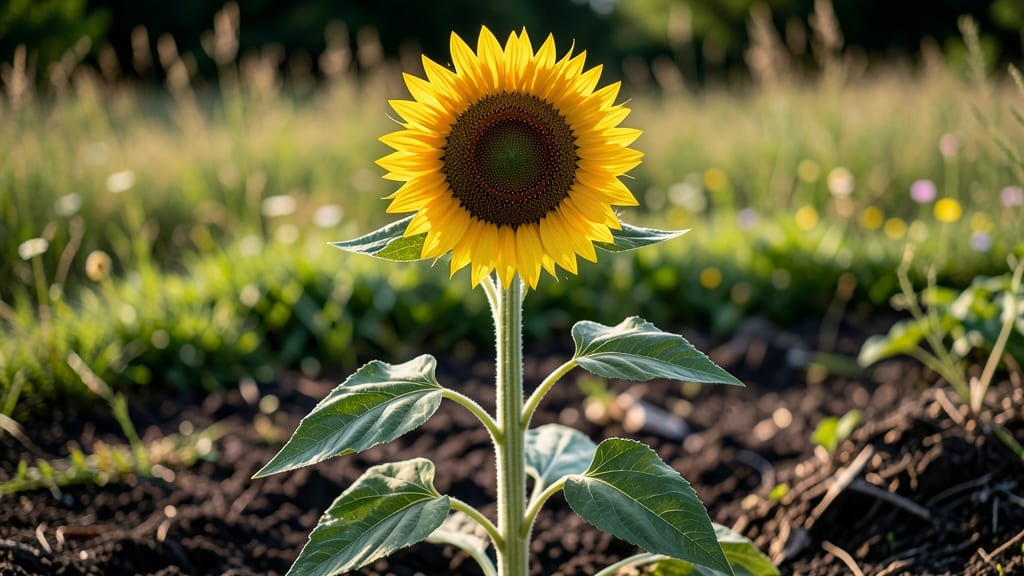
If you're planting Mammoth Sunflowers this spring, knowing exactly how long they take to grow can make the difference between a thriving garden and a missed opportunity for those jaw-dropping 12-foot-tall blooms.
These giants of the garden don't just pop up overnight—they follow a precise timeline that rewards patience with breathtaking results.
From the moment you tuck those seeds into warm, well-drained soil in April or May, you're starting a 75-100 day journey to full maturity.
The first 10 days are all about germination, where tiny sprouts push through the earth, followed by rapid growth that can add 2-3 feet per week under ideal conditions. But here's the catch: climate, sunlight, and even soil quality can tweak this timeline—sometimes dramatically.
What if you want those towering 🌻 sunflowers to bloom by July 4th for maximum impact? Or maybe you're dealing with cooler Zone 6a temperatures that slow things down?
I'll break down the exact stages—from seed to sky-high stems—and share the care secrets that keep your Mammoth Sunflowers on track for their full potential.
Let's dive into the growth timeline so you can plan your garden like a pro, avoid common pitfalls, and enjoy the satisfaction of watching these sun-soaked giants reach for the sky—right on schedule.


Mammoth sunflower growth timeline: seed to full bloom in 75-100 days
Growing Mammoth sunflowers is like nurturing a living skyscraper in your garden—tall, striking, and full of life. These giants typically take 75-100 days from seed to full bloom, but their growth speed depends heavily on your climate, soil, and care.
Understanding each stage helps you set realistic expectations and troubleshoot delays before they happen.
From the moment you plant those tiny seeds, your sunflowers will go through three key phases: germination (days 1-14), vegetative growth (days 15-60), and flowering (days 60-100).
Each phase has unique needs, and small adjustments can mean the difference between a 10-foot beauty and a 16-foot showstopper. Let’s break it down day by day.
Your sunflower seeds will germinate in 7-14 days if planted in warm soil (70-85°F). During this phase, consistency is key—keep the soil moist but not soggy, and place seeds in a sunny spot (even a south-facing window works for indoor starts).
If germination takes longer than two weeks, check soil moisture and temperature—cold or dry conditions can stall sprouting.
Once sprouted, your sunflowers enter the vegetative stage, where they grow like crazy—adding 1-2 inches per day under ideal conditions. This is when they need full sun exposure (at least 6 hours daily) and regular watering (1-2 inches per week).
If you notice stunted growth here, it might be due to nutrient deficiencies or overcrowding. Thin seedlings to 12-18 inches apart to avoid competition.
Around day 60, your sunflowers will start forming buds—this is when they need extra care. The stem thickens, and the plant may reach 6 feet tall by this point.
Reduce watering slightly to encourage stronger stems, but don’t let the soil dry out completely. If your area gets windy, consider staking tall varieties to prevent toppling before they bloom.
By day 80-100, your Mammoth sunflowers will finally reach their full glory—12-16 feet tall with massive blooms. This is also when they need morning watering to prevent fungal issues from evening moisture.
If your sunflowers bloom earlier or later than expected, it’s usually due to soil temperature (warmer = faster) or daylight hours (longer days speed up flowering).
One common misconception is that Mammoth sunflowers grow faster in cooler climates—but the opposite is true. These sun-loving plants thrive in warm weather and can bolt (flower prematurely) if exposed to cold snaps or short daylight.
If you’re in a cooler zone, start seeds indoors 4-6 weeks before your last frost date to give them a head start.
Finally, remember that soil quality plays a huge role in growth speed. Amend your soil with compost before planting to ensure your sunflowers get the nutrients they need for rapid growth. Avoid heavy soils that can slow root development, and always plant seeds 1 inch deep for optimal germination.
With the right care, your Mammoth sunflowers will reward you with towering blooms that dominate your garden—and knowing each stage’s timeline helps you plan for their grand entrance. Now, grab your seeds and get ready for a summer of sky-high sunshine! 🌻
How to speed up or slow down Mammoth sunflower growth naturally
Want your Mammoth Sunflowers to reach their towering 12-foot potential faster—or maybe you need to slow them down to fit your garden timeline? The good news is that you have full control over their growth speed using natural methods.
By adjusting planting times, optimizing soil conditions, and fine-tuning care routines, you can either accelerate those sky-high stems or extend the growing season in cooler climates. Let’s explore how to tailor their growth to your garden’s needs.
Timing your planting is the first step. For faster growth, start seeds indoors 6-8 weeks before your last frost date (around March 15th in Zone 6a) and transplant outdoors in April when soil reaches 55°F. This head start gives them a 2-3 week advantage over direct-sown seeds.
Conversely, if you’re in a cooler climate or want to delay blooming, plant seeds directly outdoors in late May—just be prepared for a slightly shorter growing season.
Soil temperature plays a huge role in growth speed. Mammoth Sunflowers germinate best in soil that’s at least 55°F, but they thrive when soil temps reach 70°F+. To speed things up, use black plastic mulch or row covers to warm the soil faster.
If you’re in a cooler climate like Zone 6a, this can shave off 10-14 days from the germination phase alone. For slower growth, plant in well-draining, cooler soil and avoid mulching until after germination.
Light is another game-changer. These sunflowers are sun-worshippers, and 8+ hours of direct sunlight per day is non-negotiable for maximum growth. If your garden has partial shade, prune nearby trees or relocate your sunflowers to a south-facing spot.
Even an extra 2 hours of sunlight can increase their weekly growth by 6 inches. Conversely, if you’re trying to slow their growth, move them to a slightly shadier spot (but never below 6 hours of sun) to reduce their vigor.
Watering is where you can make fine-tuned adjustments. For faster growth, deep water your sunflowers every 2-3 days during their vegetative phase (first 4-6 weeks). This keeps the soil consistently moist and encourages rapid stem elongation.
To slow growth, reduce watering to every 5-7 days or let the top inch of soil dry out between waterings. Just be careful—overwatering can lead to weak stems and fungal issues, while underwatering stunts growth completely.
Finally, fertilizer timing is your secret weapon. A balanced 10-10-10 fertilizer applied at planting and again in 6 weeks gives your Mammoth Sunflowers the nutrients they need to grow 2-3 feet per week. For slower growth, skip the second feeding or switch to a low-nitrogen fertilizer in late summer.
This reduces their energy output and extends the blooming period. Remember, the key is consistency—whether you’re pushing for speed or slowing things down, your sunflowers will respond beautifully to your care.