
Blooming
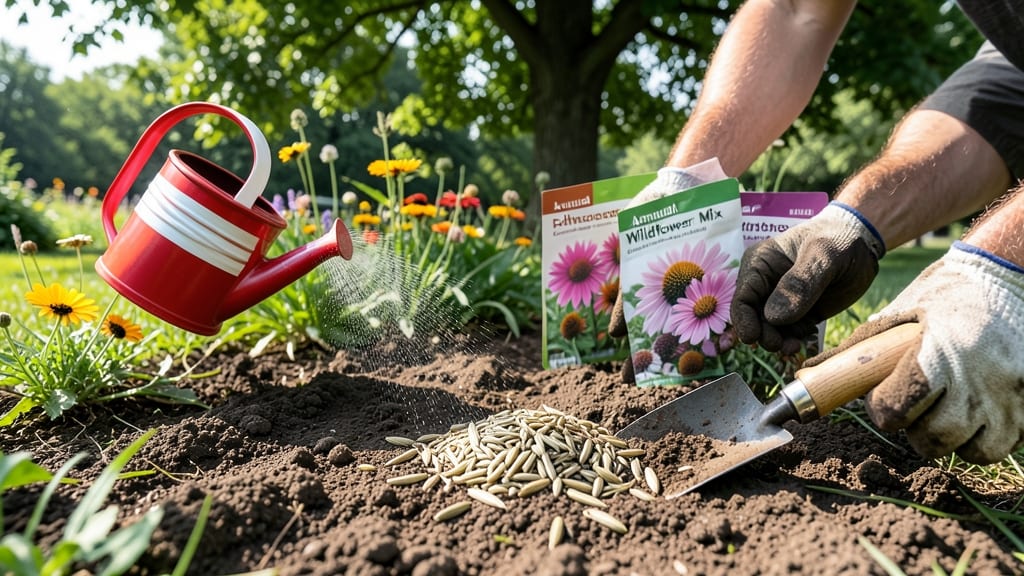
To know how long it takes for wildflowers to sprout, you’re actually asking about the most exciting (and sometimes frustrating) part of gardening—waiting for those first 🌼 green shoots to break through the soil.
Some varieties, like cosmos or sweet alyssum, can pop up in just 7 to 14 days under ideal conditions, while others, like black-eyed Susans or coreopsis, might take 3 to 4 weeks or longer.
The difference often comes down to seed type, soil prep, and even the whims of Mother Nature.
If you’re eager to speed up the process, the good news is that a few simple tricks—like scarification, cold stratification, or proper soil moisture—can shave weeks off your waiting time.
I’ll walk you through exactly what works (and what doesn’t) so you can turn your garden into a blooming paradise faster than you think.
Whether you’re planting in Zone 6a or just starting your spring garden, understanding these timelines and tips will help you avoid common pitfalls and get those wildflowers thriving in no time.
Wildflower germination timeline: fastest to slowest sprouting species
If you’ve ever scattered wildflower seeds hoping for instant color, you know the frustration of waiting. Some varieties burst through soil in less than two weeks, while others take six weeks or more to show their first green shoots.
Understanding these timelines helps you plan your garden and set realistic expectations for blooms.
The fastest-sprouting wildflowers are typically annuals that thrive in warm conditions, while perennials and cold-hardy varieties often take longer. Even within these categories, soil temperature, moisture, and seed treatment play huge roles.
For example, cosmos seeds might sprout in just 7 days under ideal conditions, while black-eyed Susans can take 21+ days.
Here’s a quick breakdown of what to expect from the fastest to slowest-sprouting wildflowers, including tips for optimizing each type’s germination:
Annual wildflowers like cosmos and sunflowers are the speed demons of the garden, often sprouting within two weeks if soil temperatures stay above 60°F. These varieties are perfect for quick color and attract pollinators almost immediately.
I’ve seen cosmos pop up in my garden within 7 days after a light rain—proof that timing and conditions matter more than anything else.
Perennials, on the other hand, are the patient gardeners. Black-eyed Susans and coneflowers can take three weeks or longer to germinate, especially if they’ve been through cold stratification. These plants
3 Proven tricks to speed up wildflower germination in your garden
If you're wondering how long does it take for wildflowers to sprout, the answer often depends on how you prep your seeds. Nature has its own timeline, but with a few science-backed tricks, you can cut that waiting period by 30-50%.
The key lies in mimicking natural conditions that break seed dormancy—like scarification, cold stratification, and pre-soaking. These methods work especially well for tough seed coats or seeds that need winter-like conditions to germinate.
For example, cosmos seeds might sprout in 7-10 days with proper prep, while black-eyed Susans could take 3-4 weeks without it. The difference isn’t just about patience—it’s about giving your seeds the right head start.
Let’s dive into the three most effective methods, including DIY vs. store-bought options so you can choose what works best for your garden and budget.
Scarification (7-14 days faster)
Rough up hard seed coats with sandpaper or a file to mimic natural wear. Best for poppies and lupines.
Cold Stratification (10-21 days faster)
Mix seeds with moist sand and refrigerate for 4-8 weeks. Ideal for coreopsis and rudbeckia.
Pre-Soaking (3-7 days faster)
Soak seeds in warm water for 12-24 hours before planting. Works best for zinnia and sunflower seeds.
Let’s start with scarification, which is perfect if you’re dealing with seeds that have tough outer shells, like those from lupines or poppies. This method mimics the natural process of seeds being worn down by rocks or weather.
Grab a piece of fine-grit sandpaper (around 120-grit) and gently rub the seeds between your fingers for 10-30 seconds. You’re not trying to remove the entire coat—just create tiny scratches to let water in.
For a DIY approach, this costs almost nothing and takes minutes. If you prefer convenience, some seed companies sell pre-scarified mixes, though they’re pricier and less customizable.
Next up is cold stratification, a must for seeds that need a winter chill to break dormancy. This is especially useful for perennial wildflowers like black-eyed Susans or coneflowers.
The process involves mixing your seeds with moist sand or peat moss in a sealed container, then placing it in your fridge for 4-8 weeks. Check the moisture every few weeks—it should stay damp but not soggy.
For a store-bought shortcut, look for pre-stratified seed blends, but they often lack the variety of a DIY mix. Pro tip: Label your containers with the seed type and date to avoid confusion.
Finally, pre-soaking is the fastest trick for seeds that need a quick hydration boost, like zinnia or sunflower seeds. Simply place them in a bowl of warm (not hot) water for 12-24 hours. You’ll know it’s working when the seeds swell or even start to crack.
After soaking, plant them immediately—they’ll be eager to sprout! For this method, DIY is always the winner since store-bought pre-soaked seeds are rare and often overpriced. Just be cautious: some seeds, like delphiniums, can rot if soaked too long.
Each of these tricks can halve your waiting time for wildflower germination, turning weeks into days. Start with one method that fits your seed types, and don’t forget to keep your soil moist but not waterlogged once planted.
With these science-backed shortcuts, you’ll be watching those first 🌱 green shoots break through soil in record time.