
Propagation
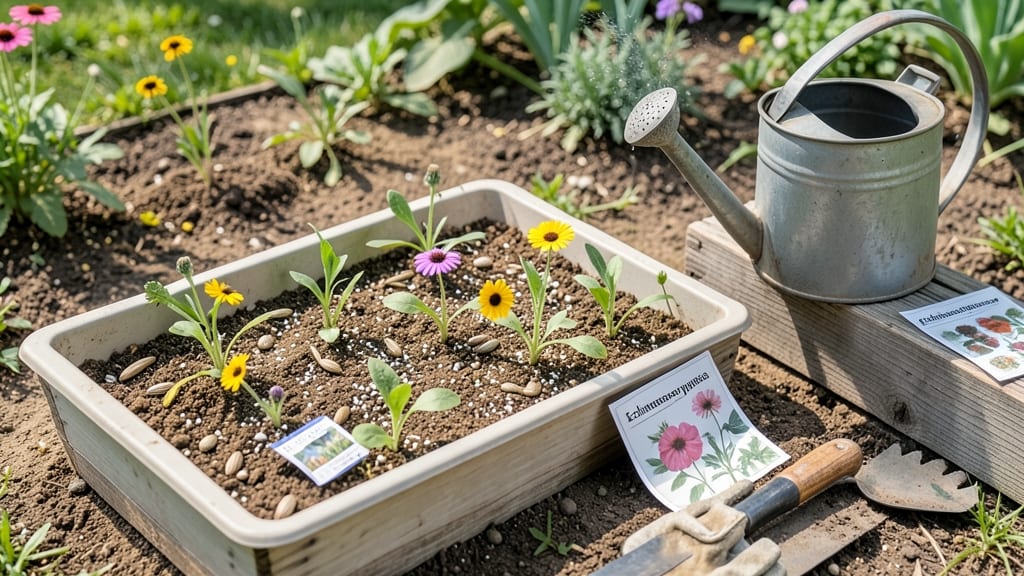
Wildflower germination times by seed type: fastest to slowest sprouters
Understanding wildflower germination times can transform your garden from a guessing game to a predictable success story. Some seeds pop up in as little as 3 days, while others might take 60+ days to show signs of life.
The key? Knowing which seeds fall where on the spectrum—and how to optimize their conditions.
Fast-sprouting annuals like cosmos and zinnias often germinate within 5–14 days, making them perfect for impatient gardeners. On the opposite end, perennial wildflowers such as black-eyed Susans or coneflowers can take 30–90 days to break dormancy. Let’s break down the full spectrum so you can plan accordingly.
Soil temperature and moisture consistency are the two biggest factors influencing germination speed. Most wildflower seeds thrive when soil stays between 60–80°F, but some native species need cooler conditions. Overwatering or letting soil dry out completely can stall germination entirely—so balance is critical.
Here’s a ranked breakdown of common wildflower seeds, from the fastest to the slowest sprouters, along with their ideal germination conditions:
| Seed Type | Germination Time | Ideal Soil Temp (°F) | Light Needs | Key Tip |
|---|---|---|---|---|
| Cosmos | 3–7 days | 65–75°F | Light on surface | Fastest sprouter—keep soil moist but not soggy. |
| Zinnias | 5–14 days | 70–80°F | Light on surface | Direct sow after last frost for best results. |
| Sunflowers (annual) | 7–21 days | 60–85°F | Light on surface | Larger seeds—plant ½ inch deep for faster sprouts. |
| Marigolds | 7–28 days | 70–80°F | Light on surface | Heat-loving—wait until soil is warm. |
| Lupines | 14–30 days | 55–70°F | Light on surface | Cold stratification helps break dormancy. |
| Black-Eyed Susans | 30–60 days | 60–75°F | Light on surface | Slow but worth the wait—perennial blooms yearly. |
| Coneflowers | 30–90 days | 55–70°F | Light on surface | Native species often need scarification. |
| Goldenrod | 45–120 days | 50–65°F | Light on surface | Cool-season germinator—plant early spring. |
If you’re planting a wildflower mix, expect a staggered emergence. Start with the fastest seeds like cosmos and zinnias, then watch for slower varieties like coneflowers to appear weeks later. Patience is key—some seeds may lie dormant until conditions are just right.
For native wildflowers, germination times can be even more unpredictable due to natural dormancy cycles. Many benefit from scarification (lightly sanding seeds) or cold stratification (refrigerating moist seeds for weeks). These methods mimic natural conditions and can cut germination time by 30–50%.
One common mistake is burying seeds too deeply. Most wildflowers need light to germinate, so scatter them on the soil surface or press them lightly into the top ¼ inch of soil. Overwatering can also suffocate seeds—aim for consistent moisture without waterlogging.
Pro tip: Use a seedling heat mat ($15–$25) to speed up germination for slower varieties. These mats keep soil at optimal temperatures and can shave 10–20 days off the process. Just monitor moisture closely to avoid drying out the seeds.
Remember, germination timing isn’t set in stone—it’s influenced by your local climate, soil quality, and even the moon phase (some gardeners swear by planting during a waxing moon!). Track your results and adjust next year’s planting schedule based on what works best in your garden.
How to speed up wildflower germination: pro tips for faster sprouts
Wildflowers are patient plants—some seeds need weeks or months to break dormancy naturally. But with a few proven tricks, you can cut that wait time in half.
The key lies in mimicking their natural environmental triggers while avoiding common pitfalls that stall growth. Let’s unlock those secrets to see sprouts sooner.
First, understand that most wildflower seeds require one of three triggers to germinate: moisture, temperature shifts, or physical scarification. Skipping these steps often leaves seeds sitting idle in the soil.
For example, black-eyed Susans and coneflowers need cold stratification, while cosmos and zinnias respond best to light scarification or warm soil.
- 🌱 Scarification: Lightly sand or nick hard-coated seeds (like lupine) with sandpaper to mimic natural wear. Time saved: 2–4 weeks.
- 🌡️ Cold Stratification: Chill perennial seeds (e.g., bee balm) in a damp paper towel in the fridge for 4–8 weeks before planting. Time saved: 3–6 weeks.
- 💧 Moisture Trick: Soak tiny seeds (like clover) in water for 12–24 hours before sowing. Time saved: 1–2 weeks.
- ☀️ Planting Depth: Tiny seeds (1/16") need light to germinate—press them into soil. Larger seeds (1/4") can be buried deeper. Time saved: Up to 3 weeks.
- ⏰ Warmth Boost: Use a seedling mat or place trays on a sunny windowsill to keep soil at 70–75°F. Time saved: 1–2 weeks.
One of the biggest mistakes gardeners make is overwatering or burying seeds too deep. Wildflower seeds are often light-dependent, meaning they need sunlight to trigger germination.
If you’ve planted them too deeply, they may never sprout. For example, annual wildflowers like cosmos should barely be covered—just press them into the soil.
Another pro tip: Test your soil’s moisture before planting. Wildflower seeds need consistent dampness, not soggy conditions. Use a spray bottle for tiny seeds and a watering can with a gentle setting for larger ones.
Overwatering can cause seeds to rot before germinating, while underwatering halts the process entirely.
For native wildflower mixes, which often contain multiple species, consider pre-germinating in a controlled environment. Use a clear plastic dome or humidity tray to create a mini greenhouse.
This method can double your germination rate and reduce the time from planting to sprouts by up to 50%. Just remember to ventilate daily to prevent mold.
Finally, patience is key, but so is record-keeping. Track which seeds you’ve treated and when you planted them. Some wildflowers, like goldenrod, take 30–60 days to germinate even under ideal conditions.
If you’ve tried all the tricks and still see no sprouts after 6–8 weeks, the seeds may need to be replaced or tested for viability.