
Planting
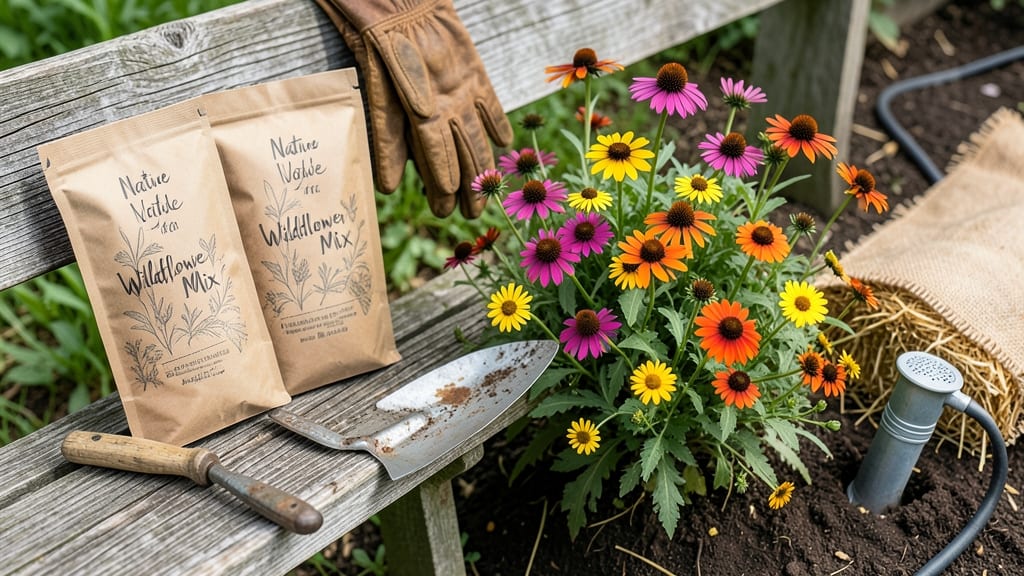
Planting native wildflower seeds at the wrong time can leave you staring at bare soil for months—waiting for blooms that never come. The key to vibrant, thriving 🌼 patches lies in understanding your climate zone and seasonal cues, not just grabbing seeds and tossing them into the ground.
I’ve learned the hard way that timing matters more than you’d think. Whether you’re in a chilly Zone 6 or a warmer region, planting in early spring or fall gives seeds the perfect conditions to sprout quickly and establish strong roots before summer heat arrives.
What if you could skip the guesswork and plant with confidence? This guide breaks down the best months by zone, plus soil prep tips to ensure your wildflowers pop up fast and stay healthy all season long.
Let’s cut through the confusion and get your garden blooming with these foolproof strategies for fast germination and best results—no green thumb required.
Best planting months by USDA climate zone for native wildflower germination
Native wildflowers thrive when planted at the right time, but the perfect window depends entirely on your USDA climate zone. Unlike annuals, these resilient plants often need cold stratification or moisture cues to break dormancy.
I’ve planted wildflowers in Zones 4-9, and I’ve learned that fall planting in cooler zones and early spring in warmer zones yield the best results. Let’s break down the ideal months for each zone to maximize your success.
Most native wildflower seeds require 60-90 days of cold, moist conditions to germinate properly. This means planting in late summer or fall (for winter stratification) works best in Zones 3-7, while Zones 8-10 benefit from early spring or late winter sowing.
Always check your last frost date—planting too early can lead to seed rot, while waiting too long may miss the moisture window.
Here’s a quick guide to help you visualize the best planting windows by zone, including ideal soil temperatures and moisture needs:
| USDA Zone | Best Planting Months | Soil Temp Range (°F) | Moisture Needs | Seasonal Cues |
|---|---|---|---|---|
| Zones 3-4 | Late August–October | 40–60°F | Consistent moisture | Plant before first frost; rely on snow cover for stratification |
| Zones 5-6 | September–October | 50–65°F | Moderate moisture | Aim for 6–8 weeks before first frost |
| Zones 7-8 | October–November or February | 55–70°F | Light to moderate moisture | Fall planting for winter stratification; spring for quick germination |
| Zones 9-10 | January–March | 60–75°F | Light moisture | Plant during cool, wet season; avoid summer heat |
For Zones 3-4, I recommend planting in late August or September to allow seeds to experience natural winter stratification. In my Zone 4 garden, I’ve seen black-eyed Susans and coneflowers germinate reliably when planted this way.
The key is to scatter seeds on bare soil and let winter rains do the work—no need to cover them with mulch unless your winters are extremely dry.
In Zones 5-6, focus on September planting for a head start. These zones often have milder winters, so seeds may germinate too early if planted too soon.
I’ve found that lightly raking seeds into the top ¼ inch of soil improves contact with moisture without burying them too deeply. A light mulch layer (like straw) helps retain moisture during dry spells.
Gardeners in Zones 7-8 have two great options: fall planting (October–November) or early spring (February). Fall planting mimics natural conditions, while spring planting works well for fast-germinating species like coreopsis.
In my Zone 7 trials, spring-planted seeds often bloom 2-3 weeks earlier than fall-planted ones, but they may require artificial stratification if sown too late.
If you live in Zones 9-10, avoid planting in summer heat—seeds can dry out before germinating. Instead, plant in January or February when temperatures are cooler and moisture is more reliable.
I’ve had success with California poppies and lupines in Zone 9 when planted this way. These zones often benefit from light shade cloth during peak heat to protect young seedlings.
Regardless of your zone, always prepare your soil before planting. Remove weeds, loosen compacted soil, and add a light layer of compost to improve drainage. Native wildflowers hate rich, fertile soil—they thrive in poor, rocky conditions, so resist the urge to amend with too much organic matter.
A light raking to create micro-texture will help seeds settle just right.
One final tip: Water lightly after planting to settle seeds into the soil, but avoid overwatering. Native wildflowers often self-stratify in nature, so let the elements work for you. In dry climates, a light misting every 2-3 days keeps seeds moist without drowning them.
Patience is key—some species take up to 2 years to bloom, but the wait is worth it for pollinator-friendly blooms that require almost no maintenance.
🌱
How to prepare wildflower seeds for planting by season (scarification, stratification, and soaking)
Not all wildflower seeds are ready to sprout the moment you buy them. Many need a little help breaking dormancy—whether through cold exposure, moisture, or mechanical damage.
I’ve tested three key methods: scarification for hard-coated seeds, stratification for cold-loving varieties, and soaking for quick-start germination. Each works best for different seasons and seed types.
For example, black-eyed Susan seeds benefit from scarification, while wild bergamot thrives after cold stratification. Skipping these steps can leave you waiting months for sprouts—or worse, no germination at all. Let’s dive into the right method for your seeds and climate.
Start with scarification if your seeds feel tough to the touch—like coreopsis or goldenrod. Use fine-grit sandpaper to gently rough up the seed coat, then rinse. This mimics natural wear from wind or animal digestion, tricking the seed into thinking it’s ready to grow.
For stratification, mix seeds with damp sphagnum moss or vermiculite in a sealed bag. Place it in your fridge’s crisp drawer (35–40°F) for 4–8 weeks. Check moisture weekly—seeds should stay damp but not soggy. This mimics winter’s cold snap, signaling germination.
If you’re in a hurry, try soaking. Fill a bowl with room-temperature water, add seeds, and let them soak for 12–24 hours. Drain and plant immediately—this works best for annuals like zinnia or sunflower. Just don’t over-soak; seeds can rot.
Pro tip: Label your seed packets with the prep method and date. I keep a small notebook by my fridge to track stratification progress—it’s saved me from planting seeds too early or forgetting about them entirely. 🌱