
Plants
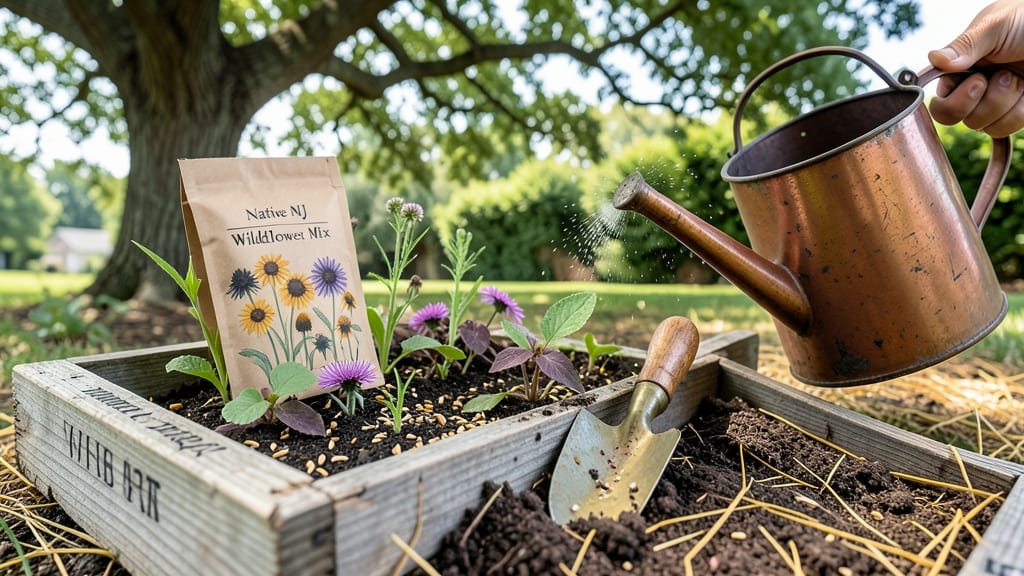
Planting wildflower seeds at the wrong time in New Jersey could leave you staring at bare soil instead of a vibrant meadow of 🌸 blooms.
The key to success lies in understanding your USDA Zone—whether you're in 6a or 7b—and the subtle shifts in frost dates that can make or break your garden.
New Jersey’s climate throws curveballs with unpredictable frosts, especially in early spring or late fall. That’s why timing matters: spring planting (March-April) gives you the best shot at a full season of color, while fall planting (August-September) lets seeds establish roots before winter sets in.
I’ve seen firsthand how a few weeks’ difference can turn a thriving wildflower patch into a flop. The secret? Pay attention to soil temperatures and local frost forecasts—60°F+ soil is your green light for spring, while fall plantings need to happen 6-8 weeks before the first frost.
Ready to transform your garden? I’ll walk you through the exact steps to time your planting perfectly, from soil prep to post-planting care, so you can enjoy a burst of color from April to October—no guesswork required.
Optimal wildflower planting windows in NJ (Zone 6-7): spring vs fall timing
New Jersey’s USDA Zones 6-7 create a unique challenge for wildflower gardeners—unpredictable frost dates and shifting soil temperatures demand precise timing. Planting too early risks frost damage, while waiting too long may delay blooms.
My experience shows that spring and fall offer the best windows, but each has distinct advantages for NJ’s climate.
In Zone 6 (northern NJ), the last spring frost typically arrives April 15-May 1, while Zone 7 (southern NJ) sees it 1-2 weeks earlier.
Fall’s first frost hits October 15-November 1, with northern areas freezing sooner. These dates are your planting anchors—but soil temperature matters just as much.
Soil temperature is the secret sauce. Most wildflower seeds need 45-65°F soil to germinate. In spring, this usually means waiting until mid-March to early April when soil warms consistently. Fall planting thrives when soil cools to 60-70°F, ideally in August-September—giving seeds time to establish before winter.
Here’s how I compare the two seasons for NJ gardeners:
Spring planting gives you more species options, including fast-blooming annuals that reward you with color by summer. However, late frosts can still threaten tender seedlings. I’ve seen cosmos seeds sprouted in March only to be nipped by April’s surprise frost—always use row covers if planting early.
Fall planting, on the other hand, offers fewer weeds and better moisture retention as winter approaches. Seeds sown in late summer germinate slowly, developing strong roots before dormancy. My purple coneflower patches planted in September now bloom reliably each year, thanks to this head start.
For northern NJ (Zone 6), err on the side of caution: plant spring seeds no earlier than mid-April and fall seeds by early September. Southern NJ gardeners have slightly more flexibility—late March for spring and mid-September for fall—but always monitor soil temperature with a thermometer.
Pro tip: Use the NJ Weather and Climate Network to track local frost dates. Their 10-day forecasts help me decide whether to push spring planting into early April or hold off until soil warms.
For fall, I aim to finish planting 6-8 weeks before the first expected frost—this gives roots time to anchor before winter sets in.
Regardless of season, preparation is key. Clear the area of weeds, loosen soil 1-2 inches deep, and scatter seeds thinly. Lightly press them into the soil—no burial needed—and water gently.
My wildflower meadows thrive because I treat them like a low-maintenance ecosystem, not a meticulously tended garden.
Remember: Native wildflowers like New Jersey tea and wild bergamot are your best bets for resilience. They’ve evolved with NJ’s climate and require less water once established.
Plant them in full sun (6+ hours daily) for the most vibrant displays, and watch your meadow become a pollinator paradise by next summer.
How to adjust planting dates for NJ’s unpredictable weather patterns
New Jersey’s climate throws curveballs—one week of 60°F soil can turn into a frost warning overnight. For wildflowers, this means your planting window might shrink faster than you expect.
I’ve learned to adjust dates based on microclimates (urban heat islands vs rural chill) and real-time soil cues rather than relying solely on average frost dates.
Start by tracking your local last spring frost (typically April 15–May 1 in NJ) and first fall frost (October 15–November 1). But here’s the catch: Urban areas like Jersey City may warm up 1–2 weeks earlier than rural spots in the Pine Barrens.
Use these adjustments to fine-tune your schedule.
- 🌡️ 5 Signs Your Soil Is Ready: Wait until soil stays 60°F+ for 1 week (use a soil thermometer). Wildflowers like Black-Eyed Susan need warmth to germinate.
- 🛡️ Extend Your Season: Use row covers to plant 2–3 weeks earlier in spring or 1–2 weeks later in fall. Remove covers when flowers emerge.
- 🌻 Late-Planting Heroes: Coreopsis and Goldenrod tolerate cooler soils. Plant these up to 2 weeks after your ideal date if spring delays occur.
- 📱 NJ Weather Tools: Check the NJ Weather and Climate Network or NOAA alerts for 5-day forecasts. Adjust planting if a cold snap is predicted.
- ⏳ Fall Deadline: Stop planting 6–8 weeks before your first frost. For NJ’s Zone 6a, this means no later than September 15 in most areas.
Microclimates play a huge role. A south-facing slope in Morris County might stay frost-free 10 days longer than a low-lying valley. Observe your garden’s behavior: Do nearby dandelions bloom early? That’s your cue to plant wildflower seeds sooner.
For urban gardeners, pavement and buildings create heat pockets. Plant heat-loving species like Lantana in these spots, but monitor soil moisture—concrete reflects heat, drying out seeds faster. Rural areas often have cooler, damper soils, so opt for moisture-retentive mixes like Milkweed or Joe-Pye Weed.
Pro tip: Keep a planting journal for 2–3 years. Note when your wildflowers emerge and bloom, then adjust future dates. Last year, my spring-planted Coneflowers bloomed 3 weeks earlier than the year before—thanks to a milder winter. Your garden’s data is more reliable than any almanac.