
Plants
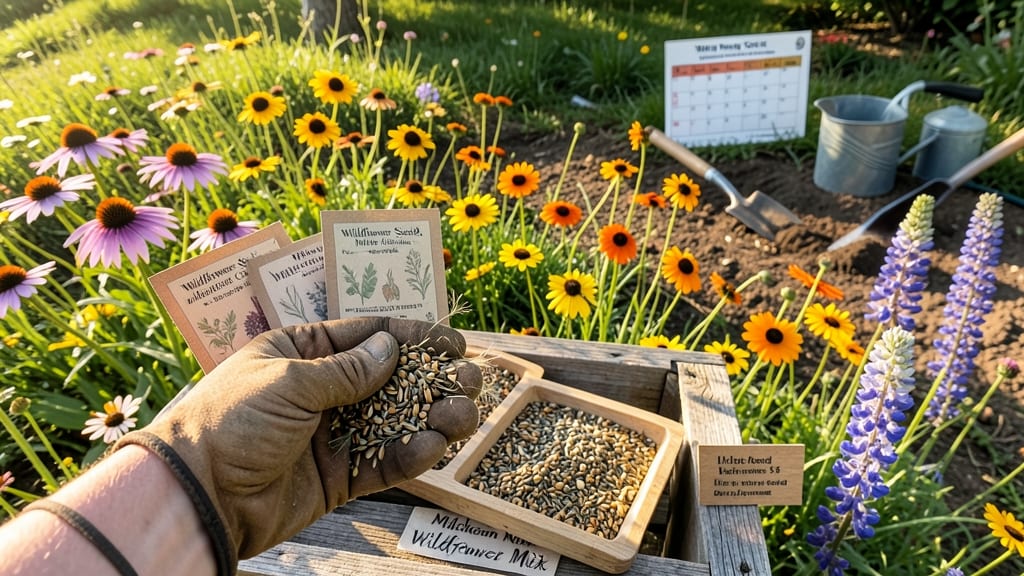
Planting wildflower seeds in Michigan at the wrong time can mean the difference between a vibrant 🌼 meadow and a wasted effort. The key isn't just picking a month—it's understanding your USDA zone, frost dates, and whether your seeds need cold stratification to germinate properly.
Michigan's climate varies dramatically from the Upper Peninsula to the Lower Peninsula, and even a 2-week difference in frost dates can shift your ideal planting window.
I'll break down exactly when to plant in zones 5b-6b, whether spring or fall works better for your location, and how to prepare seeds for maximum success.
You'll discover how native wildflowers like black-eyed Susans and butterfly weed have different timing needs than non-native varieties, and why some seeds benefit from a winter chill. Plus, I'll share simple soil prep tips to ensure your wildflowers thrive once they sprout.
Ready to transform your yard into a pollinator paradise? Let's dive into the perfect planting schedule tailored just for Michigan gardeners—no guesswork required.
Michigan wildflower planting timeline by USDA zone and frost dates
Michigan’s USDA Zones 4-6 create unique challenges for wildflower planting, with frost dates shifting dramatically between the Upper Peninsula (Zone 4) and Lower Peninsula (Zones 5-6). A late spring frost in April can devastate early plantings, while fall planting risks germination before winter sets in.
Understanding these regional differences ensures your wildflowers thrive from the get-go.
Most Michigan gardeners focus on two key planting windows: early spring (after last frost) and late summer/early fall (before first frost). However, native wildflowers often benefit from cold stratification, a process where seeds experience winter temperatures to break dormancy.
This means some species planted in fall may not germinate until the following spring.
In Zone 4 (Upper Peninsula), where winters are harsher, fall planting must occur 6-8 weeks before first frost to allow seeds to establish roots. Many native wildflowers like black-eyed Susan and purple coneflower require cold stratification, so planting in late summer lets nature handle the process over winter.
For Zone 5 and 6, you have slightly more flexibility, but always check local frost records—a 5-year average is more reliable than a single year’s data.
For spring planting, wait until soil temperatures reach 50°F (10°C) consistently. In Zone 6, this often means mid-April, while Zone 4 gardeners may need to wait until late May.
A simple soil thermometer ($10 at garden centers) prevents costly mistakes. Pro tip: If planting in early spring, use row covers to protect tender seedlings from late frosts.
Michigan’s regional microclimates add another layer of complexity. For example, southern Michigan (near Ann Arbor or Detroit) typically has 10-14 days earlier frost dates than the Upper Peninsula.
If you’re unsure, plant a test patch in early April and cover it with frost cloth—if it survives, you’ve found your safe planting window.
Don’t overlook seed preparation
Spring vs. fall planting: which works best for Michigan wildflowers?
Deciding between spring and fall planting for Michigan wildflowers depends on your location’s frost dates and seed types. Both seasons have advantages, but understanding soil temperatures and moisture levels is key to success. For example, southern Michigan’s USDA Zone 6b allows earlier spring planting than northern regions.
Spring planting gives you a head start on blooms, but seeds must be sown after the last frost date—typically mid-April in most areas. Fall planting, however, leverages Michigan’s cool autumn temperatures to mimic natural seed dispersal, often resulting in stronger root systems before winter.
Many native wildflowers benefit from this natural process.
Here’s a quick comparison to help you decide which season aligns best with your goals and climate zone:
Spring Planting
- ✅ Faster blooms in the first season
- ✅ Easier to monitor for weeds and pests
- ✅ Ideal for non-native varieties needing warmth
- ❌ Risk of late frosts damaging young seedlings
- ❌ Competition from weeds is fiercer in spring
- ❌ Requires consistent moisture during dry spells
Fall Planting
- ✅ Natural cold stratification breaks seed dormancy
- ✅ Reduces weed pressure in early spring
- ✅ Strong root development before winter
- ❌ Limited time window before first frost
- ❌ Seeds may sprout too early in warm falls
- ❌ Harder to establish in heavy clay soils
For fall planting, aim to sow seeds 6-8 weeks before your region’s first frost, typically between mid-August and early September. This timing ensures seeds undergo cold stratification naturally, a process where seeds experience winter chills to break dormancy.
If you’re planting in northern Michigan (Zone 4-5), prioritize fall planting for native species like wild bergamot or goldenrod.
If you choose spring planting, prepare your seeds with scarification—lightly nicking the seed coat—or use a cold stratification method (placing seeds in a moist paper towel in the fridge for 4-6 weeks).
This mimics nature’s way of preparing seeds for germination, especially for Michigan-native varieties like purple coneflower or black-eyed Susan.
Moisture management is critical in both seasons. After planting, keep the soil consistently moist but not soggy, especially in spring when evaporation rates are high. In fall, rely on natural rainfall and avoid overwatering, which can rot seeds before winter sets in.
Mulching lightly with straw or leaves helps retain moisture and insulate seeds during temperature swings.
My recommendation? For maximum success, try both methods in small sections of your garden. Plant half your seeds in early spring and the other half in late summer—this hedges your bets against Michigan’s unpredictable weather.
Just remember: native wildflowers often thrive with minimal intervention, so focus on soil prep and timing over heavy-handed care.