
Plants
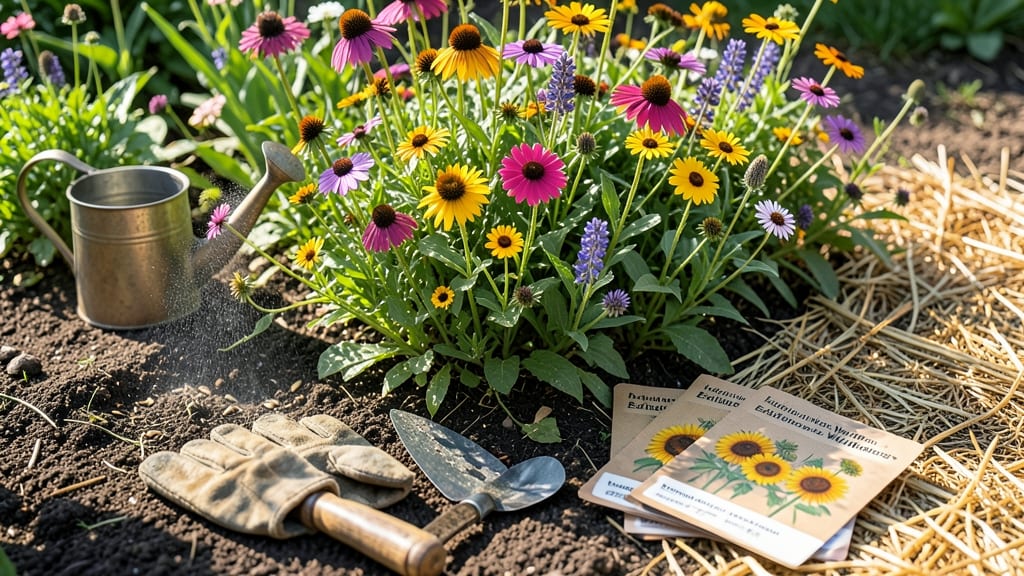
Planting wildflower seeds in Indiana at the wrong time can mean waiting years for those vibrant blooms—or never seeing them at all. The frost-free window between late March and early November is your golden opportunity to turn a patch of dirt into a buzzing pollinator paradise.
If you’ve ever stared at a seed packet wondering, "Why isn’t this working?"—it’s likely because you missed the ideal planting window. In USDA Zones 5b-6b, timing matters more than you think, especially when balancing Indiana’s unpredictable spring rains or early fall frosts.
I’ll break down the exact months to plant for maximum success, whether you’re sowing in spring or fall, and how to prep your soil for a meadow that thrives. No more guesswork—just colorful results from the first year.
Ready to skip the trial-and-error? Let’s dive into the best strategies for Indiana’s climate, so your 🌼 seeds don’t just survive—they thrive.
Indiana wildflower planting calendar: best months by USDA zone 5-6
Timing your wildflower planting in Indiana can make the difference between a vibrant meadow and a disappointing patch. The state's USDA Zones 5b-6b offer two prime windows: spring (March-April) and fall (September-October).
Each season brings unique advantages—spring seeds germinate quickly in warming soil, while fall plantings establish roots before winter. Let's break down the optimal months by region and frost dates.
Northern Indiana (Zone 5b) typically experiences its last frost around April 15, while southern Indiana (Zone 6b) sees frost-free conditions by April 1. These dates create a 6-week window for spring planting.
For fall, aim to sow seeds 4-6 weeks before your first frost, usually September 15-October 15. This timing ensures seeds germinate but don't sprout before winter.
The comparison-table below shows the best months for planting perennial and annual wildflowers, including frost date calculations and regional variations.
| Season | USDA Zone 5b (North IN) | USDA Zone 6b (South IN) | Best Planting Month | Frost Considerations | Wildflower Types |
|---|---|---|---|---|---|
| Spring | After April 15 | After April 1 | March-April | Wait until soil warms to 50°F+ | Annuals (Cosmos, Zinnias), Perennials (Black-Eyed Susan) |
| April | Ideal for fast germination | Native perennials (Coneflower, Milkweed) | |||
| Fall | September 15-October 15 | September 1-October 15 | September-October | Seeds need 4-6 weeks to germinate before frost | Perennials (Aster, Goldenrod), Biennials (Foxglove) |
| October | Soil temps 60-70°F ideal for root growth | Wildflower mixes (Prairie blends) | |||
| Regional Tip: Southern Indiana can plant 2 weeks earlier than northern areas. | |||||
For spring planting, start with annual wildflowers like cosmos or zinnias, which bloom quickly and attract pollinators. These thrive in Indiana's warm, short growing season.
Perennial wildflowers like black-eyed Susans and purple coneflowers benefit from fall planting—they establish deep roots before winter and reward you with years of blooms.
If you're in northern Indiana (Zone 5b), consider a two-part approach: plant hardy annuals in late April for summer color, then add perennials in September for next year's blooms.
Southern Indiana gardeners have more flexibility—you can even start early spring plantings in February under row covers for a head start.
One common mistake is planting too early in spring when soil is still cold. Test your soil temperature with a seedling heat mat or wait until it consistently stays above 50°F. For fall plantings, avoid sowing seeds after October 15—they may not germinate before frost kills them.
Native wildflowers like butterfly weed and wild bergamot thrive in Indiana's climate and require minimal care once established. These plants support local ecosystems by providing nectar for bees and butterflies. For best results, choose locally sourced seeds that are adapted to your specific region.
Watering is critical in the first 2-4 weeks after planting. Keep soil moist but not soggy—wildflower seeds need consistent moisture to germinate. Once established, most wildflowers are drought-tolerant and require minimal watering. Mulch lightly with straw or leaves to retain moisture and suppress weeds.
Remember, Indiana's microclimates can vary significantly. A south-facing slope may warm up faster than a north-facing yard, allowing for earlier plantings. Pay attention to local frost dates and adjust your timeline accordingly. With the right timing, your wildflower meadow will burst into color from June through September.
For a low-maintenance pollinator garden, combine spring and fall plantings. Start with spring annuals for immediate color, then add fall perennials to ensure continuous blooms. This strategy creates a year-round food source for bees, butterflies, and hummingbirds.
🌼
How to prepare your Indiana soil for wildflower success
Indiana’s wildflower meadows thrive when planted in the right soil—but many gardeners skip this critical step. Native wildflowers like black-eyed Susans and purple coneflowers need well-draining, nutrient-rich soil to germinate properly. Without prep, seeds may rot or fail to sprout, leaving you with patchy blooms instead of a vibrant meadow.
Start by testing your soil’s pH level. Most Indiana wildflowers prefer a slightly acidic to neutral range (6.0-7.0). Grab a soil test kit from your local garden center or send a sample to Purdue Extension for professional analysis.
If your soil is too alkaline, add peat moss or sulfur to adjust it gradually over a few weeks.
Before planting, clear the area of weeds and grass. Use a broadfork or hoe to loosen the top 4-6 inches of soil without over-tilling, which can bury seeds too deep.
Wildflower seeds need light to germinate, so avoid heavy compaction. If your soil is rocky or clay-heavy, mix in compost or sand to improve drainage.
⚠️ WARNING: Common Mistakes That Kill Germination ⚠️
Choose a native wildflower seed mix suited to Indiana’s climate. Look for blends containing perennials like butterfly weed and annuals like cosmos for year-round color. Avoid cheap, non-native mixes—they often require more water and attract invasive species. Scatter seeds thinly over prepared soil and lightly press them in with a rake or board.
After planting, maintain consistent moisture for the first 4-6 weeks. Water deeply once a week in the morning to prevent fungal diseases. Once seedlings emerge, reduce watering to every 10-14 days, letting the soil dry slightly between sessions.
Mulch lightly with straw or leaves to retain moisture and suppress weeds without smothering new growth.
For long-term success, avoid fertilizing heavily—wildflowers thrive in low-nutrient conditions. Instead, top-dress with compost annually in early spring to feed the soil naturally. By following these steps, your Indiana wildflower meadow will flourish with bold blooms and pollinator activity from year one. 🌼