
Light Requirements
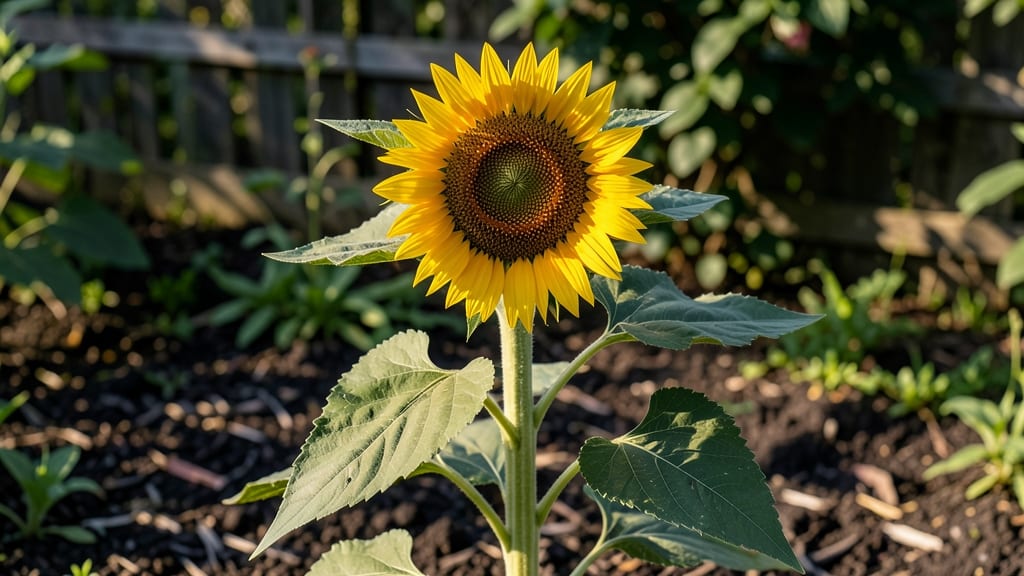
Most sunflowers need 6 to 8 hours of direct sunlight daily to thrive, but not all varieties play by the same rules. Some, like the towering Mammoth types, demand full sun without compromise, while others might tolerate a little afternoon shade.
The key is understanding how much light your specific sunflower craves—and how to spot when it’s not getting enough.
Too little sun, and you’ll notice weak, leggy stems reaching for the sky like they’re desperate for more light. Too much, and those vibrant petals might scorch before they even bloom. I’ll break down exactly how to give your sunflowers the perfect light balance, no guesswork involved.
Ready to grow sunflowers that reach for the sky with confidence? Let’s dive into the sunlight secrets that’ll turn your garden into a golden paradise—no matter what variety you’re planting.


Sunflower sunlight requirements by variety: full sun vs. partial shade tolerance
Sunflowers thrive when basking in sunlight, but not all varieties demand the same intensity. While most need 6-8+ hours of direct sun daily, some dwarf or ornamental types tolerate partial shade. The difference affects everything from stem strength to bloom size—and even leaf color.
Let’s break down the sunlight needs by your most popular sunflower varieties to help you choose the right one for your garden’s light conditions.
Most sunflowers are full-sun lovers, meaning they need at least 6 hours of direct sunlight daily. However, dwarf varieties and ornamental types like Teddy Bear can handle 4-6 hours in partial shade.
Too little light leads to leggy stems and smaller blooms, while too much can scorch delicate petals. Understanding these nuances ensures your sunflowers grow tall, strong, and vibrant.
Here’s how sunlight affects sunflowers: Full sun produces the largest blooms and sturdiest stems, while partial shade can result in smaller flowers and weaker growth. Leaf color also shifts—darker green leaves in full sun versus lighter green in shade. Let’s dive into the specifics for your favorite varieties.
For Mammoth sunflowers, the gold standard for height and bloom size, 8-10+ hours of full sun is non-negotiable. These giants need the most light to support their 12-16 inch blooms and towering stems.
Plant them in the sunniest spot in your garden, ideally facing south. Without enough light, their stems weaken, and blooms shrink dramatically.
If you’re growing Teddy Bear sunflowers, you’ve got a bit more flexibility. These adorable, 6-8 inch blooms tolerate 6-8 hours of sun and can even handle partial shade.
This makes them perfect for containers or urban gardens where sunlight is limited. Just expect slightly smaller flowers if they don’t get full sun.
The Pro Cut variety is a favorite for cut flowers, thanks to its strong stems and 8-10 inch blooms. Like Mammoths, they thrive in 6-8 hours of full sun.
Place them where they’ll receive morning sun and afternoon shade if your climate is particularly hot, as this prevents petal scorching while still ensuring robust growth.
For Autumn Beauty sunflowers, known for their multi-colored petals, aim for 6-8 hours of sun. These sunflowers are slightly more shade-tolerant than Mammoths but still need plenty of light to develop their vibrant hues.
If grown in shade, their colors may fade, and stems may become weak.
If your garden only gets partial shade, consider Dwarf Sunglow sunflowers. These cheerful little plants handle 4-6 hours of sun and are ideal for shadier spots or containers.
While their blooms are smaller (4-6 inches), they’re perfect for adding color where full sun isn’t an option. Their light green leaves also adapt well to lower light conditions.
To maximize sunlight for sunflowers, rotate containers every few days if growing in pots. This ensures even light exposure and prevents stems from leaning. In shadier climates, use reflective surfaces like white mulch or mirrors to bounce extra light onto your plants.
Even a few extra hours of sunlight can make a noticeable difference in bloom size and stem strength.
Watch for signs of insufficient sunlight, like pale leaves or stretched stems. These are clear indicators your sunflowers need more light. On the flip side, burnt petals or stunted growth signal too much direct sun, especially in hot afternoons.
Adjust their placement accordingly to keep them happy and healthy.
By matching your sunflower variety to your garden’s sunlight conditions, you’ll enjoy taller stems, bigger blooms
How to adjust sunlight for sunflowers in different climates and containers
Sunflowers in high-altitude gardens or urban containers face unique sunlight challenges. At 5,000 feet elevation, sunflowers need 10-12% more sunlight than sea-level plants due to thinner air.
Meanwhile, balcony growers often deal with partial shade from buildings or reflected heat that can trick plants into thinking they’re getting more sun than they are.
Seasonal shifts also play a role. In winter, shorter days mean sunflowers might only get 4-5 hours of direct light—far below their needs. The trick is to supplement with grow lights or rotate containers to follow the sun’s arc.
Even in summer, afternoon clouds can cut exposure by 30-50%, so monitoring is key.
Here’s how to fine-tune sunlight for your sunflowers, whether you’re in a mountain garden, a city balcony, or a container on a patio:
- 1 6-8 hours daily is the minimum for most sunflowers, but 10+ hours in containers prevents leggy growth.
- 2 Use reflective surfaces (white walls, mirrors) to bounce extra light onto sunflowers in shade-prone spots.
- 3 Rotate containers weekly to ensure even sun exposure—sunflowers grow toward light, creating uneven stems.
- 4 Companion plants like marigolds or cosmos can improve airflow and reduce shade competition.
- 5 In winter or cloudy climates, add LED grow lights for 12-14 hours/day to mimic summer light.
For high-altitude gardens, I’ve found that dwarf varieties like ‘Teddy Bear’ handle thinner air better than giants. Their shorter stems need less structural support in windy conditions, and they bloom faster with 6-7 hours of sun. Pair them with windbreaks to prevent damage while maximizing light exposure.
Urban balconies often suffer from reflected heat bouncing off buildings, which can overheat soil and stress roots. To balance this, I place containers on insulated trays and water deeply in the early morning to cool the soil.
This trick keeps roots happy while ensuring sunflowers get the direct sunlight they crave.
If your sunflowers start stretching toward the sky with pale, weak stems, it’s a clear sign they’re light-deprived. Move them to a sunnier spot immediately—even an extra 2 hours of sun daily can make a dramatic difference in stem strength and bloom size.
With these adjustments, your sunflowers will reach for the sky with confidence, no matter where you grow them.