
Light Requirements
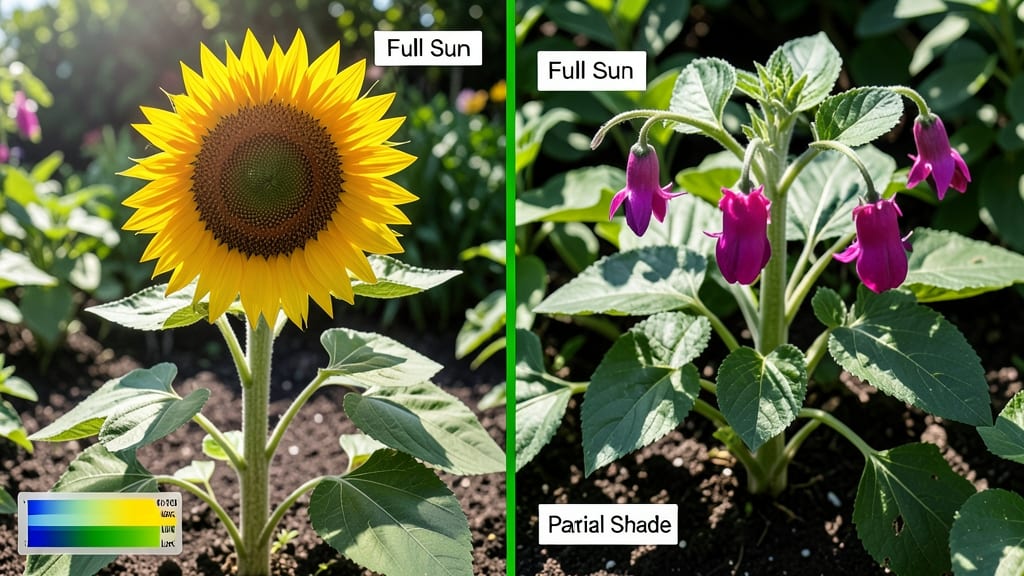
If your 🌸 flowers are struggling to bloom or look weak, you might be getting their sunlight needs all wrong. The right balance of light isn’t just about placing them anywhere—it’s the key to vibrant growth and stunning blooms.
Most gardeners assume all flowers crave full sun, but the truth is far more nuanced. Some varieties thrive in bright, direct light for 6+ hours, while others wilt under too much exposure. Understanding these differences can transform your garden from lackluster to lush.
In this guide, I’ll break down exactly how much sunlight different flowers need—whether they’re sun-worshippers like sunflowers or shade-lovers like impatiens. You’ll also discover how to spot signs of over- or under-exposure and adjust care for healthier plants.
Ready to give your flowers the perfect light conditions? Let’s dive into the sunlight secrets that will have them blooming better than ever.

Sunlight requirements for popular flowers: full sun vs. partial shade breakdown
Understanding how much sunlight your flowers need is the first step to a thriving garden. Full sun, partial shade, and shade each create dramatically different growing conditions.
Most gardeners assume "full sun" means any sunny spot, but 6+ hours of direct sunlight is the gold standard for true full-sun lovers like sunflowers and roses.
Meanwhile, partial shade (3-6 hours of sun) suits delicate bloomers like petunias, while shade-tolerant flowers thrive with less than 3 hours of light.
Before choosing flower varieties, assess your garden’s light exposure. South-facing areas receive the most intense light, while north-facing spots stay cooler and shadier. Even east and west exposures vary—morning sun is gentler than afternoon heat.
A quick test: Place a white board in your garden for a week to track sunlight hours. This simple trick reveals whether your space qualifies as full sun, partial shade, or true shade.
Full-sun flowers like sunflowers and lavender demand unfiltered light to reach their full potential. These varieties often produce larger blooms and stronger stems when given their preferred conditions. For example, sunflowers can grow 12 feet tall in ideal conditions, while lavender stays compact but fragrant.
If you notice stunted growth or fewer blooms, your sun-loving plants may need a sunnier spot.
Partial shade is ideal for tender perennials and annuals that can’t handle harsh afternoon sun. Petunias and geraniums thrive with 3-6 hours of morning light paired with afternoon shade. These flowers often feature vibrant colors and prolonged blooming when protected from the hottest part of the day.
A simple trick: Use lattice screens or trellises to filter light for plants near windows or fences.
Shade-tolerant flowers like impatiens and foxgloves are lifesavers for north-facing gardens or woodland areas. These varieties often have delicate foliage and unique blooms that shine in dappled light.
However, even shade plants need some light—less than 2 hours can lead to leggy growth and pale flowers. Consider understory plants like heucheras or astilbes to add texture to shady corners.
Mistakes with sunlight are easy to make, but the fixes are simple. If your roses develop yellow leaves, they may
How to adjust sunlight for different flower types: signs of over/under-exposure
When your 🌸 flowers start showing signs of stress, it’s often a clear signal that their sunlight needs aren’t being met. Over-exposure can scorch leaves and stunt growth, while under-exposure leads to leggy stems and sparse blooms.
Recognizing these signs early is key to saving your plants before damage becomes permanent.
For example, sunflowers and marigolds wilt or develop brown patches when they get too much direct sun, while impatiens and coleus droop and lose color if they’re not getting enough shade. Each plant has a unique tolerance level, and understanding these cues helps you adjust their environment quickly.
Here’s how to diagnose sunlight stress and take action before it’s too late. Whether you’re dealing with yellowing leaves, burnt edges, or stunted growth, these tips will help you fine-tune your garden’s light conditions for healthier, happier blooms.
⚠️ Sunlight Stress Warning Signs
Too Much Sun: Brown or crispy leaf edges, bleached or white patches, wilting even with water. Act fast—move plants to partial shade immediately.
Too Little Sun: Leggy or stretched stems, fewer blooms, pale or yellow leaves. Gradually increase light exposure over 1-2 weeks to avoid shock.
Pro Tip: Use a shade cloth (30-50%) for full-sun plants in peak afternoon heat to prevent damage.
If your roses or geraniums show signs of sunburn, like crispy edges or white patches, they’re likely getting too much direct sunlight. These plants thrive in full sun (6+ hours), but afternoon heat can be too intense.
Try relocating them to a spot with morning sun and afternoon shade or provide temporary shade with a lightweight shade cloth.
On the other hand, if your fuchsias or begonias are growing tall and spindly with few blooms, they’re probably not getting enough light. These shade-loving plants need bright, indirect light—think dappled sunlight or a north-facing window.
Gradually move them to a sunnier spot over a week to avoid shocking their delicate leaves.
For partial-shade plants like petunias or impatiens, the goal is balance. Too much sun causes leaf scorch, while too little leads to weak stems. If you notice yellowing between veins, it’s often a sign of too much light.
Prune back any damaged foliage and adjust their position to receive 3-6 hours of filtered light daily.
Don’t wait until your plants are struggling to act—monitor their light exposure regularly. Use a sunlight tracker or observe how shadows move in your garden throughout the day. With these adjustments, your flowers will thrive, and your garden will burst with color all season long. 🌿