
Flowers
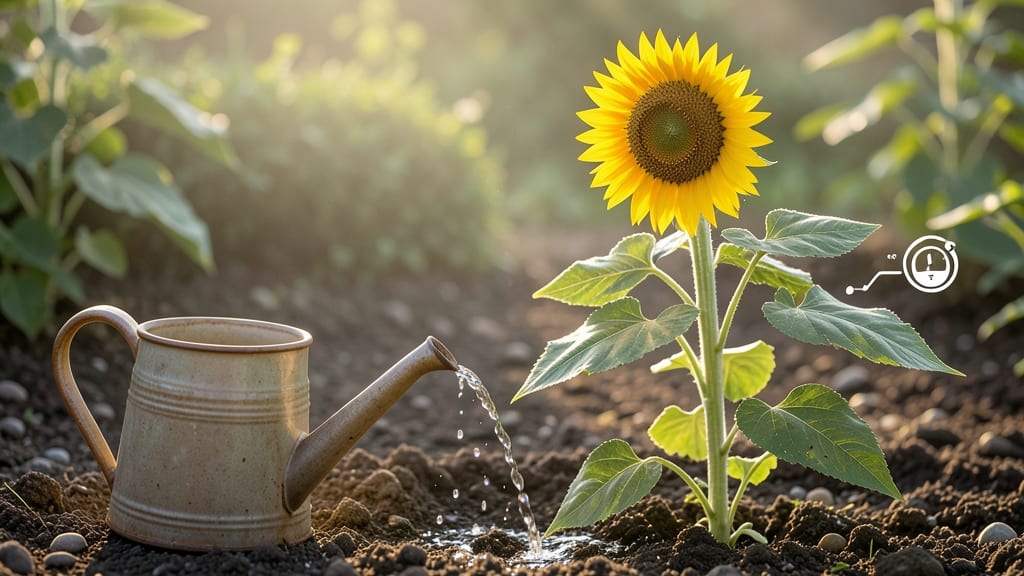
To keep your sunflowers thriving, how often should sunflowers be watered is the key—not just how much, but when and how deeply. These towering beauties 🌻 might look tough, but they’re surprisingly sensitive to moisture extremes, and getting it wrong means wilting before they even bloom.
Most gardeners assume sunflowers need frequent shallow watering, but that leads to weak roots and fungal problems. Instead, I’ve found the deep-soil method transforms their growth—watering deeply but less often strengthens their roots and makes them drought-resistant once established.
Whether you’re nurturing seedlings or watching mature stalks reach for the sky, consistency is everything. You’ll learn exactly how often to water based on your sunflower’s stage, soil type, and even your local climate—so you can avoid both soggy soil and parched plants.
Let’s dive into the science-backed schedule that’ll have your sunflowers standing tall and proud, with blooms that last from summer through early fall.
Sunflower watering schedule by growth stage: deep-soil method explained
Sunflowers thrive when you mimic their natural drought-resistant habits. The key is deep-soil watering—soaking the roots thoroughly less often instead of frequent light sprinkles. This method builds strong root systems and prevents root rot while conserving water.
Let’s break it down by growth stage so you can adjust your watering schedule like a pro.
Newly sprouted sunflowers need consistent moisture to establish roots, but overwatering here is just as harmful as underwatering. The seedling stage (first 2-3 weeks) requires the most attention. Use your finger to check soil moisture—if the top 1-2 inches feel dry, it’s time to water.
Aim for 1 inch of water per week, delivered all at once in the morning.
Here’s your stage-by-stage watering guide with exact frequencies and soil checks:
| Growth Stage | Watering Frequency | Soil Moisture Check | Water Amount | Best Time |
|---|---|---|---|---|
| Seedling (0-3 weeks) | Every 2-3 days | Top 1-2" dry | ½ gallon per plant | Morning (6-9 AM) |
| Vegetative (3-6 weeks) | Every 3-5 days | Top 3-4" dry | 1-2 gallons per plant | Early morning |
| Flowering/Budding (6-10 weeks) | Every 5-7 days | Top 4-6" dry | 2-3 gallons per plant | Morning (before 10 AM) |
| Mature/Seed Production (10+ weeks) | Every 7-10 days | Top 6" dry | 3+ gallons per plant | Morning or late afternoon |
During the vegetative stage, sunflowers start growing rapidly, and their roots need to penetrate deeper. This is when you can gradually reduce frequency while increasing water volume. For example, a 6-foot sunflower might need 2 gallons of water delivered in one session.
Use a soaker hose or drip irrigation to avoid wetting the leaves, which reduces fungal risks.
The flowering stage is critical—this is when your sunflowers need the most water to support those heavy blooms. However, overwatering now can cause buds to drop. Always check the soil 4-6 inches down with your finger or a moisture meter.
If it’s dry, water deeply. If it’s still damp, wait 2 more days before checking again. Morning watering is non-negotiable here to prevent evening moisture from lingering on leaves.
Once sunflowers reach mature height (especially 10+ feet varieties), they become surprisingly drought-tolerant. At this stage, deep watering every 7-10 days is often sufficient, provided your soil has good drainage.
Container-grown sunflowers will still need more frequent watering—every 5-7 days—since pots dry out faster. Always water until you see excess water draining from the bottom of the container.
Pro tip: Mulch around the base with straw or wood chips to retain moisture and prevent soil evaporation. This lets you water 20-30% less frequently while keeping roots consistently hydrated.
Just keep mulch 2-3 inches away from the stem to avoid rot. For clay-heavy soils, add compost to improve drainage and prevent waterlogging.
Adjust your schedule based on weather and soil type. Sandy soils dry out faster and may need watering every 3-4 days, while clay soils can go 7-10 days between deep waterings.
Always prioritize deep watering over frequency—sunflowers reward you with bigger blooms and stronger stems when their roots grow deep and resilient.
Remember: Wilting leaves don’t always mean your sunflower needs water—sometimes it’s too much water causing root suffocation. If leaves turn yellow or stems feel mushy, cut back on watering immediately. The deep-soil method isn’t just about quantity; it’s about consistency and timing to grow sunflowers that reach for the sky.
Signs your sunflowers need water (and when to hold back)
Sunflowers 🌻 are surprisingly expressive about their hydration needs. One of the first visual cues is leaf wilting—especially in the afternoon when the plant can’t recover overnight.
Check the stem flexibility: a healthy sunflower stem stays firm, while thirsty plants feel soft or hollow when squeezed gently. Soil cracks deeper than 1 inch also signal it’s time to water, as sunflowers develop deep taproots that need consistent moisture.
For mature sunflowers, drought tolerance kicks in after the first few weeks. Once established, they can handle 5-7 days between waterings in well-draining soil, but their leaves will still show stress by drooping slightly during peak heat.
The key is monitoring the soil moisture 2-3 inches down—if it’s dry, water deeply until it’s moist 6 inches down.
⚠️ PROS-CONS BOX ⚠️
How Often Should Sunflowers Be Watered?
PROS of Deep Watering
- Stronger roots develop deeper
- Reduces fungal risks by avoiding wet foliage
- Drought-resistant mature plants
- Consistent blooms without stress
CONS of Overwatering
- Yellowing leaves from root rot
- Mold growth at soil level
- Exposed roots from compacted soil
- Stunted growth due to poor aeration
Seedling Stage
Every 2-3 days (keep soil moist)
Vegetative Stage
Every 3-5 days (deep watering)
Flowering Stage
Every 5-7 days (drought-tolerant)
Watch for overwatering red flags like yellowing leaves starting from the bottom or moldy soil that smells sour. If you see root exposure or stems that feel mushy, you’ve gone too far.
Sunflowers hate soggy conditions—even in containers, ensure pots have drainage holes and never let them sit in saucers of water. Morning watering is critical to prevent fungal diseases like powdery mildew, which thrives in damp leaves.
Mature sunflowers often show surprising resilience during dry spells. If your plants are over 3 feet tall with fully developed leaves, they can handle 10-14 days without water in hot climates, though their blooms may wilt slightly by midday.
The trick is to water deeply but infrequently—aim for 1-2 gallons per plant once a week in established beds, letting the soil dry out between sessions.
For container-grown sunflowers, the rules change. Smaller pots dry out 3x faster than in-ground plants, so check soil moisture daily during heatwaves.
If the top inch feels dry, water until it runs out the drainage holes. Self-watering pots with pebbles and a water reservoir are a game-changer for summer care, keeping roots hydrated without overdoing it.
Remember: Consistency matters more than strict schedules. If your area faces unpredictable rain, skip watering for 2-3 days after a downpour to avoid waterlogged soil. And if you’re unsure?
Stick your finger 2 inches deep—if it’s dry, water; if it’s damp, wait. Your sunflowers will thank you with vibrant blooms that last all summer long. 🌻