
Flowers
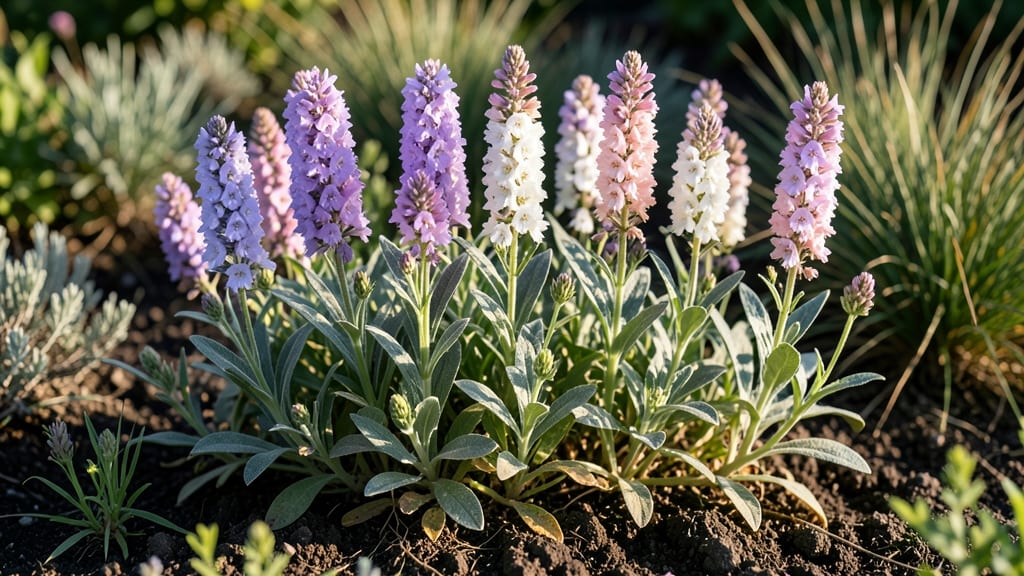
If you've ever dreamed of a garden bursting with fragrant 🌸 stock flowers but wondered how tall stock flowers grow, you're not alone. These charming blooms can range from compact 1-foot dwarfs to towering 4-foot giants, making them incredibly versatile for any garden layout.
The key to getting the height you want lies in choosing the right variety and giving them proper care. Whether you're planning a delicate border or a dramatic cut-flower display, understanding these height variations will help you create the perfect floral arrangement.
Let's explore how to select and grow stock flowers that fit your vision.
For those with limited space, dwarf varieties like 'Tumbling Waters' stay under 12 inches, while standard types like 'Giant White' can reach nearly 3 feet.
With the right pruning and spacing, you can even influence their growth to match your garden's needs. Ready to transform your outdoor space with these fragrant beauties?
From fragrant borders to stunning bouquets, stock flowers offer something for every gardener. Whether you're a beginner or a seasoned pro, learning how to manage their height will help you create a garden that's both beautiful and functional. Let's dive into the details that will make your stock flowers thrive.


Stock flower height guide by variety: dwarf to Giant sizes explained
Stock flowers (Matthiola incana) are one of the most versatile garden plants, offering everything from delicate dwarf varieties to towering giants that reach nearly four feet. Their height isn't just about aesthetics—it directly impacts your garden layout, spacing needs, and even whether you'll need trellises or supports.
For example, Tumbling Waters stays compact at just 12 inches, perfect for window boxes, while Giant White can stretch to 36 inches, ideal for cut flower arrangements. Let's break down the height spectrum so you can choose the perfect varieties for your space.
Understanding stock flower heights helps you avoid overcrowding or underutilized space. Dwarf varieties (under 12 inches) thrive in containers and borders, while tall stocks (24+ inches) excel as backdrop plants or in cottage garden schemes.
Even within a single variety, height can vary by growing conditions—rich soil, consistent watering, and full sun will push plants toward their maximum potential, while cooler climates or poor soil may result in shorter growth.
With over 50 named varieties, there's truly a stock flower for every garden size and style.
| Variety | Height Range | Growth Habit | Best For |
|---|---|---|---|
| Dwarf Blue | 8-12 inches | Bushy, compact | Containers, borders |
| Tumbling Waters | 12-18 inches | Trailing | Hanging baskets, window boxes |
| Giant White | 30-36 inches | Tall, upright | Cut flowers, back of borders |
| Ruby Cluster | 24-30 inches | Clumping | Mass plantings, cottage gardens |
| Perfume Delight | 18-24 inches | Medium height | Cut flowers, mixed borders |
| Snowdrift | 20-28 inches | Upright | Backdrop planting, trellises |
For dwarf stock varieties like Dwarf Blue or Tumbling Waters, focus on creating a compact display with 6-8 inches of spacing between plants. These varieties excel in containers and window boxes where their trailing habit can spill beautifully over edges.
In contrast, tall stocks such as Giant White or Ruby Cluster need 12-18 inches of space to avoid shading each other and to support their heavier stems. If growing these taller varieties, consider adding stakes or trellises early to prevent flopping, especially in windy locations.
The height potential of stock flowers also depends on your climate and soil quality. In cooler regions (USDA zones 3-5), expect plants to mature slightly shorter unless you extend the growing season with row covers.
Conversely, in warmer climates (zones 7-9), stock flowers may reach their maximum height with proper care. Amend your soil with compost or aged manure before planting to ensure your stocks have the nutrients they need to grow tall and strong.
I've found that adding a slow-release fertilizer at planting time can give varieties like Snowdrift that extra boost to reach their full 28-inch height potential.
When planning your garden layout, think about height progression from front to back. Place your shortest varieties (like Dwarf Blue) in the front where they'll be visible, then work your way up to medium-height stocks (18-24 inches) in the middle, and finally tall varieties (24+ inches) at the back.
This creates a natural layered effect that draws the eye upward. For example, pairing Tumbling Waters in hanging baskets with Perfume Delight in the middle border and Giant White at the back creates a stunning vertical display that blooms from early summer through fall.
If you're growing stocks for cut flowers, prioritize taller varieties like Ruby Cluster or Snowdrift, which produce
How to control stock flower height: pruning and spacing tips for compact growth
Once you've chosen your stock flower varieties, you'll want to shape their growth to fit your garden vision. Pruning and proper spacing are the secret weapons for controlling whether your stocks stay compact and bushy or grow into tall, dramatic stems.
The good news? These techniques are simple and work wonders for both dwarf and giant varieties.
For bushier growth, focus on pinching back young plants when they reach 6-8 inches tall. This encourages multiple stems to branch out, creating a fuller plant. If you're growing taller varieties for cut flowers, let them grow taller before pruning to maximize stem length.
The key is timing—prune at the right moments to guide their growth without stunting their potential.
🌿
🌱 Stock Flower Height Control Tips
Dwarf varieties: 12-18" tall
Standard types: 24-36" tall
Giant varieties: 36-48" tall
Pruning tip: Pinch back young plants at 6-8" for bushier growth. For taller stems, prune only after flowering to encourage height.
Spacing plays a crucial role in height control too. Overcrowded plants compete for nutrients and light, often resulting in shorter, leggy growth.
For dwarf varieties, space plants 8-10 inches apart to give them room to bush out. Taller stocks need 12-18 inches of space between plants to grow upright without leaning. If you're growing them near a fence or trellis, wider spacing ensures better air circulation and healthier stems.
When it comes to continuous blooms, deadheading spent flowers is essential. Remove faded blooms regularly to redirect energy into new flower production. For taller varieties, consider installing stakes or trellises early in the season to support their height without risking flopping.
This also keeps stems upright and makes harvesting easier for cut flower arrangements.
For compact growth, try light pruning throughout the season. Trim back leggy stems by one-third to encourage denser foliage. If you're growing stocks in containers, prune more aggressively to maintain their shape and prevent them from becoming top-heavy.
Remember, the more you prune, the more bushy and full your plants will become.
Finally, don't forget that soil quality and sunlight influence height too. Well-draining, nutrient-rich soil and full sun exposure help stocks reach their full potential. If your plants seem stunted, check their growing conditions—sometimes a simple adjustment in soil or light can make a big difference in their height and vigor.
With these pruning and spacing tips, you'll be able to shape your stock flowers exactly how you want them—whether that's a compact border or a towering cut-flower display. Happy gardening! ✂️🌸