
Flowers
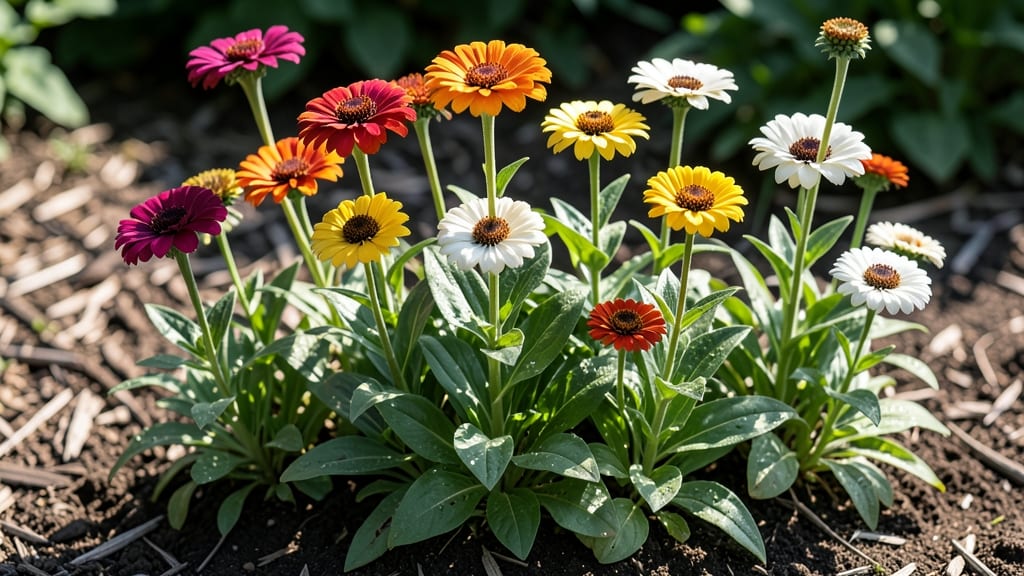
Wondering how tall zinnia flowers grow can make all the difference in designing a garden that pops with color and structure? These cheerful blooms come in a surprising range of heights, from petite 6-inch dwarfs to towering 4-foot giants that steal the show.
If you're planning your garden layout, knowing these height variations is key—especially when pairing zinnias with other plants. A 2-foot variety might work perfectly in front of your patio, while a 3-foot tall zinnia could anchor the back of a border.
The right placement ensures every bloom gets the sunlight and airflow it needs to thrive.
But here's the thing: height isn't just about looks. Proper spacing and care can actually help zinnias reach their full potential. Whether you're growing zinnias for cut flowers or just to brighten up your space, understanding their growth habits will save you from overcrowding or underwhelming displays.
Let's break down the different zinnia varieties by height, plus the simple tricks to maximize their growth—so you can create a garden that's as stunning as it is functional.


Zinnia flower height by variety: a complete growth chart for gardeners
Zinnias are one of the most versatile annual flowers in any garden, offering bright colors and long-lasting blooms. But before you plant, understanding how tall zinnia flowers grow helps you plan your garden layout—whether you want them as front-row accents or towering backdrop plants.
The height of zinnias varies dramatically by variety, ranging from tiny 6-inch dwarfs to 4-foot giants.
Choosing the right height ensures your zinnias thrive without crowding neighbors or flopping over. Dwarf varieties work perfectly in containers or borders, while tall zinnias create stunning focal points.
Let’s break down the height ranges, spacing needs, and best uses for each category—so you can pick the perfect zinnias for your space.
| Variety Type | Height Range | Ideal Spacing | Best For | Example Varieties |
|---|---|---|---|---|
| Dwarf Zinnias | 6–12 inches | 6–9 inches apart | Containers, borders, edging | 'Thumbelina', 'Crystal', 'Zahara Mini Mix' |
| Semi-Dwarf Zinnias | 12–18 inches | 9–12 inches apart | Mid-border, cut flowers | 'Benary’s Giant', 'Persian Carpet' |
| Standard Zinnias | 18–24 inches | 12–18 inches apart | Backdrop, pollinator gardens | 'Profusion', 'State Fair', 'Lilac Beauty' |
| Tall/Giant Zinnias | 24–48+ inches | 18–24 inches apart | Cut flowers, focal points | 'Magellan', 'Envy', 'Peach Dazzler' |
🌼 Pro Tip: Always check seed packets for exact height—some varieties can vary by 2–4 inches!
If you’re working with limited garden space, dwarf zinnias like 'Thumbelina' (6–8 inches) are ideal for container gardens or window boxes. These compact varieties also work beautifully in rock gardens or as edging plants along pathways.
Their small stature makes them perfect for urban gardeners with patios or balconies.
For mid-border planting, semi-dwarf zinnias (12–18 inches) strike the perfect balance. Varieties like 'Persian Carpet' create a lush, continuous bloom effect when spaced 9–12 inches apart.
These are also great for cut-flower arrangements—their sturdy stems hold up well in vases. Pair them with salvias or coreopsis for a long-lasting summer display.
When you need height and drama, standard zinnias (18–24 inches) are the workhorses of the garden. 'Profusion' and 'State Fair' are pollinator magnets, attracting bees and butterflies while adding vertical interest to beds.
Space them 12–18 inches apart to prevent overcrowding and ensure good airflow, which reduces powdery mildew risk.
The tallest zinnias (24–48+ inches) deserve their own spotlight. Varieties like 'Magellan' (up to 4 feet!) make stunning cut flowers and serve as backdrop plants in mixed borders.
To support their top-heavy blooms, plant them in well-draining soil and stake them early—especially in windy areas. These giants thrive when spaced 18–24 inches apart.
One common mistake gardeners make is underestimating zinnia growth. Always leave extra space—zinnias fill out quickly once established. For example, a 24-inch zinnia can easily spread to 30 inches with proper care. Overcrowding leads to poor airflow, which invites pests and diseases.
If you’re unsure, err on the side of more spacing.
For container gardening, stick to dwarf or semi-dwarf varieties in 5–7 gallon pots. Larger zinnias need deep containers (at least 12 inches deep) to support their root systems.
Mix in compost at planting to give them a nutrient boost—this encourages taller, stronger stems, especially in tall varieties.
No matter which height you choose, deadheading spent blooms is key to encouraging continuous flowering and maximizing height potential. Pinch back leggy stems early to promote bushier growth. With the right variety and care, your zinnias
How to choose zinnia heights for your garden layout and seasonal blooms
Zinnias are one of the most versatile annual flowers, offering height diversity that can transform your garden from front-row borders to towering backdrops. When planning your seasonal blooms, height isn't just about aesthetics—it directly impacts airflow, sunlight exposure, and even cut-flower longevity.
For example, dwarf varieties (6–12 inches) thrive in containers and edging, while tall varieties (36–48 inches) create stunning focal points. The key is matching each variety's mature height to its placement in your garden design.
Let's explore how to strategically place zinnias based on their height to maximize your garden's visual impact while ensuring healthy growth.
Whether you're creating a pollinator-friendly meadow or a structured cut-flower garden, understanding these height guidelines will help you avoid common mistakes like overcrowding or blocking sunlight from shorter plants. I'll also share how height affects bloom duration and cut-flower vase life—critical factors for gardeners who love fresh bouquets.
When selecting zinnias for your garden, consider how their height will interact with companion plants. For instance, pairing tall zinnias (36+ inches) with low-growing marigolds creates a natural transition in height while attracting beneficial insects.
I've found that medium-height zinnias (18–24 inches) work exceptionally well in cut-flower arrangements because their sturdy stems hold up better in vases than their shorter counterparts.
Another pro tip: Taller zinnias often produce larger blooms but may require staking, while dwarf varieties are more drought-tolerant and perfect for xeriscaping. For example, the 'Crystal' series (6–12 inches) thrives in container gardens with minimal watering, while 'Profusion' series (12–18 inches) offers continuous blooms from summer to frost.
Always check the mature height on seed packets to avoid surprises!
For seasonal planning, I recommend planting tall zinnias in early spring (April) for late-summer blooms, while dwarf varieties can be sown later (June) for fall color. This staggered approach ensures your garden stays vibrant from June through October.
And remember—deadheading (removing spent blooms) extends the flowering season for all varieties, regardless of height.
If you're growing zinnias for cut flowers, height matters for vase life. Taller stems (36+ inches) provide more water-holding capacity, keeping cut flowers fresh for 7–10 days, while shorter stems may only last 3–5 days.
To maximize longevity, harvest in the early morning and recut stems under water. For the longest-lasting bouquets, mix medium and tall varieties in your arrangements.