
Size
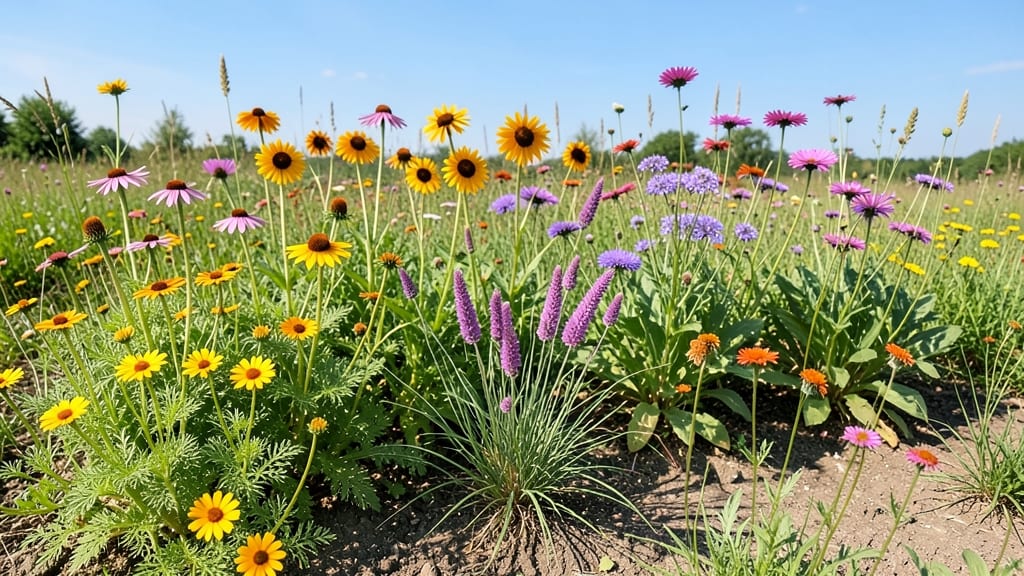
If you’ve ever wondered how tall wildflowers 🌼 can grow, the answer might surprise you—some barely peek above your shoes, while others stretch taller than you are!
Understanding their height ranges is the key to designing a garden that thrives, whether you’re creating a cozy border, a sprawling meadow, or a pollinator paradise.
Wildflowers like sunflowers can reach 6 feet or more, while delicate varieties like baby’s breath stay under 2 feet. The difference isn’t just about aesthetics—it affects spacing, sunlight access, and even which pollinators visit your garden. Get this right, and your wildflowers will flourish with minimal effort.
In this guide, I’ll break down the height ranges of popular wildflowers so you can plan your garden like a pro. From dwarf varieties perfect for containers to towering giants that attract bees and butterflies, you’ll learn how to mix heights for a balanced, beautiful look.
Ready to transform your outdoor space? Let’s dive into the world of wildflowers and discover which heights work best for your vision—whether you’re dreaming of a wildflower meadow or a tidy garden border.


Wildflower height ranges by growth habit: dwarf to giant varieties
Understanding wildflower height ranges is the first step to designing a garden that thrives with diversity. From dwarf varieties perfect for containers to giant sunflowers that attract towering pollinators, each height category serves a unique purpose in your landscape.
I’ve grown everything from ground-hugging alyssum to 6-foot-tall coneflowers, and the spacing alone can make or break your garden’s harmony.
Height isn’t just about aesthetics—it directly impacts pollinator access, wind resistance, and even soil erosion control. For example, tall wildflowers like sunflowers provide landing platforms for bees, while low-growing varieties protect soil moisture.
Let’s explore how to match wildflowers to your space, whether you’re crafting a wildflower meadow or a container garden.
Pro Tip: Always check mature height labels on seed packets—what starts as a tiny seed can become a 6-foot giant in one season! I’ve learned this the hard way when giant sunflowers outgrew their intended spot and blocked sunlight for shorter neighbors.
| Height Category | Examples | Best For | Spacing |
|---|---|---|---|
| Dwarf (<6") | Sweet Alyssum, Baby's Breath, Thyme | Containers, rock gardens, pollinator borders | 6-12" apart |
| Semi-Dwarf (6"-24") | Coneflower, Black-Eyed Susan, Lavender | Front of borders, meadow edges, pollinator gardens | 12-18" apart |
| Medium (24"-48") | Bee Balm, Goldenrod, Blanket Flower | Back of borders, wildlife corridors, cut flower gardens | 18-24" apart |
| Tall (48"-72") | Sunflower, Tall Garden Phlox, Giant Fleabane | Meadows, back of beds, privacy screens | 24-36" apart |
| Giant (72"+) | Tall Sunflower, Giant Coreopsis, Russian Sage | Wildlife habitats, large meadows, statement pieces | 36-48" apart |
If you’re planting a wildflower meadow, start with tall varieties in the back and work your way forward to dwarf species. This creates a natural vertical layering that mimics how wildflowers grow in nature.
I once designed a meadow where 6-foot sunflowers stood behind 2-foot coneflowers, and the effect was stunning—like a living tapestry.
For container gardening, stick to dwarf and semi-dwarf varieties like sweet alyssum or lavender. These thrive in small spaces and spill beautifully over edges. I keep a collection of window-box wildflowers that attract hummingbirds all summer long—just 6 inches tall but packed with pollinator power!
Native wildflowers often have the most ecosystem benefits, and their heights vary dramatically by region. For example, prairie coneflowers can reach 4 feet, while coastal wildflowers like lupine stay under 2 feet. Always research native species in your area—they’re the easiest to grow and support local wildlife the best.
One mistake I see often? Overcrowding tall wildflowers. Give sunflowers and giant fleabane plenty of room—they need 24-36 inches of space to avoid shading out neighbors. I’ve had to stake tall varieties in windy areas to prevent them from flopping over and blocking sunlight for shorter plants.
Height also affects maintenance needs. Tall wildflowers may require staking or pruning to keep them upright, while dwarf varieties need minimal care. I like to deadhead spent blooms on medium-height flowers like bee balm to encourage continuous flowering throughout the season.
For pollinator gardens, mix heights to create a multi-level buffet. Butterflies love tall nectar sources like milkweed, while bees prefer low-growing clover. I’ve seen monarchs fluttering between 6-foot milkweed and 6-inch alyssum in the same garden—it’s like a pollinator playground!
Remember, wildflower heights can vary based on soil quality, sunlight, and water availability. Rich soil might make your coneflowers grow taller than expected, while drought conditions could stunt giant fleabane. Always adjust spacing based on your growing conditions—flexibility is key in gardening!
Best wildflowers for small spaces vs. large meadows by height
Choosing wildflowers based on height is like building a living tapestry—each variety plays a unique role in your garden’s structure. For small spaces like patios or window boxes, dwarf varieties create lush borders without overwhelming your view, while tall wildflowers in large meadows provide vertical drama and shelter for pollinators.
The key is balancing heights to avoid overcrowding while maximizing visual impact and ecosystem benefits.
Tall wildflowers like sunflowers (Helianthus annuus) and tall garden phlox (Phlox paniculata) can reach 6 feet or taller, making them ideal for meadows or borders where they can shine.
In contrast, sweet alyssum (Lobularia maritima) and creeping thyme (Thymus serpyllum) stay under 12 inches, perfect for edging pathways or container gardens. Mixing these heights creates depth and movement in your landscape.
Here’s how to decide which wildflowers fit your space—and how to arrange them for the best results:
Wildflower Height Comparison
- 🌱 Sweet Alyssum: 6–12" | Spacing: 6–8" apart
- 🌱 Baby’s Breath (Gypsophila): 12–18" | Spacing: 8–10" apart
- 🌱 Creeping Thyme: 3–6" | Spacing: 12–18" apart
- 🌻 Sunflower: 4–6+ ft | Spacing: 12–18" apart
- 🌷 Tall Garden Phlox: 3–5 ft | Spacing: 12–18" apart
- 🌼 Milkweed (Asclepias): 2–4 ft | Spacing: 18–24" apart
When planting for small spaces, prioritize wildflowers that stay compact, like sweet alyssum or creeping phlox (Phlox subulata). These thrive in containers or narrow beds, offering color and pollinator support without sprawling.
Space them 6–12 inches apart to prevent overcrowding, and pair them with dwarf lavender (Lavandula angustifolia) for a fragrant, low-maintenance combo.
For large meadows, taller wildflowers like sunflowers and black-eyed Susans (Rudbeckia) create dramatic backdrops. Plant them in clusters with medium-height varieties (2–4 ft) like coneflowers (Echinacea) to add layers and attract bees. Space tall wildflowers 12–18 inches apart to allow airflow, reducing disease risk and encouraging robust growth.
Don’t forget to consider companion planting! Tall wildflowers cast shade, so pair them with shade-tolerant varieties like wild bergamot (Monarda fistulosa) at their base. In small spaces, use vertical structures like trellises for climbing wildflowers like morning glories (Ipomoea) to maximize height without taking up ground space.
With the right mix, your garden will buzz with life—literally! Tall wildflowers provide perches for butterflies and hummingbirds, while low-growing varieties offer ground cover for bees and beneficial insects.
Start small, observe how your plants grow, and adjust spacing as needed. Your garden will thank you with vibrant blooms and thriving pollinators all season long. 🌿