
Flowers
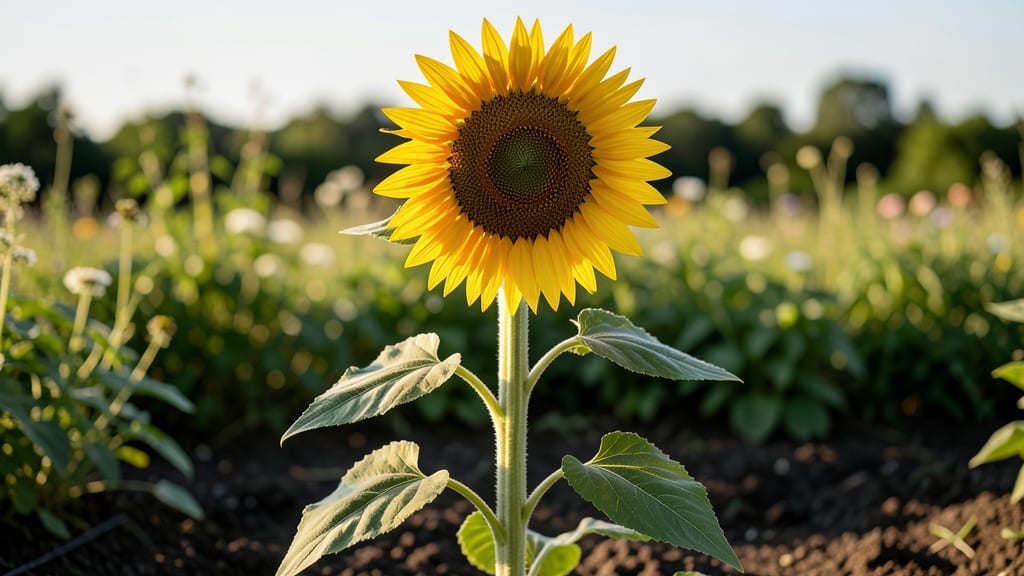
If you’ve ever dreamed of growing a 🌻 Giant Sunflower and wondered how tall do giant sunflowers grow, you’re in for a treat—because some varieties can reach 12 to 20 feet high, turning your garden into a sunlit skyscraper.
But how do these towering beauties grow so massive, and what does it take to nurture them from seed to sky?
The secret lies in their genetics, soil conditions, and a little extra care. Unlike their shorter cousins, these mammoth sunflowers need rich, well-draining soil and plenty of sunlight to fuel their rapid growth—sometimes adding 4 inches per day during peak season.
With the right variety and support, you could soon be admiring a sunflower taller than your house!
Whether you’re a seasoned gardener or just starting out, understanding the factors that influence their height is key. From spacing to staking, I’ll walk you through the essentials to help your Giant Sunflower reach its full potential. Let’s get growing!
Ready to plant the seeds of a sunflower that will leave your neighbors in awe? The journey starts with knowing exactly what these giants need to thrive. Here’s how to set them up for success from day one.


Giant sunflower varieties: height records and fastest-growing mammoth types
If you’ve ever dreamed of growing sunflowers that rival small trees, you’re in the right place. Giant sunflower varieties like 'Mammoth Russian' and 'American Giant' can reach staggering heights of 12 to 18 feet, with some exceptional specimens even topping 20 feet.
These aren’t your average sunflowers—they’re the superstars of the Helianthus annuus family, capable of growing up to 4 inches per day under ideal conditions. Their towering presence makes them a showstopper in any garden, but their rapid growth also means they require special care to thrive.
The tallest sunflower varieties aren’t just about height—they’re also about growth speed, stem strength, and adaptability. Unlike dwarf or standard sunflowers that max out around 5 feet, these mammoth types demand rich soil, full sun exposure, and proper support to prevent lodging.
Without the right conditions, even the most promising seedlings can struggle to reach their full potential. Let’s explore the fastest-growing giant sunflower varieties and what sets them apart from their shorter cousins.
The 'Mammoth Russian' variety holds the crown for height records, with some gardeners reporting plants that breach the 20-foot mark under perfect conditions
How to grow towering giant sunflowers: soil, sun, and spacing secrets
To grow giant sunflowers that reach their full 12-20 foot potential, you need to focus on three critical factors: nutrient-rich soil, full sun exposure, and proper spacing. These towering plants aren't just about genetics—they demand ideal growing conditions to fuel their rapid vertical growth.
Without these, even the hardiest varieties like 'Mammoth Russian' will struggle to reach their skyward potential.
I’ve learned from experience that soil quality is the foundation for giant sunflower growth. These plants thrive in well-draining, loamy soil with a pH between 6.0 and 7.0.
Amending your garden with compost or aged manure before planting provides the essential nutrients they need to grow at their fastest rate—sometimes 4 inches per day during peak season. Skipping this step often results in stunted growth, no matter how much sun they get.
⚠️ WARNING: Common Mistakes That Stunt Growth ⚠️
Insufficient Sunlight: Giant sunflowers need 6+ hours of direct sunlight daily. Even partial shade can reduce growth rates by up to 50%. Choose the sunniest spot in your garden for these giants.
Overcrowding: Planting seeds too closely (less than 18 inches apart) leads to competition for nutrients and weak stems. Proper spacing is key to preventing lodging and supporting tall growth.
For optimal sunlight, select a location that receives full sun exposure from morning until at least mid-afternoon. Giant sunflowers are heliotropic, meaning they follow the sun’s path—this behavior helps them maximize energy production for rapid growth.
If you’re in a windy area, consider planting them near a windbreak or fence to prevent stem damage that could reduce their height.
Proper spacing between plants is often overlooked but critical for tall growth. Space your giant sunflower seeds 18-24 inches apart in rows that are 2-3 feet apart. This gives their thick stems room to develop without competing for water and nutrients.
I’ve seen firsthand how overcrowding leads to weak stems that can’t support the plant’s weight, resulting in lodging (when the stem bends or breaks under its own weight).
Watering plays a pivotal role in achieving maximum height. Giant sunflowers need deep, consistent watering—about 2 liters per plant every 3-5 days during their growing season. Watering in the early morning prevents fungal diseases and ensures roots absorb moisture efficiently.
Avoid overhead watering, as wet foliage can attract pests and diseases that weaken the plant.
For wind-prone areas, use stakes or cages to support tall stems. Install 3-foot stakes at planting and gently tie the main stem to the stake as it grows using soft plant ties.
This prevents the stem from bending under wind stress, allowing the sunflower to grow straight and reach its full height. Some gardeners also use tomato cages for extra support, which works well for varieties like 'American Giant' that can top 15 feet.