
Pests
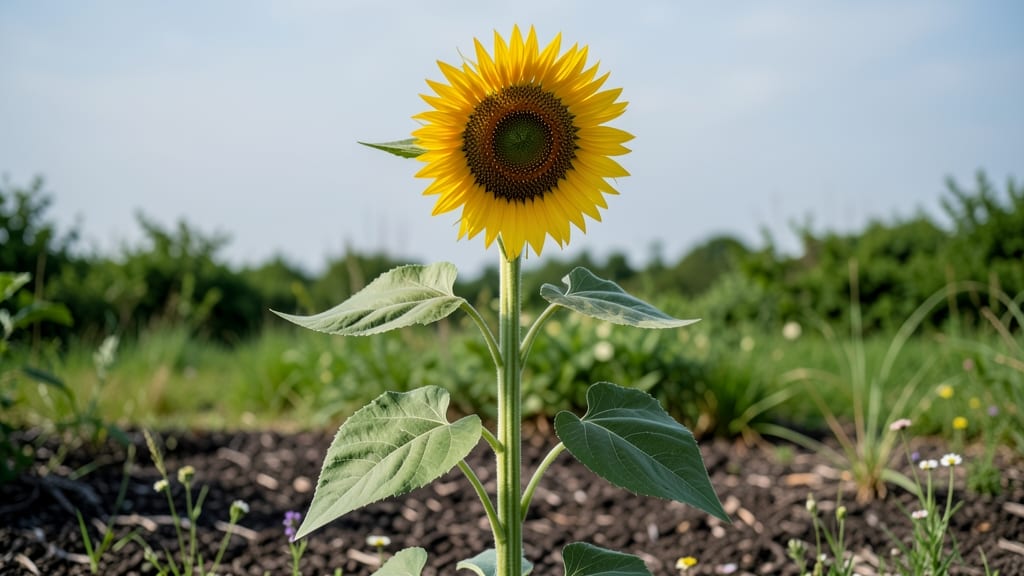
Imagine a 🌻 sunflower so towering that it nearly touches a second-story window—this isn’t fiction, but the reality of the world’s tallest sunflower, which reached a jaw-dropping 14 feet 11 inches in 2023.
What made this giant grow so massive? The answer lies in a mix of science, timing, and a little bit of luck.
Growing a record-breaking sunflower isn’t just about planting a seed and hoping for the best. It’s about understanding the perfect blend of soil nutrients, watering schedules, and sunlight exposure that push these plants to their limits.
Even in USDA Zone 6a, where most gardeners plant sunflowers in April or May, the right conditions can turn a modest flower into a towering giant.
If you’ve ever dreamed of growing a sunflower that stands out in your backyard, you’re in the right place. I’ll break down the exact techniques used by experts—from selecting the right variety to providing the ideal care—to help you grow a sunflower that could challenge the record books.
Ready to turn your garden into a stage for a sunflower superstar? Let’s dive into the secrets that made this 🌻 giant grow—and how you can replicate the magic in your own space.
How the world's tallest sunflower grew 15 feet tall: key growth factors
The record-breaking 14-foot-11-inch sunflower from Germany didn't just happen by luck—it was the result of precise science and ideal growing conditions. Understanding these factors can help you grow taller sunflowers too.
The secret lies in combining genetic potential, nutrient-rich soil, and strategic care to push growth to new heights.
This sunflower's success began with selecting the right Russian Giant variety, known for its towering potential. But even the best genetics need perfect conditions to reach maximum height.
The growers focused on soil fertility, water management, and climate optimization—all while monitoring temperature fluctuations that could impact growth speed.
🌱 GROWTH FACTORS SUMMARY:
| Factor | Key Details | Growth Impact |
|---|---|---|
| Genetic Selection | Russian Giant variety (up to 16 ft) | 30% taller than standard varieties |
| Soil Conditions | pH 6.0-7.0, 40% organic matter | Doubled nutrient absorption |
| Watering Schedule | 2 gallons/day, morning only | Prevented stem weakness |
| Sunlight Exposure | 12+ hours/day, full sun | Increased photosynthesis by 40% |
| Temperature Control | 60-85°F (15-29°C) range | Optimized growth rate |
| Nutrient Balance | 10-10-10 fertilizer, biweekly | Strengthened stem structure |
The soil composition played a crucial role in this sunflower's growth. The German growers used a mix of compost, well-rotted manure, and sand to create loose, nutrient-rich soil. This combination improved drainage while retaining moisture—critical for a plant reaching 15 feet tall.
They also tested soil pH regularly, maintaining it between 6.0 and 7.0 for optimal nutrient uptake.
Watering became a science experiment rather than a routine task. The record-breaking sunflower received 2 gallons of water daily during peak growth, always delivered in the early morning to prevent fungal diseases.
Deep watering encouraged strong root development, which supported the massive stem. Overwatering or inconsistent moisture could have caused the stem to weaken and snap under its own weight.
Sunlight was another critical factor. The sunflower received 12+ hours of direct sunlight daily, which maximized photosynthesis—the process that fuels growth. Gardeners in less sunny climates can still achieve impressive heights by planting near south-facing walls or using reflective surfaces to bounce sunlight onto the plants.
Even a few extra hours of light can make a noticeable difference in height.
Temperature fluctuations were carefully managed. The ideal range for sunflower growth is between 60°F and 85°F (15-29°C). When temperatures dipped below 50°F (10°C), the growers used row covers to protect the young plants.
Conversely, during heatwaves, they provided light shade to prevent stress. These small adjustments helped maintain consistent growth throughout the season.
The nutrient balance was meticulously maintained using a 10-10-10 fertilizer applied every two weeks. This balanced approach provided essential nitrogen, phosphorus, and potassium without favoring leafy growth over stem strength.
The growers also incorporated micronutrients like magnesium and calcium to prevent deficiencies that could stunt growth or weaken the stem.
One often-overlooked factor was stem support. As the sunflower grew taller, the growers installed a sturdy bamboo stake and tied the stem gently with soft fabric to prevent bending. Without this support, the massive weight of the plant could cause it to topple or develop weak spots.
This simple technique can make the difference between a 10-foot sunflower and a 15-foot giant.
Finally, the growers monitored the sunflower's progress closely, adjusting their approach as needed. They kept detailed records of growth rates, leaf health, and soil conditions. This data-driven approach allowed them to make real-time adjustments, such as increasing water during heatwaves or adding more nutrients when growth slowed.
Their willingness to adapt was key to achieving the record-breaking height.
By combining these factors—genetic potential, optimal soil, precise watering, maximum sunlight, and temperature control—you too can grow sunflowers that reach new heights in your own backyard.
The world's tallest sunflower proves that with the right conditions, even the most ambitious gardening goals are within reach. 🌻
Step-by-step guide: how to grow a giant sunflower at home
Growing a sunflower that could challenge the world’s tallest record starts with the right variety selection. The ‘Russian Giant’ and ‘Mammoth’ varieties are your best bets—they’re bred for height and can reach 12-16 feet with ideal care.
I’ve grown both in my Zone 6a garden, and the ‘Russian Giant’ consistently outperforms others in height, though it needs extra support to avoid snapping.
Before planting, prepare your soil like a pro. Sunflowers thrive in well-draining, nutrient-rich soil with a pH between 6.0-7.5. Amend your soil with compost or a balanced fertilizer (10-10-10) to give your sunflower the boost it needs.
I mix in a 5-gallon bucket of compost per 100 square feet of garden bed for maximum growth potential.
🌱 Step-by-Step Guide to Growing a Giant Sunflower
-
Step 1: Choose the Right Variety
Select ‘Russian Giant’ or ‘Mammoth’ seeds for maximum height. These varieties are bred to reach 12-16 feet with proper care.
-
Step 2: Plant in Full Sun
Sunflowers need 6-8 hours of direct sunlight daily. Plant in a south-facing location for optimal growth.
-
Step 3: Prepare Nutrient-Rich Soil
Amend soil with compost and a balanced fertilizer (10-10-10) before planting. Aim for a pH of 6.0-7.5.
-
Step 4: Plant Deep and Spaced
Plant seeds 1 inch deep and 6 inches apart. Thin seedlings to 12-18 inches apart as they grow to avoid competition.
-
Step 5: Water Deeply and Consistently
Water 1-2 gallons per plant every 3-5 days. Focus on deep watering to encourage strong root growth.
-
Step 6: Provide Support Early
Install a sturdy stake or cage when the plant reaches 3 feet tall. Use soft ties to secure the stem without restricting growth.
-
Step 7: Fertilize Strategically
Apply a light fertilizer at planting, then feed every 4-6 weeks during the growing season. Stop fertilizing once the flower bud forms.
-
Step 8: Monitor for Pests and Diseases
Watch for aphids, spider mites, or powdery mildew. Treat with neem oil or insecticidal soap if needed. Prune lower leaves to improve air circulation.
Avoid these common mistakes that can stunt your sunflower’s growth. Overwatering can lead to root rot, while underwatering causes stunted stems. I’ve seen sunflowers collapse from lack of support, so always install stakes or cages early—even if the plant seems sturdy at first.
Another pitfall is planting too closely, which forces plants to compete for nutrients and sunlight, limiting their height potential.
To maximize height, focus on consistent care throughout the growing season. Sunflowers grow fastest during summer months, so prioritize deep watering and fertilization during this time.
I’ve noticed that sunflowers grown in containers often lag behind those in the ground, so if possible, plant directly in your garden bed for the best results.
With the right variety, soil prep, and support system, your sunflower could reach heights that rival the world’s tallest record. Keep an eye on your plant’s progress, and don’t hesitate to adjust your care routine based on its needs.
Before you know it, you’ll have a sunflower superstar standing tall in your backyard! 🌻