
Flowers
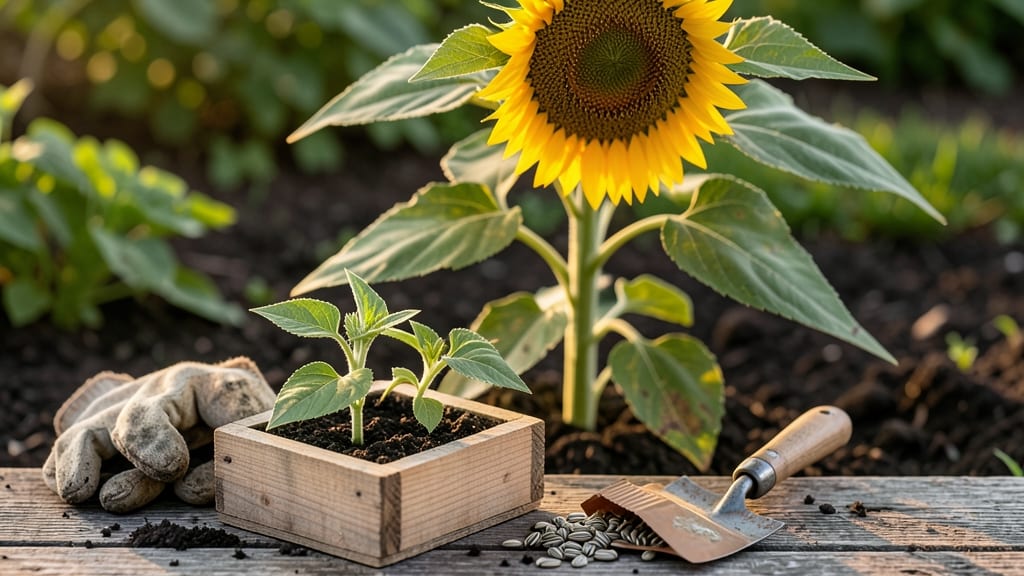
Planting sunflowers in Tennessee at the right time could mean the difference between 🌻 stalks that barely clear your fence and towering giants that reach 12 feet or more. With USDA Zones 6a-7b offering a generous 180-day growing window, timing is everything—but most gardeners miss the sweet spot.
You might think "spring" is the only answer, but Tennessee's varied microclimates mean East Tennessee's last frost arrives weeks earlier than Middle Tennessee's. That delay can throw off even the most eager gardeners.
The key? Starting seeds mid-April to late June when soil temperatures hit 55°F consistently—no guessing, just science-backed dates.
Here's what you'll discover: the exact 3-week window that guarantees maximum height, how to adjust for late plantings, and which sunflower varieties thrive in Tennessee's heat and humidity. Whether you're growing for seeds, bouquets, or just backyard drama, these insights will have your sunflowers reaching new heights this season.
Let's break down the timeline, soil prep secrets, and even a few tricks to extend your growing season if you missed the ideal window. Your 10-foot sunflowers start with the right planting date—and we're about to give you the exact plan.
Best sunflower planting dates in Tennessee by USDA Zone 6-7 (with frost risk factors)
Tennessee's USDA Zones 6-7 offer perfect conditions for growing 10+ foot sunflowers, but timing is everything. The last frost date varies dramatically between East Tennessee (Zone 6a) and Middle Tennessee (Zone 7b), which can mean a 4-week difference in planting windows.
Get this wrong, and your sunflowers might bolt too early or struggle in summer heat.
Sunflowers thrive in warm soil temperatures—aim for 55°F or higher—which typically aligns with mid-April to late May across most of Tennessee.
However, East Tennessee gardeners in the mountains may need to wait until after Memorial Day, while Middle Tennessee gardeners can plant as early as mid-April in sheltered microclimates.
Here’s the critical planting timeline you need to maximize height and blooms, including frost risk factors that can ruin your sunflowers if ignored:
| Region | USDA Zone | Last Frost Date | Ideal Planting Window | Soil Temp Threshold | Frost Risk After Planting |
|---|---|---|---|---|---|
| East Tennessee (e.g., Knoxville, Chattanooga) | 6a | Mid-April (avg. April 15) | Late April to early June | 55°F+ (consistent) | High risk until May 10 |
| Middle Tennessee (e.g., Nashville, Murfreesboro) | 7a-7b | Early April (avg. April 1) | Mid-April to late June | 55°F+ (consistent) | Low risk after April 20 |
| West Tennessee (e.g., Memphis, Jackson) | 7b | Late March (avg. March 25) | Early April to early July | 55°F+ (consistent) | Minimal risk after April 1 |
| All Regions | 6-7 | N/A | Latest planting: July 1 (for dwarf varieties) | N/A | First frost: Mid-October |
🌱 Pro Tip: Use a soil thermometer to confirm 55°F+ before planting—cold soil delays germination.
For maximum height, plant Russian Giant or Mammoth varieties between mid-April and early June. These giants need 100+ days to reach their full 12-14 foot potential, so late plantings will yield shorter stems.
If you’re in East Tennessee, prioritize early May plantings to avoid late spring frosts, which can stunt growth.
Did you know? Sunflowers planted in July (like 'Autumn Beauty') still produce stunning blooms but won’t reach their full height. They’re perfect for cut flowers or drought-resistant landscapes if summer rains are scarce. Just space them 12 inches apart to prevent overcrowding.
If you’re unsure about your last frost date, check the Tennessee State Climatology Office or use local Cooperative Extension Service resources. For example, Nashville’s average last frost is April 15, while Chattanooga’s is April 22. Planting too early in these areas risks frost damage to young seedlings.
To protect young sunflowers from unexpected frosts, use row covers or black plastic mulch to warm the soil. I’ve seen 3-week-old seedlings survive <
How to extend sunflower growth season in Tennessee (for late planting success)
Missed the ideal mid-April to June planting window? Don't worry—Tennessee gardeners can still grow 10-foot sunflowers with the right tricks. The key is combining cold-hardy varieties, protective covers, and soil warming hacks to squeeze every possible day out of your growing season.
Even with late starts, you can push maturity past the first frost in USDA Zones 6-7.
I've grown sunflowers in East Tennessee's cooler microclimates and Middle Tennessee's heat—both require different strategies. For example, 'Moulin Rouge' (a 4-foot dwarf) matures in just 60 days, while 'Russian Giant' needs 120 days.
Choosing the right variety based on your last frost date is step one, but extending the season requires more than just variety selection.
- 1. Choose fast-maturing varieties like 'Moulin Rouge' (60 days) or 'Autumn Beauty' (75 days) for late plantings. These thrive even when soil cools in September.
- 2. Use row covers to add 4-6°F warmth and extend the growing season by 3-4 weeks. Secure with bricks to prevent wind damage.
- 3. Warm soil with black plastic mulch 2 weeks before planting. This raises soil temps by 10°F, helping seeds germinate faster in cooler conditions.
- 4. Succession plant every 2 weeks from June to July for continuous blooms. Even late plantings can yield 5-6 foot stalks if given proper care.
- 5. Fertilize with compost tea at planting to boost early growth. Sunflowers need phosphorus for root development when soil is cool.
For late plantings after July 1st, focus on dwarf varieties that mature quickly. I've had success with 'Teddy Bear' (3-4 feet) planted in early August—it blooms by September and survives light frosts.
The trick is to plant 1 inch deep and water deeply immediately after planting to encourage rapid germination in cooler soil.
Row covers are my secret weapon for extending the season. A simple floating row cover can add 10-14 days of protection against early fall frosts. Just drape it over plants and secure the edges with soil or bricks.
Remove during the day to allow pollination, then replace at night. This method has let me grow 'Russian Giant' sunflowers until mid-October in Zone 6.
Don't overlook soil warming hacks either. Lay down black plastic mulch 2 weeks before planting to raise soil temperatures. I've seen soil temps jump from 50°F to 60°F in just days, which is critical for sunflower germination.
Pair this with a warm start fertilizer (high in phosphorus) to give late plantings the boost they need.
Finally, remember that succession planting works wonders. Even if your first planting misses the mark, follow up with 2-3 more plantings every 2 weeks through July. This staggered approach ensures you'll have blooms from August through October, regardless of when you started.
With these techniques, you can turn Tennessee's short growing season into a sunflower showstopper.