
Blooming
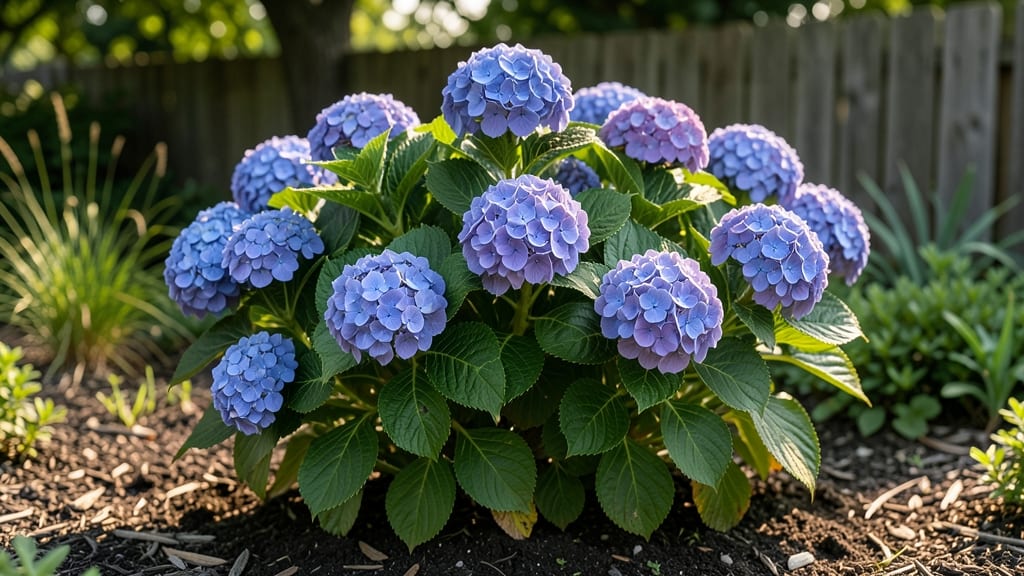
If you're dreaming of hydrangea flower time transforming your garden into a vibrant oasis, timing is everything—and it all starts with where you live.
In USDA Zone 6a, where I garden, those iconic 🌸 blooms typically burst open between June and September, but the real magic happens in the months leading up to planting.
Here's the catch: not all hydrangeas bloom on the same schedule, and skipping the right steps can leave you staring at bare branches when your neighbors' gardens are in full color.
Whether you're dealing with mopheads, panicles, or oakleaf varieties, understanding your zone's deadlines—and how to adjust care—is the difference between weeks of frustration and months of stunning floral displays.
I've learned the hard way that pruning at the wrong time or missing fertilizer windows can delay blooms by 30 days or more. But the good news?
With a few simple adjustments—like knowing when to feed or when to trim—you can push those blooms earlier, extend their season, or even coax second rounds of flowers.
Let’s break down exactly what you need to do to sync your hydrangeas with peak bloom time, no matter where you’re gardening. Your 🌸 dream garden starts with these proven strategies.
When do hydrangeas bloom in your USDA zone? Exact timelines by type
Hydrangeas are famous for their show-stopping blooms, but their flowering timeline depends heavily on your USDA zone and the hydrangea type you’re growing. Mophead, panicle, and oakleaf varieties each have unique schedules, with first-year plants often blooming later than mature shrubs.
Understanding these deadlines helps you adjust care—like pruning or fertilizing—to maximize your blooms.
In warmer zones (8-11), hydrangeas typically bloom from late spring to early fall, while cooler zones (3-7) see shorter seasons, often June through August.
The key difference? Cold-sensitive varieties like oakleaf hydrangeas may delay blooming until after the last frost, while panicle types thrive in heat and can rebloom if pruned correctly.
Below is your zone-by-zone breakdown for hydrangea flower time, including first-year expectations and mature plant schedules. Use this to plan your pruning and fertilizing for peak performance.
| USDA Zone | Hydrangea Type | First-Year Bloom Time | Mature Bloom Time | Key Care Adjustment |
|---|---|---|---|---|
| 3-5 | Mophead | Late June - July | June - August | Prune in late winter (after frost danger). |
| 3-5 | Panicle | July - August | July - September | Prune in early spring for reblooms. |
| 3-5 | Oakleaf | August - September | July - October | Mulch heavily in fall for winter protection. |
| 6-7 | Mophead | Mid-June - July | June - September | Fertilize in early spring with high phosphorus. |
| 6-7 | Panicle | Late June - August | June - October | Prune in late winter to encourage new growth. |
| 6-7 | Oakleaf | July - September | June - November | Water deeply in drought periods. |
| 8-9 | Mophead | May - June | April - July | Prune in late winter to avoid heat stress. |
| 8-9 | Panicle | June - August | May - September | Prune in early spring for extended blooms. |
| 8-9 | Oakleaf | June - August | May - October | Provide afternoon shade in hot zones. |
| 10-11 | Mophead | April - May | March - June | Prune in late winter for early blooms. |
| 10-11 | Panicle | May - July | April - August | Fertilize in early spring for vibrant blooms. |
How to extend hydrangea flower time: pruning & care hacks by seasonHydrangeas are the stars of summer gardens, but their bloom time can feel frustratingly short—especially if you’ve ever watched flowers fade too soon. The secret to longer-lasting blooms lies in seasonal pruning, soil adjustments, and timely care. By mastering these techniques, you can stretch your hydrangea’s show from 6 to 8+ weeks, even in challenging climates. First, understand that hydrangea types bloom differently. Mophead and lacecap varieties set buds on old wood (last year’s growth), while panicle types bloom on new wood (current year’s growth). This distinction changes when and how you prune—and directly impacts flower timing. For example, pruning mopheads in late winter risks cutting off next year’s blooms, while panicles thrive with early spring cuts. ⚠️ WARNING: Pruning Mistakes Can Ruin Your Blooms Pruning at the wrong time is the #1 reason hydrangeas fail to perform. For mophead varieties, avoid heavy cuts until after flowering (late summer). For panicle types, prune in late winter/early spring to encourage robust new growth. Oakleaf hydrangeas are the most forgiving—prune lightly in late winter or summer without risking blooms. Always use clean, sharp shears to prevent disease, and never prune more than ⅓ of the plant in one session. Soil pH plays a surprising role in bloom duration. Hydrangeas thrive in acidic soil (pH 5.2–6.0) for blue flowers or alkaline soil (pH 6.0–7.0) for pink blooms. To test your soil, grab a DIY pH kit ($10) or send a sample to your local Cooperative Extension Service. Adjust pH with elemental sulfur (to lower pH) or lime (to raise pH) in early spring. Pro tip: Add 2–3 inches of mulch (pine bark or oak leaves) annually to maintain soil acidity naturally. Watering strategy can add 2+ weeks to your hydrangea’s bloom time. These plants hate drought stress, which causes buds to drop prematurely. Water deeply 2–3 times per week during summer, aiming for 1–2 gallons per plant. Use a moisture meter to check soil depth—hydrangeas prefer consistently damp (not soggy) soil. In containers, water every 2–3 days since potted plants dry out faster. Always water at soil level (not overhead) to prevent fungal diseases like powdery mildew. For a zone-specific pruning calendar, mark these dates on your gardening planner: - Zones 3–5: Prune panicles in late March–April; avoid mophead cuts until August. - Zones 6–8: Prune panicles in February–March; mopheads in September. - Zones 9–11: Prune panicles in January; mopheads in late summer. Deadhead spent blooms immediately after flowering to redirect energy to new buds. In warm climates, a light summer trim (removing only dead or crossing branches) can encourage a second flush of flowers. Finally, feed your hydrangeas strategically to prolong blooms. Apply a balanced fertilizer (10-10-10) in early spring (after pruning) and again in mid-summer for a slow-release boost. Avoid high-nitrogen fertilizers—they promote foliage over flowers. Organic options like fish emulsion or compost tea work wonders too. Pair feeding with regular deadheading and you’ll enjoy hydrangeas in peak form for nearly 3 months straight. |