
Flowers
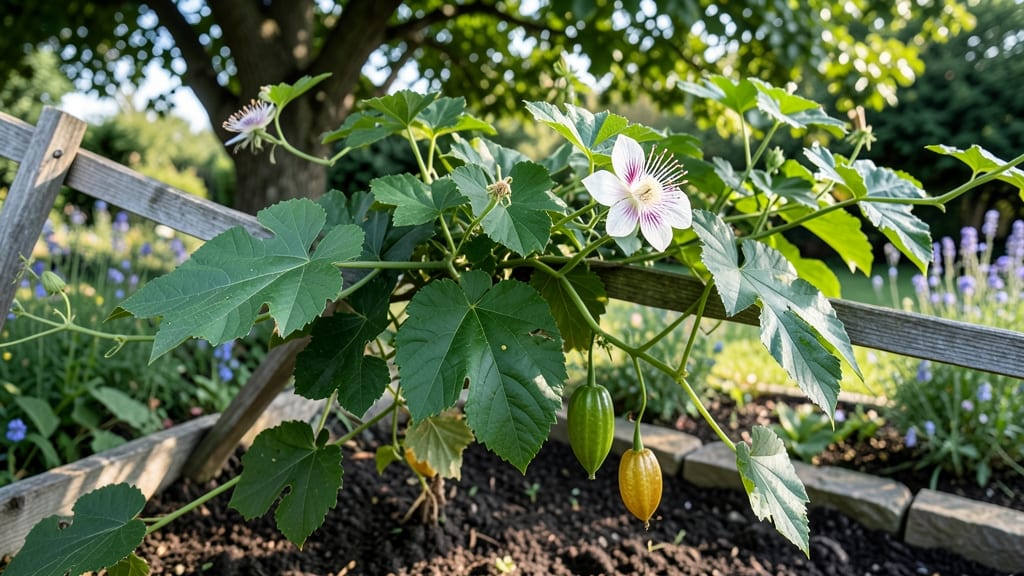
Transforming a delicate passionfruit flower into a sweet, juicy fruit is one of nature's most fascinating processes—and the key to unlocking a bountiful harvest.
With the right care, your 🍈 vine can go from blooms to fruit in just a few months, but only if you understand the hidden factors at play.
Pollination is where it all begins, and many gardeners miss the subtle cues that signal success (or failure). I've seen firsthand how a single missed step can leave you staring at empty vines, but the good news?
There are simple, actionable strategies to ensure every flower gets the chance to become fruit.
From hand-pollinating stubborn blooms to adjusting your plant's environment for peak performance, this guide breaks down exactly what works. Whether you're dealing with General (Tropical/Subtropical) conditions or just starting with your first vine, you'll learn the secrets to turning more flowers into fruit.
Ready to triple your harvest? Let's dive into the science—and the hands-on tips—that make the difference between a few fruits and a vine heavy with 🍈 treasures.
How passionfruit flowers develop into fruit: the pollination process explained
Passionfruit vines produce exotic, trumpet-shaped flowers that are nature’s pollination marvels. Each flower contains both male and female reproductive parts, but they require precise triggers to transform into fruit. Understanding this process helps you maximize your harvest—whether you’re growing purple or yellow varieties.
The journey from flower to fruit involves three critical stages, each dependent on proper pollination and environmental conditions.
First, let’s explore the anatomy of a passionfruit flower. These vibrant blooms feature a corona (petal-like structure) that surrounds the reproductive organs. Inside, you’ll find five stamens (male parts) and a single pistil (female part). The pistil’s stigma must receive pollen from the stamens for fertilization to occur.
Without this step, the flower will wither without producing fruit. The good news? Passionfruit flowers are self-pollinating, meaning they can fertilize themselves—but they need a little help from nature or gardeners.
Pollination triggers include wind, bees, and even hummingbirds in tropical climates. However, bees are the most effective pollinators for passionfruit. When a bee lands on the flower, pollen from the stamens brushes against its body and transfers to the stigma of another flower. If you’re in an area with low bee activity, you’ll need to step in manually. The key is timing—pollination must occur within 24 hours of the flower opening to ensure fruit set.
Now that you understand the stages, let’s dive into how to ensure successful pollination. If you notice few bees visiting your vines, try manual pollination. Use a soft paintbrush or cotton swab to gently transfer pollen from the stamens to the stigma.
Do this in the morning when flowers are open. For larger gardens, consider planting bee-attracting flowers nearby, like marigolds or lavender, to boost pollinator activity. Another tip: Avoid using pesticides during flowering, as they can kill bees and reduce pollination rates.
Environmental factors play a huge role in fruit development. Passionfruit thrives in warm, humid conditions with temperatures between 65°F and 85°F. If nights drop below 55°F, pollination slows, and flowers may drop without setting fruit. To combat this, use row covers or grow lights in cooler climates.
Additionally, ensure your vines have consistent moisture—drought stress can cause flowers to abort before pollination occurs. Water deeply in the morning to prevent fungal issues while keeping soil evenly moist.
Once pollination succeeds, the fruit development timeline kicks into high gear. In the first 2-4 weeks, you’ll see a small green bump where the flower once was. This bump will grow rapidly, reaching golf ball size in 6-8 weeks.
During this phase, the fruit is highly susceptible to nutrient deficiencies. Feed your vines with a balanced fertilizer (7-9-5 NPK) every 4-6 weeks to support healthy growth. Avoid over-fertilizing with nitrogen, as this promotes leafy growth over fruit production.
As the fruit matures, its color and texture change dramatically. Purple passionfruit will deepen in hue, while yellow varieties turn from pale green to golden. The skin will also shift from shiny to matte and slightly leathery. This is your cue that the fruit is nearing harvest.
One key indicator is the stem—when it detaches easily from the vine, the fruit is ready to pick. If left too long, passionfruit can become overripe and mealy, so monitor your vines closely during peak harvest season.
Harvesting at the right time ensures maximum flavor and sweetness. For purple varieties, aim for a deep eggplant-like color, while yellow passionfruit should be bright and slightly soft to the touch. Use clean pruners or scissors to avoid damaging the vine.
After harvesting, store fruit in a cool, dry place for up to 2 weeks. For best results, eat them fresh or use them in recipes within 3-5 days of picking. With the right pollination techniques and care, your passionfruit vines can produce abundant, flavorful fruit year-round.
Mastering the passionfruit pollination process is rewarding—there’s nothing like biting into a homegrown, sun-ripened passionfruit straight off the vine. By understanding the three-stage development timeline and providing the right conditions, you’ll transform those stunning flowers into a bountiful harvest.
Start with manual pollination if needed, monitor environmental factors, and enjoy the journey from bloom to fruit! 🌱
5 Signs your passionfruit flower won’t turn into fruit (and how to fix it)
If your passionfruit vine is blooming but not bearing fruit, don’t panic—this is a common issue many gardeners face. The transition from flower to fruit depends on precise conditions, and small mistakes can halt development.
I’ve grown passionfruit for years and learned that pollination failures and environmental stressors are the top culprits behind empty flowers.
Before you give up, check these 5 key signs that your flowers aren’t converting, along with the exact fixes to turn things around. With the right adjustments, you could see fruit set within weeks—even on mature vines.
Lack of pollination causes flowers to wilt and fall. Use a soft paintbrush to manually transfer pollen between flowers.
Insufficient sunlight or nutrients stunts growth. Move vines to full sun (6+ hours) and fertilize with high-potassium mix.
Temperature stress (below 60°F or above 95°F) causes fruit drop. Use shade cloth in heatwaves or row covers in cool weather.
Overwatering or pests (like aphids) block nutrient flow. Reduce watering and spray neem oil to protect leaves.
Plant bee-friendly flowers (like lavender) nearby and avoid pesticides to attract natural pollinators.
Once you identify the issue, act fast—passionfruit flowers are ephemeral and only last 24 hours. For example, if your flowers drop immediately, manual pollination with a paintbrush can mimic bee activity and trigger fruit set within days.
I’ve seen vines go from zero fruit to a dozen small fruits in just two weeks after fixing pollination!
For temperature-related abortions, consistency is key. Passionfruit vines thrive in 60–90°F ranges—any dip below or spike above can cause stress. If you’re in a cooler climate, opt for Passiflora edulis flavicarpa (purple passionfruit), which tolerates slightly lower temps than yellow varieties.
Pro tip: Prune old wood in late winter to encourage new growth, which produces more flowers. I prune mine back by one-third each year, and it’s made a noticeable difference in my fruit yield.
Pair this with balanced fertilization (7-9-5 NPK), and you’ll give your vines the energy they need to convert every flower into a fruit.
With these fixes, you’ll not only save your existing flowers but also set your passionfruit vine up for a bountiful harvest. The key is observing early signs and acting before the problem worsens—your future fruit bowl will thank you! 🍈