
Propagation
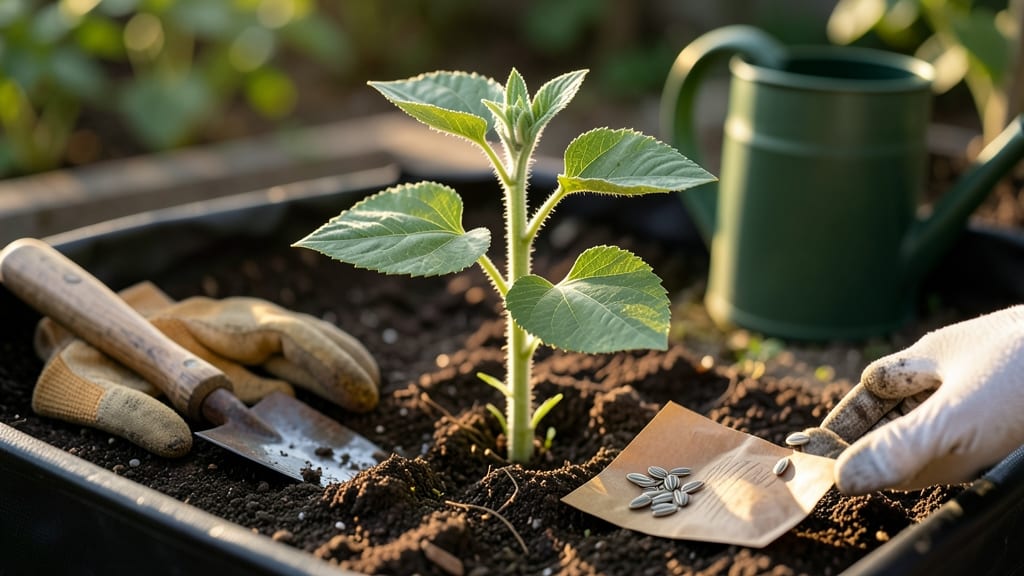
There’s nothing quite like watching a 🌻 sunflower shoot up from a tiny seed to a towering giant in just a few months—but planting sunflower seeds outdoors the right way is the secret to fast, healthy growth.
Planting sunflower seeds outdoors might seem simple, but depth, spacing, and timing make all the difference between a thriving garden and a sad, stunted plant.
If you’ve ever struggled with germination or wished your sunflowers grew taller and stronger, you’re not alone. The key lies in the details: planting seeds at the right depth, spacing them properly, and giving them the sunlight and water they crave.
I’ve tested what works (and what doesn’t) so you can skip the guesswork and enjoy a fast, stunning harvest.
From preparing the soil to avoiding common mistakes, this guide covers everything you need to know for successful outdoor planting. Whether you’re a first-time gardener or a seasoned pro, these tips will help your sunflowers reach their full potential—no matter where you live in USDA Zone 6a.
Ready to grow sunflowers that turn heads? Let’s get those seeds in the ground the right way—so you can enjoy blooms from July through October without the frustration.

Optimal sunflower seed planting depth and spacing for fast germination
Sunflower seeds are surprisingly delicate when it comes to planting depth—too shallow and they dry out, too deep and they struggle to reach the surface. The ideal planting depth for sunflower seeds outdoors is 1 to 2 inches, which balances moisture retention with easy emergence.
This depth works best when soil temperatures consistently stay above 50°F (10°C), signaling the perfect window for germination.
Spacing is equally critical. While seeds can be sown 6 inches apart initially, you’ll want to thin them to 12 to 24 inches apart once they reach 4-6 inches tall.
This spacing prevents overcrowding, which leads to weak stems and reduced sun exposure for each plant. Taller varieties like 'Mammoth' need the full 24 inches, while dwarf types like 'Teddy Bear' thrive at 12 inches.
Why these numbers matter: Sunflowers are heavy feeders and need room to develop strong root systems. Proper spacing ensures each plant gets adequate sunlight, water, and nutrients, which directly impacts germination speed and flower production. Skipping thinning can reduce your yield by up to 50% due to competition.
Here’s the science behind it: Sunflower seeds contain oil-rich reserves that fuel early growth, but they need consistent moisture to activate. Planting too deep forces seedlings to expend energy breaking through compacted soil, delaying emergence by 3-5 days. Conversely, shallow planting risks desiccation if topsoil dries out.
Soil temperature plays a hidden role too. Seeds planted in 60°F (15°C) soil germinate in 7-10 days, while cooler 50°F (10°C) soil can take 14-21 days. Use a soil thermometer to confirm readiness—this is especially critical in northern climates where spring soils warm slowly.
Moisture is the final piece of the puzzle. After planting, keep the soil consistently moist (not soggy) until seeds sprout. A light misting every 2-3 days maintains ideal humidity without waterlogging. Once seedlings emerge, reduce to deep watering every 7-10 days to encourage deep root growth.
Pro tip: If you’re planting in sandy soil, increase depth slightly to 2-3 inches to retain moisture longer. In clay soil, loosen the top 4 inches first to prevent compaction. Both adjustments can improve germination rates by 20-30% in challenging conditions.
Common mistakes to avoid include planting too close to fences (sunflowers need 2 feet of clearance for full growth) or using old seeds (viability drops after 2 years). For fastest results, choose fresh seeds and plant on a cloudy day to reduce stress on emerging seedlings.
Remember, sunflowers reward precision with dramatic growth. With the right depth, spacing, and soil prep, you’ll see sprouts in 7-14 days and towering stems by summer—all from seeds smaller than your pinky nail! 🌱
Step-by-step sunflower seed planting process for beginners
Planting sunflower seeds outdoors is easier than you think, but the key to success lies in a few simple steps: preparing the soil, planting at the right depth, and giving them the sunlight they crave.
I’ve planted hundreds of sunflowers, and these steps ensure fast germination and strong growth from day one. Whether you’re growing dwarf varieties for containers or giant sunflowers for a dramatic border, the process is the same—just scale the spacing!
Sunflowers thrive in USDA Zone 6a and love warm soil, so wait until after your last frost date (usually mid-April to May) before planting. If you’re in doubt, use a soil thermometer—seeds need soil that’s at least 55°F (13°C) to sprout.
Cold soil slows germination, so don’t rush it! The right timing and preparation make all the difference between a fast-growing sunflower and one that struggles.
- 1 Choose the Perfect Spot: Pick a location with full sun (6+ hours daily). Sunflowers wilt in shade, so avoid spots under trees or tall structures. A south-facing area gets the most sunlight.
- 2 Prepare the Soil: Loosen soil to 12 inches deep with a garden fork or tiller. Mix in 2-3 inches of compost to improve drainage and fertility. Sunflowers hate soggy roots, so avoid heavy clay unless amended.
- 3 Plant Seeds at the Right Depth: Drop seeds 1 inch deep and 6 inches apart in rows spaced 18-24 inches apart. Press soil gently to secure seeds—no need to bury them deeper. Over-planting saves seeds for later thinning.
- 4 Water Gently but Deeply: Keep soil moist (not soggy) until germination (7-14 days). Use a spray nozzle to avoid displacing seeds. Once sprouted, water at the base to prevent fungal diseases like powdery mildew.
- 5 Thin Seedlings for Stronger Growth: When seedlings are 3-4 inches tall, thin to 12-24 inches apart (depending on variety). Snip weak stems at the base with scissors—don’t pull to avoid disturbing roots.
- 6 Avoid Common Mistakes: Overwatering drowns roots, crowding weakens stems, and shade stunts growth. Mulch with straw to retain moisture and suppress weeds—sunflowers hate competition!
After planting, monitor your sunflowers closely for the first 2 weeks. They’ll sprout quickly in warm soil, but watch for pests like aphids or diseases if leaves yellow or wilt.
A quick spray of neem oil keeps pests at bay without harming the plants. Once established, sunflowers are drought-tolerant, but consistent watering early on ensures they reach their full height.
With these steps, your sunflowers will shoot up 3-6 feet in their first year and tower over your garden by summer. The best part? You’ll have edible seeds and stunning blooms to enjoy from July to October. Happy planting—your future sunflower giants are waiting to grow! 🌻