
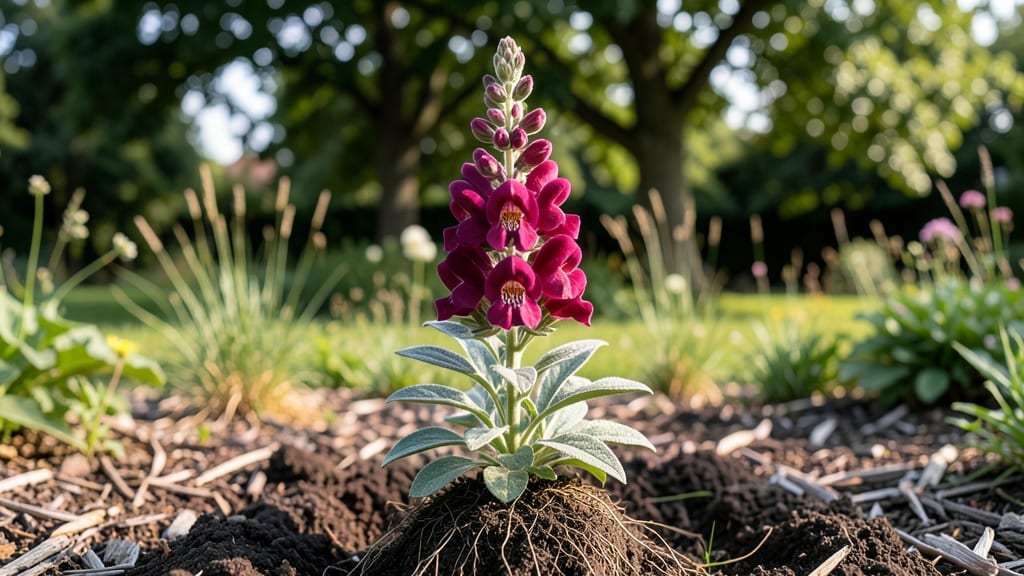
Snapdragon Flower Bloom Time: Varietal Guide to Peak Color by Month

Blooming

Snapdragon Flower Bloom Time: Varietal Guide to Peak Color by Month

Timing your snapdragon flower bloom time correctly can turn your garden into a season-long color show—if you know which varieties peak when. These 🌸-adorned flowers don’t just bloom; they transform your space with bold hues, but their schedules vary wildly depending on the type you choose.

Whether you’re planning a spring display or hoping for summer-long color, understanding the bloom windows of snapdragons is the key. Some varieties burst into flower as early as late spring, while others wait until midsummer, and a few even reward you with fall blooms.

The right choice means longer enjoyment and fewer gaps in your garden’s beauty.

In this guide, I’ll break down exactly when each snapdragon variety hits its peak—from early bloomers like ‘Matrix’ to late-season stars like ‘Black Prince.’ You’ll also discover simple tricks to extend their bloom time, like deadheading and soil tweaks, so your garden stays vibrant all season.

Ready to turn your planting schedule into a color calendar? Let’s dive into the varieties that will keep your garden in full bloom from spring through fall—and how to make it last even longer.

Snapdragon bloom time by variety: month-by-month flowering guide

Planning your garden’s color palette? Snapdragons (Antirrhinum majus) are a gardener’s dream with their bold hues and extended bloom seasons. However, their flowering windows vary dramatically by variety—some burst into color in early spring, while others shine in late fall.

Knowing these timelines helps you create a continuous floral display from spring through frost.

Whether you’re growing annual varieties for quick color or perennial types for long-term beauty, timing is everything. Below, we break down 12 top snapdragon varieties by their peak bloom months, along with care tips to maximize their performance.

Use this guide to strategically place varieties for season-long interest in your garden beds or containers.

Variety Type Peak Bloom Months Height (ft) Color Palette Notes
'Matrix' Annual June - August 1.5-2 Purple, pink, white Compact, heat-tolerant
'Rocket' Annual May - September 2-3 Red, orange, yellow Tall, great for borders
'Black Prince' Annual July - October 2-2.5 Deep purple-black Dramatic, late-season
'Tango' Annual June - September 1-1.5 Multi-color blends Heat-resistant, low-maintenance
'Dragonfly' Biennial May - October 1.5-2.5 Pink, lavender, white Self-seeds easily
'Hot Shot' Annual June - September 1-1.5 Red, orange, yellow Dwarf, container-friendly
'Apricot Whirls' Annual June - August 1-1.5 Peach, salmon Soft pastels, early bloomer
'Perennial Mix' Perennial May - July 1.5-2 Multi-color Cold-hardy, repeat bloomer
'Tahiti' Annual July - September 2-2.5 White, pink, lavender Fragrant, late-season
'Mini Gem' Annual June - August 0.5-1 Purple, white, red Dwarf, edging plant
'Alpine Rose' Perennial May - June 0.5-1 Soft pink

How to extend snapdragon bloom time with pruning and care

Snapdragons (Antirrhinum majus) are stunning garden stars, but their bloom time can feel short-lived if you don’t give them the right care. With the right techniques, you can stretch their vibrant displays from weeks to months.

The key lies in pruning, fertilizing, and managing their environment—especially light exposure and watering habits.

Most gardeners focus on planting timing, but what happens after those first buds appear is just as critical. Snapdragons naturally produce flowers in cycles, but with a few simple adjustments, you can trick them into reblooming like a pro.

I’ve learned that the difference between a 6-week bloom and a 12-week show often comes down to deadheading and soil health.

⚠️ Bloom-Killing Mistakes

These common errors can shorten snapdragon bloom time dramatically:

  • Overwatering: Leads to root rot and stunted growth.
  • Ignoring soil pH: Snapdragons thrive in 6.0-7.0 pH—test yours!
  • Skipping deadheading: Allows energy to waste on seed production.
  • Too much shade: Reduces flower production by 40%.

Fix these issues, and you’ll see 2-3x longer blooms!

Start with deadheading, the simplest way to extend snapdragon bloom time. Snip off spent flowers at the base of the first set of leaves—this redirects the plant’s energy toward new buds instead of seed development.

I recommend using clean, sharp pruners to avoid damaging stems, and always remove flowers before they fully fade.

Next, pay attention to fertilizing. Snapdragons are heavy feeders during their bloom phase, so use a balanced 5-10-10 fertilizer every 4-6 weeks. Apply it in the early morning to prevent leaf burn, and always water thoroughly afterward.

For organic options, compost tea or fish emulsion works wonders—just avoid high-nitrogen feeds, which promote foliage over flowers.

Light management is another game-changer. Snapdragons need 6+ hours of full sun daily, but too much afternoon heat can stress them. If you’re in a hot climate, provide light afternoon shade during peak summer months.

In cooler regions, supplement with a grow light for 14-16 hours of light to encourage continuous blooming.

Finally, don’t overlook soil conditions. Well-draining, slightly acidic soil (pH 6.0-7.0) is ideal. Amend heavy clay with compost or perlite, and mulch around the base to retain moisture and regulate temperature.

I’ve seen snapdragons in poor soil struggle to rebloom, while those in enriched beds keep flowering until first frost.

With these techniques, your snapdragons can bloom from early summer to fall, giving you a continuous color show. The secret? Stay consistent with care, and your plants will reward you with longer, more abundant blooms all season long. 🌸✂️💧

★★★★★4.8(14 reviews)
Categories Blooming