
Blooming
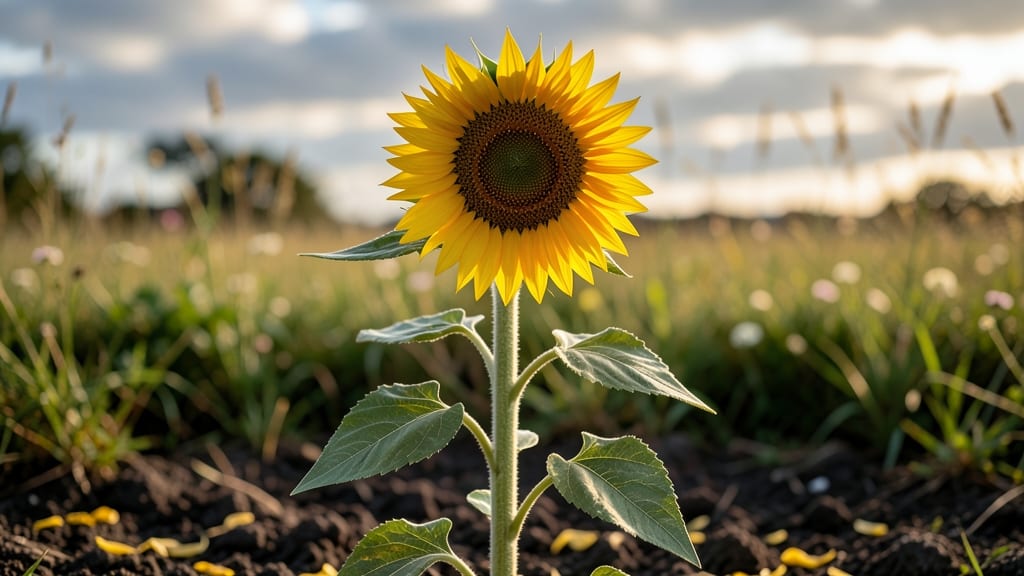
Timing your sunflower season just right could mean the difference between towering 🌻 giants that last until frost and sad, stunted plants that fade too soon. These cheerful stalks thrive when planted at the perfect moment—after the last frost, when soil warms to 50°F, and before summer’s heat peaks.
In USDA Zone 6a, where I’ve grown sunflowers for years, the window is tight: late spring to early summer, with 60-90 days to reach full bloom. Miss it, and you risk blooms cut short by autumn’s chill—or worse, seeds that never mature.
But with the right variety and a few smart tricks, you can stretch that season longer than you’d expect.
I’ll break down exactly when to plant by zone, which varieties hold up best against late-season frosts, and how to coax extra weeks of color from your garden. Whether you’re a first-time grower or a seasoned gardener, these insights will help you turn your sunflower patch into a summer-long showstopper.
Ready to unlock the secrets to a sunflower season that lasts? Let’s get started with the planting deadlines that’ll keep your 🌻 blooms vibrant until the first frost.

Sunflower planting deadlines by USDA Zone for frost-free blooms
Timing is everything when it comes to growing sunflowers—plant too early, and they’ll bolt in cool soil; too late, and frost will nip those golden blooms before they open. The key is aligning your USDA zone with your last frost date and choosing varieties that mature before winter sets in.
Most sunflowers need 60–90 days to bloom, so your planting window depends on where you live.
For example, gardeners in Zone 1 (Alaska, northern Canada) have just a 90-day growing season, while those in Zone 10 (southern California, Florida) can plant year-round. The goal? Start seeds or transplant 8–12 weeks before your first frost to ensure blooms appear before temperatures dip below 32°F (0°C).
Late-summer varieties like 'Autumn Beauty' or 'Moulin Rouge' can extend your harvest into October if planted early enough.
| USDA Zone | Direct Sow Window | Transplant Window | Late Varieties | Days to Maturity |
|---|---|---|---|---|
| 1–2 (Alaska, Canada) | Mid-June to July 15 | Start indoors May 1 | 'Teddy Bear' | 60–70 days |
| 3–4 (Northern Plains) | May 15–June 1 | Start indoors April 15 | 'ProCut' | 70–75 days |
| 5–6 (Midwest, Northeast) | April 20–May 10 | Start indoors March 15 | 'Autumn Beauty' | 80–90 days |
| 7–8 (Southeast, Pacific NW) | March 15–April 15 | Start indoors Feb 15 | 'Moulin Rouge' | 85–95 days |
| 9–10 (California, Florida) | August–September (fall) | Year-round | 'Russian Giant' | 100–120 days |
| 11–13 (Hawaii, Puerto Rico) | Year-round | Year-round | 'Sunspot' | 55–65 days |
In Zones 1–4, where summers are short, opt for dwarf varieties like 'Teddy Bear' (3–4 feet tall) or 'Little Becka' (2–3 feet). These mature in 60–70 days, giving them enough time to bloom before frost.
For Zones 5–8, standard varieties like 'Moulin Rouge' (5–6 feet) thrive when planted in late April to early May, ensuring blooms by mid-to-late summer.
Gardeners in Zones 9–13 have the luxury of planting sunflowers in fall for winter blooms. In Zone 10, for example, you can direct-sow seeds in August to enjoy flowers through December.
Just be mindful of heat stress—sunflowers wilt in temperatures above 90°F (32°C), so provide afternoon shade in extreme climates.
If you
How to extend sunflower season: 3 proven strategies for late blooms
There’s nothing more disappointing than watching your sunflowers 🌻 droop just as they reach their peak. But with the right strategies, you can push your sunflower season well past the first frost.
The key lies in three proven tactics: succession planting, selecting heat-tolerant varieties, and using soil warming techniques. These methods don’t just extend blooms—they transform your garden into a late-summer sunflower spectacle.
Let’s start with the simplest yet most effective approach: succession planting. Instead of planting all your seeds at once, stagger them every 2-3 weeks throughout early summer. This ensures a continuous supply of blooms, with later plantings maturing just as earlier ones begin to fade.
For example, in USDA Zone 6, I’ve had success planting my first batch in late May and my last in early July—resulting in blooms from July through October.
Plant seeds every 2-3 weeks for staggered blooms. Ideal for zones 3-10.
Choose 'Autumn Beauty' or 'Moulin Rouge'—both thrive in 80°F+ temps.
Use black plastic mulch or row covers to raise soil temps by 5-10°F.
Next, heat-tolerant varieties are your secret weapon for late-season success. Standard sunflowers often struggle as temperatures climb, but varieties like 'Autumn Beauty' and 'Moulin Rouge' are bred to handle 80°F+ heat without wilting.
These varieties also have longer days to maturity (typically 90-100 days), giving them extra time to bloom before frost. Pro tip: Pair these with dwarf varieties like 'Teddy Bear' for container gardening—perfect for patios or small spaces.
For gardeners in cooler climates (zones 1-5), soil warming can be a game-changer. I’ve used black plastic mulch or row covers to raise soil temperatures by 5-10°F, accelerating germination and growth.
This technique works especially well for late-July plantings, giving seeds a head start in the shortened growing season. Just remember to remove covers once plants are established to avoid overheating.
Finally, indoor seed starting is a game-changer for extending your season in northern climates. Begin seeds indoors 6-8 weeks before your last frost date, using grow lights to provide 14-16 hours of light daily.
Transplant seedlings outdoors 2-3 weeks before the average frost date—this early start ensures they’ll be large enough to handle cooler temperatures. For example, in Zone 4, I start seeds in early April and transplant by late May, guaranteeing blooms by early July.
Combine these strategies, and you’ll enjoy sunflowers well into autumn. The payoff? A garden that stays vibrant longer, attracts pollinators until frost, and even provides seeds for next year’s planting.
With a little planning, your sunflower season doesn’t have to end with summer—it can stretch into the golden hues of fall. 🌿