
Blooming
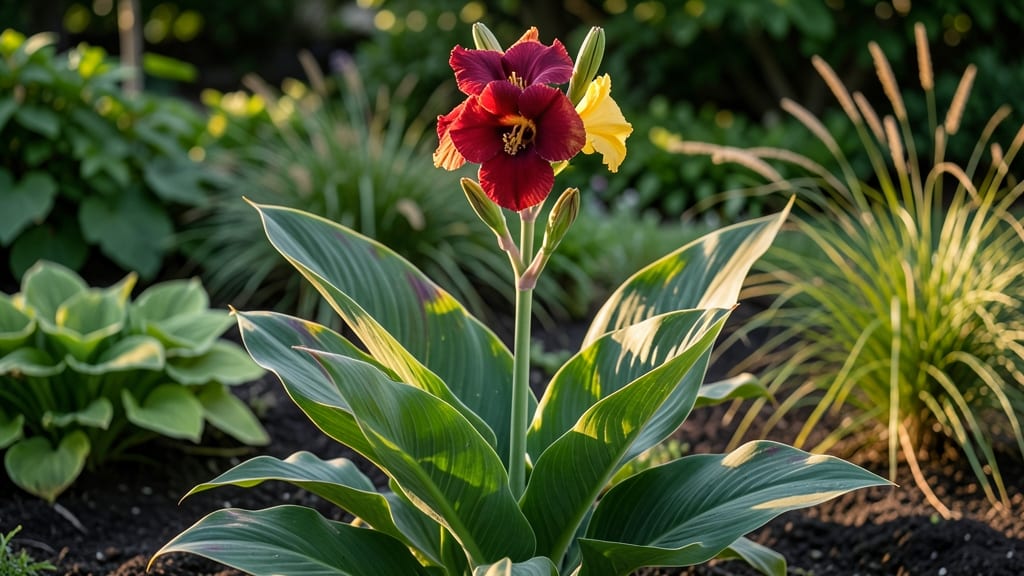
If you’ve ever planted cannas 🌺 hoping for a burst of bold color but ended up staring at lush leaves with no flowers in sight, you’re not alone.
The truth is, these tropical showstoppers follow a precise blooming schedule tied to your climate—and missing it means missing out on their dramatic summer displays.
For gardeners in Zone 6a and beyond, cannas typically burst into bloom between July and October, but the exact timing depends on when you planted those rhizomes and whether your spring was warm enough to kickstart growth.
Plant too late, and you might get foliage without flowers; plant too early, and frost could nip your buds in the bud.
Here’s what you need to know: the key to vibrant canna blooms lies in understanding your local frost dates, choosing the right varieties, and giving them the care they crave.
Whether you’re a first-time grower or a seasoned pro, these insights will help you time your cannas perfectly for a garden that turns heads all season long.
Let’s break down the month-by-month blooming calendar, plus pro tips to extend your flowering season—because nobody wants to wait until September for their garden’s grand finale.
Cannas flowering timeline by USDA hardiness Zone: month-by-month guide
Cannas are tropical showstoppers that reward gardeners with bold, vibrant blooms—but their flowering timeline shifts dramatically depending on your USDA hardiness zone. In cooler zones like Zone 7, cannas often bloom later in the season, while Zone 11 gardeners may enjoy multiple bloom cycles.
Understanding these patterns helps you plan for peak color and extend the season with the right care.
Most cannas follow a summer-to-fall blooming pattern, but early varieties can push flowers into late spring in warmer climates. The key factors? Last frost dates, soil warmth, and consistent sunlight.
Let’s break down what to expect month by month, so you can set your garden up for a show-stopping display.
| USDA Zone | Early Blooms | Peak Blooms | Late Blooms | Notes |
|---|---|---|---|---|
| Zone 7 | Late July | August-September | Early October | Short season; protect from early frost. |
| Zone 8 | Mid-July | July-September | Late October | Longer bloom window; may rebloom. |
| Zone 9 | June-July | July-October | November | Tropical varieties thrive; multiple cycles. |
| Zone 10 | May-June | June-November | December | Year-round blooms possible with care. |
| Zone 11 | April-May | May-December | Year-round | Plant as perennial; minimal dormancy. |
In Zone 7, cannas typically kick off blooms in late July after the soil warms, with peak flowering stretching into September. The cooler climate means a shorter window—so prioritize sun exposure and well-draining soil to maximize blooms.
In contrast, Zone 11 gardeners can enjoy cannas almost year-round, with early blooms as soon as April and late-season flowers lasting into December.
Microclimates play a huge role in bloom timing. A south-facing garden in Zone 9 might see flowers as early as June, while a shadier spot could delay blooms until July.
Similarly, Zone 10 cannas near coastal areas may bloom earlier due to milder winters, while inland areas might align more closely with Zone 9 timelines.
If you’re in a transitional zone like Zone 8, expect a longer bloom season—from mid-July through October—with some varieties even reblooming if given proper care. The key is to protect rhizomes from late-season frosts, which can cut blooms short.
In Zone 11, where cannas are often perennial, you’ll notice a more staggered bloom pattern, with new flowers emerging as old ones fade.
For earlier blooms, plant rhizomes in early spring (as soon as soil is workable) and provide consistent moisture to encourage rapid growth. In cooler zones, consider container gardening to move cannas indoors before frost or extend the season with row covers.
Conversely, in Zone 11, prune spent blooms to redirect energy into new growth and enjoy a near-continuous display.
One common mistake? Assuming all cannas bloom at the same time. Dwarf varieties like ‘Pyramid’ may bloom earlier than tall varieties like ‘Australia,’ which often wait until foliage is fully established. Mixing varieties in your garden can create a staggered bloom effect, ensuring color from summer through fall.
To troubles
How to extend your cannas’ blooming season: pro tips for longer flowers
Cannas are showstoppers in summer gardens, but their blooming season can feel disappointingly short if you don’t give them the right care. The key to longer, more abundant flowers lies in understanding their growth cycle and making small adjustments throughout the year.
From soil preparation to smart pruning, these pro tips will help your cannas put on a longer, more vibrant show every season.
First, let’s address the biggest misconception: cannas don’t bloom on a strict schedule. While they typically flower from mid-summer to early fall, their timing can shift dramatically based on your climate, soil health, and care routine.
In warmer zones like USDA Zone 10-11, you might see blooms as early as June, while in cooler zones like Zone 7-8, flowers may not appear until August. The good news?
With the right strategies, you can push those blooms earlier or keep them going later into autumn.
🌺 5 Pro Tips to Extend Your Cannas’ Blooming Season
- 🌱 1. Start with rich, well-draining soil: Cannas thrive in organic matter-rich soil with a pH of 6.0-7.0. Amend your soil with compost or aged manure before planting to give roots a nutrient boost.
- 💧 2. Water deeply but infrequently: Overwatering stresses cannas and can shorten bloom time. Water only when the top 2-3 inches of soil are dry, and always water at the base of the plant to avoid fungal diseases.
- 🌿 3. Fertilize strategically: Use a balanced fertilizer (10-10-10) every 4-6 weeks during the growing season. Switch to a low-phosphorus fertilizer in late summer to encourage more blooms instead of foliage.
- ✂️ 4. Deadhead and prune wisely: Remove spent blooms regularly to redirect energy to new flowers. In late summer, cut back taller stalks by half to stimulate compact, bushier growth with more blooms.
- 🌡️ 5. Protect from early frost: In cooler zones, mulch heavily around the base of cannas in fall to insulate rhizomes. In spring, cover young shoots with frost cloth if frost is predicted to jumpstart growth.
One of the most common mistakes gardeners make is over-fertilizing with high-nitrogen feeds, which promotes lush foliage at the expense of blooms. Instead, opt for a balanced or phosphorus-rich fertilizer to encourage flowering.
For example, a 5-10-10 or 7-9-5 NPK ratio will give you better results than a high-nitrogen 30-10-10 blend. Organic options like fish emulsion or bone meal are also excellent choices for promoting blooms.
Pruning isn’t just about keeping your cannas tidy—it’s a critical tool for extending their blooming season. After the first flush of flowers, many gardeners make the mistake of cutting back too aggressively, which can signal the plant to go dormant prematurely.
Instead, prune selectively: remove only the oldest, most woody stalks and any that are damaged or diseased. This encourages new growth and a second wave of blooms in late summer or early fall.
If your cannas are perennial in your zone, winter care is just as important as summer maintenance. In USDA Zones 7-9, cannas can survive winter with proper mulching, but in colder zones, you’ll need to dig up and store rhizomes indoors.
Before the first frost, cut back foliage to 2-3 inches above the ground and cover the base with 6-8 inches of straw or leaves. In spring, replant rhizomes as soon as the soil warms to 60°F or above to give them a head start on growth.
With these strategies, you can extend your cannas’ blooming season by 4-6 weeks, giving you stunning tropical flowers well into autumn. The secret? Consistent care, smart pruning, and a little extra attention to soil and fertilization.
Your garden will thank you with bold, vibrant blooms that turn heads all season long! 🌺