
Blooming
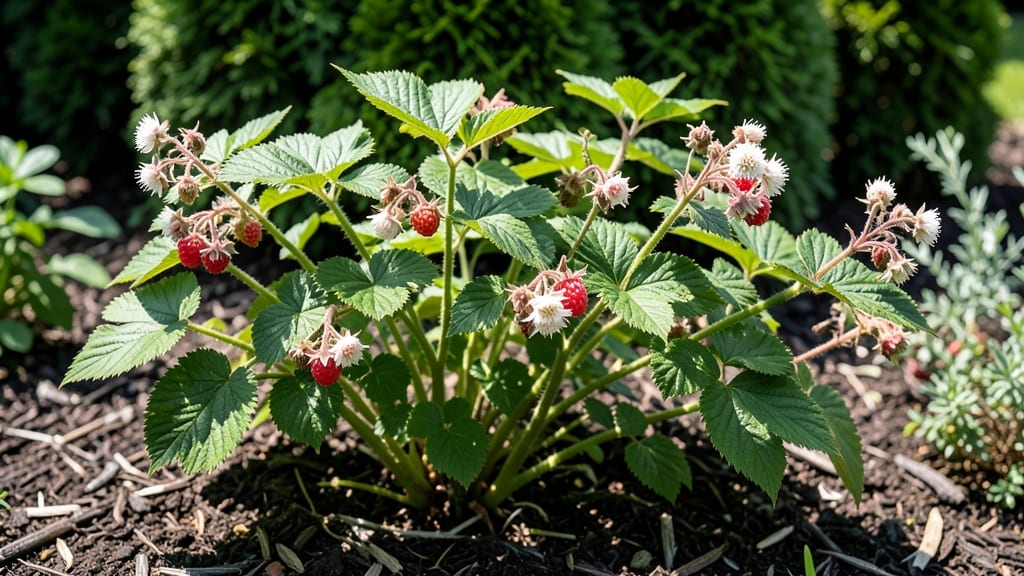
Timing when do raspberries flower isn’t just about patience—it’s the key to predicting your harvest. Those tiny white flowers appear at just the right moment, signaling whether you're in for a bountiful summer or fall crop.
In most regions like USDA Zone 6a, raspberries typically flower between late spring and early summer, with summer-bearing varieties blooming first in May and fall-bearing types following in July. But climate plays a huge role—warmer zones push blooms earlier, while cooler areas might delay them until June.
Understanding these patterns helps you plan everything from pruning to pest control. Miss the window, and you could end up with fewer berries—or none at all. Let's break down exactly when to expect those first blossoms and how to make the most of your raspberry season.
Whether you're a first-time grower or a seasoned gardener, knowing when raspberries flower means you'll never miss another harvest again. Here's what you need to watch for in your garden this spring.
Raspberry flowering timeline by variety: summer vs fall-bearing types
Understanding when raspberries flower is the first step to planning your harvest. The timing varies dramatically between summer-bearing (June-bearing) and fall-bearing (everbearing) varieties, each with distinct bloom cycles that dictate fruit production. As someone who's grown both types, I can tell you missing these windows means missed berries!
Summer-bearing raspberries produce one massive crop per year, while fall-bearing varieties offer two smaller harvests. Their flowering periods differ just as much as their yields.
For example, my Boyne summer-bearing plants burst into bloom in late May to early June, while my Heritage fall-bearing variety flowers in late July to early August—that's a three-month difference!
This variation isn't just about timing—it affects pruning strategies, harvest planning, and even pollinator attraction. In my garden, I've learned to watch for bud swell in spring for summer-bearing types and new cane growth in summer for fall-bearing ones. Both signals mean flowers are coming soon!
Here's the key difference: summer-bearing raspberries flower on second-year canes (floricanes), while fall-bearing varieties produce flowers on first-year canes (primocanes). This structural difference explains why their bloom periods never overlap. Let me break down the exact flowering windows in the comparison below.
| Variety Type | Flowering Period | Flowering Canes | Fruit Production Window | Harvest Timing |
|---|---|---|---|---|
| Summer-Bearing (June-Bearing) | Late May - Early June | Second-year canes (floricanes) | Single massive crop | July - August |
| Fall-Bearing (Everbearing) | Late July - Early August | First-year canes (primocanes) AND second-year canes (floricanes) | Two smaller crops | August - September (primocanes) AND following summer (floricanes) |
For summer-bearing varieties like Boyne or Dorman Red, the 6-week flowering window is critical. I've seen firsthand how late spring frosts can devastate these blooms if they arrive during this period. That's why I always monitor the National Weather Service for frost warnings in May!
Fall-bearing varieties like Heritage or Caroline offer more flexibility with their late-summer flowering. However, their second crop depends on whether the primocanes survived winter. In my Zone 7 garden, I've found that protecting these new canes with straw mulch increases the chance of a second harvest.
The flowering-to-fruit timeline also varies. Summer-bearing varieties take about 6-8 weeks from bloom to harvest, while fall-bearing types produce fruit in 4-6 weeks after flowering. This means my Heritage raspberries often ripen in late August, while my Boyne berries don't appear until mid-July.
One common mistake I see is assuming all raspberries flower at the same time. Never prune your raspberry patch in early spring without knowing which type you have! Summer-bearing varieties need delayed pruning until after harvest, while fall-bearing types can be pruned in late winter to remove old canes.
Misjudging this can mean losing both blooms AND fruit.
Pro tip: Mark your calendar when you see the first raspberry flower buds swell. This gives you a 6-week heads-up to prepare for harvest. I also recommend planting bee-friendly flowers nearby to ensure good pollination during these critical windows. My lavender and borage plants have become essential pollinator magnets!
Remember, these timelines are general guidelines. Your local microclimate and USDA zone can shift flowering by 2-4 weeks. In warmer zones (8-10), summer-bearing varieties may flower as early as April, while colder zones (5-6) might see blooms delayed until mid-June. Always observe your own plants!
How climate zones affect raspberry flowering: USDA zones explained
Understanding your USDA climate zone is key to predicting when raspberries flower in your garden. These zones—ranging from Zone 5 to Zone 10—dictate temperature patterns that directly influence bloom timing.
In colder zones, flowers may appear earlier to capitalize on short growing seasons, while warmer climates can trigger multiple bloom cycles. Let’s break down how each zone impacts your raspberry plants.
In USDA Zones 5-7, raspberry flowers typically emerge in late May to early June, aligning with frost-free periods. These zones experience shorter growing seasons, so plants prioritize early flowering to maximize fruit production before fall.
In contrast, Zones 8-10 see blooms as early as March or April, with some varieties producing two flushes of flowers per year due to milder winters.
- 🌱 USDA Zone 5-6: Flowers appear late May-June; frost risk delays blooms until after last frost.
- 🌿 USDA Zone 7: Blooms start early May; warmer springs advance flowering by 2-3 weeks.
- ☀️ USDA Zone 8-9: Flowers emerge March-April; fall-bearing varieties may rebloom in late summer.
- 🌡️ USDA Zone 10: Year-round growth possible; flowers appear February-March and again in fall.
If you’re in a Zone 5 or 6, protect early blooms with frost cloth or row covers. In Zones 8-10, prune aggressively after the first harvest to encourage a second bloom cycle.
For example, in Zone 9, I’ve seen fall-bearing varieties produce fruit twice in one season—once in June and again in September—if given the right care.
Temperature swings can also disrupt flowering. In Zone 7, a late frost in April might damage new blooms, while Zone 10 gardens may struggle with heat stress if daytime temps exceed 90°F. Monitor your local 10-day forecast and adjust pruning or mulching to support consistent blooming.
To extend the flowering season, try these zone-specific tips:
- In Zones 5-6, plant everbearing varieties like 'Heritage' for a second harvest.
- In Zones 7-8, mulch heavily in fall to protect roots from winter chill.
- In Zones 9-10, provide afternoon shade during peak summer heat.
Pay attention to your raspberry canes—they’ll tell you when it’s time to act. If flowers appear too early in cold zones, use black plastic mulch to warm the soil. Conversely, in hot zones, drip irrigation keeps plants hydrated for continuous blooming. With the right adjustments, you can fine-tune your raspberries’ flowering schedule to match your climate.
🌱