
Flowers
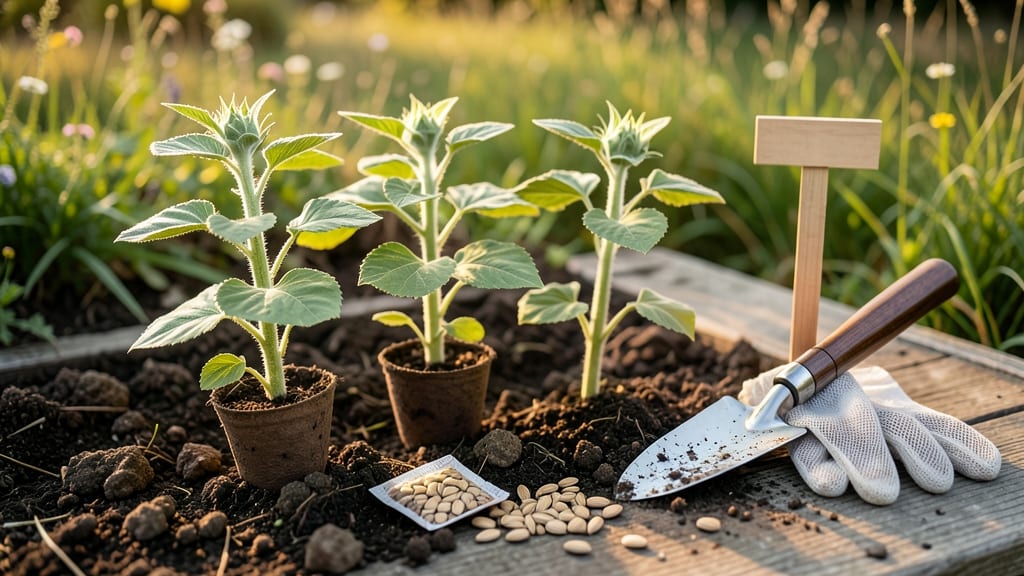
Planting sunflowers in Indiana at the wrong time means watching your towering 🌻 dreams wilt before they even bloom. The key to success? Getting those seeds in the ground after the last frost, typically between mid-April and mid-June, when soil temperatures finally warm up to 55°F or higher.
Indiana’s USDA Zones 5-6 bring their own challenges—unpredictable late frosts, sudden heatwaves, and soil that can still be too cold for sunflowers to germinate properly.
But don’t worry: with the right timing and a few simple adjustments, you can turn your garden into a sunflower paradise that stretches from 3 to 14 feet tall by harvest season.
Whether you’re a first-time gardener or a seasoned pro, knowing exactly when to plant—plus how to handle Indiana’s quirks—will make all the difference.
I’ll walk you through the perfect frost-free window, soil prep secrets, and even which sunflower varieties thrive best in your zone so you can enjoy those golden blooms from July through October.
Ready to grow sunflowers that rival the ones in your favorite paintings? Let’s get started with the exact planting schedule and tips tailored just for Indiana’s climate.
Indiana sunflower planting dates by USDA Zone 5-6: exact frost-free timeline
Sunflowers are one of Indiana’s most rewarding summer blooms, but their planting window is short—just 6-8 weeks between the last frost and summer heat. In USDA Zones 5-6, your exact frost-free timeline depends on whether you're in northern Indiana (Zone 5) or southern Indiana (Zone 6).
Northern areas typically see their last frost around April 15, while southern regions warm up by April 1-10. Timing correctly ensures your sunflowers grow tall and strong before Indiana’s summer heat arrives.
Sunflower seeds need soil temperatures of 55°F or higher to germinate properly. In Indiana, this usually aligns with late April to early May for most regions.
Using a soil thermometer is the best way to confirm readiness—if your soil hasn’t warmed up by May 10, wait a few more weeks to avoid slow or failed germination. Patience here pays off with healthier, faster-growing plants.
Here’s your exact frost-free planting timeline for Indiana sunflowers, broken down by region and maturity zone:
| Region | Last Frost Date | Ideal Planting Window | Soil Temp Requirement | Notes |
|---|---|---|---|---|
| Northern Indiana (Zone 5) | April 15–May 1 | Mid-April to May 10 | 55°F+ | Use row covers for early plantings |
| Central Indiana (Zone 5b-6a) | April 1–April 15 | Early April to May 5 | 55°F+ | Soil warms faster; plant early |
| Southern Indiana (Zone 6) | March 25–April 10 | Late March to April 20 | 55°F+ | Extended growing season; plant early varieties |
| All Regions | N/A | Last chance: June 1 | 60°F+ | For fast-maturing varieties only |
For northern Indiana gardeners, the ideal planting window is between April 15 and May 10. This gives sunflowers enough time to mature before Indiana’s first frost in mid-October.
If you’re in Zone 5, consider using row covers for early plantings to protect tender seedlings from late frosts. Southern Indiana gardeners have a slight advantage—their soil warms earlier, allowing plantings as early as late March.
Sunflowers are annuals in Indiana, meaning they complete their life cycle in one season. Most varieties take 80-120 days to mature, so choose your planting date based on the sunflower variety.
Fast-maturing types like 'Teddy Bear' (60-70 days) can be planted as late as June 1, while taller varieties like 'Russian Giant' (100-120 days) need an early start. Always check the seed packet for days-to-maturity information.
If you’re unsure about your last frost date, use Indiana’s historical averages as a guide but stay flexible. Late frosts can still occur, especially in Zone 5. To hedge your bets, plant a second batch of seeds 2-3 weeks after your first planting.
This staggered approach ensures you’ll have blooms throughout the summer, even if the first planting gets nipped by frost.
Once your sunflowers are in the ground, keep the soil consistently moist but not soggy. Sunflowers need 1-2 gallons of water per plant every 3-5 days during Indiana’s dry spells.
Watering in the early morning helps prevent fungal diseases like powdery mildew, which can be a problem in Indiana’s humid summers. Mulching around the base of your plants also helps retain moisture and regulate soil temperature.
Don’t forget that sunflowers need full sun—at least 6-8 hours daily. In Indiana, this means planting them in the southern or western part of your garden where they’ll get the most sunlight.
If you’re growing sunflowers in containers, place them where they’ll receive unobstructed sun exposure. Even a few hours of shade can stunt their growth and reduce flower production.
With the right planting timing and care, your Indiana sunflowers can reach towering heights of 6-14 feet and provide months of vibrant color. Whether you’re growing them for their stunning blooms, edible seeds, or to attract pollinators, following this frost-free timeline will set you up for success.
Happy planting! 🌻
How to adjust sunflower planting for Indiana’s unpredictable weather patterns
Indiana’s weather can throw curveballs—one day it’s 50°F with frost warnings, the next it’s 90°F with drought conditions. These swings make sunflower planting tricky, but with the right adjustments, you can still grow healthy, towering plants that thrive despite the chaos.
Sunflowers are resilient, but they won’t germinate in cold soil, and late frosts can kill young seedlings overnight. The key is staggered planting and choosing varieties that can handle Indiana’s extremes. I’ll show you how to beat the odds with proven strategies.
For example, 'Autumn Beauty' sunflowers are cold-hardy and can tolerate brief frosts once established, while 'Moulin Rouge' thrives in heatwaves with its deep red blooms. Pair these with protective row covers, and you’ll have sunflowers that laugh at Indiana’s weather.
Even after the average last frost date (April 15), northern Indiana can see late frosts into early May. To protect your sunflowers, use row covers or plant in staggered batches every 2 weeks from mid-April to mid-May. This ensures some plants will survive if frost strikes.
For southern Indiana, where frosts are rarer, focus on heat tolerance—choose varieties like 'Russian Giant' that can handle dry, hot conditions without wilting.
Start by planting 1/4 of your seeds in late April, another 1/4 in early May, and the final batch in mid-May. This staggered approach spreads out your harvest and reduces the risk of losing all your plants to a single frost event.
Plus, it gives you sunflowers at different heights for a stunning visual display.
If you’re worried about soil moisture fluctuations, mulch around your sunflowers with straw or wood chips to retain water during dry spells. Sunflowers are drought-tolerant once established, but young seedlings need consistent moisture to avoid stunted growth.
For extra protection, use floating row covers until your plants reach 6 inches tall. These lightweight fabrics shield seedlings from late frosts and pests while still allowing sunlight and water to pass through. Remove them once the danger of frost has passed to avoid overheating.
Finally, monitor your soil temperature with a soil thermometer. Sunflower seeds need soil that’s at least 55°F to germinate. If your soil is cooler, wait a few more days—rushing the process can lead to poor germination and weak plants.
Patience pays off with stronger, healthier sunflowers that reach their full potential.