
Plants
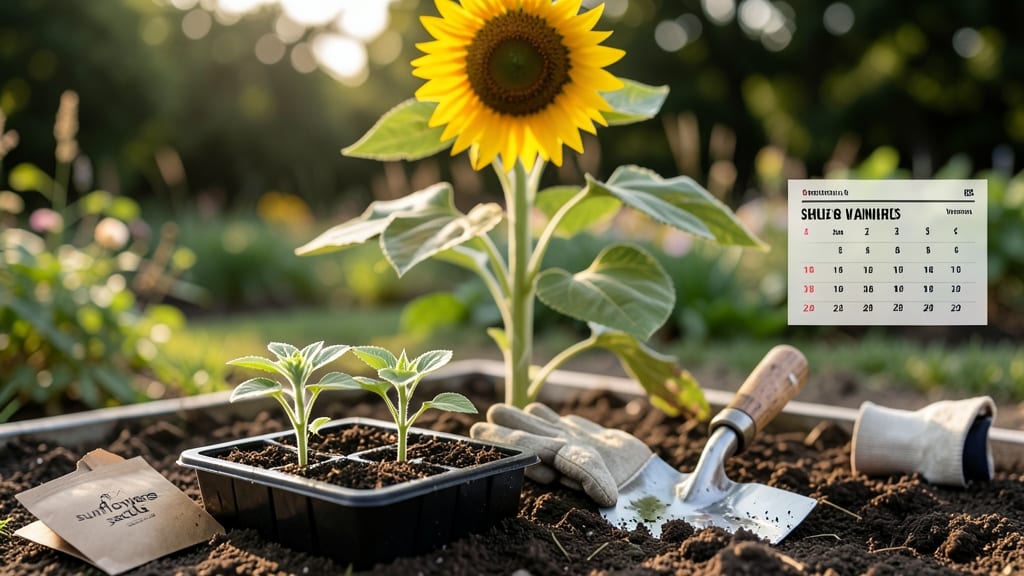
Planting sunflower seeds at the wrong time in Virginia can mean the difference between towering 🌻 blooms and sad, stunted plants that never reach their potential. The key isn't just throwing seeds in the ground—it's understanding your region's last frost dates and how they align with sunflowers' fast-growing nature.
Most Virginia gardeners should aim to plant sunflower seeds between mid-April and early June, once the soil has warmed and frost risk has passed.
But here's the catch: if you're in the cooler mountain regions (like USDA Zone 6a), you might need to wait until late May, while coastal areas can start as early as March. Timing this right ensures your sunflowers get the 6-8 hours of sunlight they crave each day.
I've learned the hard way that planting too early can leave seedlings vulnerable to late frosts, while waiting too long might mean your sunflowers bolt before they reach their full height.
The good news? Sunflowers are forgiving—they grow quickly, often reaching maturity in just 70-90 days, so even a slightly late start can still yield beautiful blooms by summer's end.
Ready to grow sunflowers that steal the show? Let's break down exactly when to plant in your specific Virginia region, which varieties thrive best, and how to give your seedlings the best possible start. You'll be harvesting those iconic yellow-brown seed heads before you know it.
Virginia’s last-frost dates by region: the perfect window for planting sunflower seeds
Virginia’s diverse climate means your sunflower seeds need precise timing to thrive. The state spans USDA zones 6a-8a, creating distinct planting windows based on last-frost dates.
In the Northern region (e.g., Shenandoah Valley), frost lingers until mid-April, while the Coastal Plain (e.g., Norfolk) sees its last freeze by early March. Mountain areas like Roanoke can wait until late April due to cooler microclimates.
Sunflowers are fast-growing annuals that need warm soil (at least 55°F) to germinate. Planting too early risks frost damage, but delaying too long can stunt growth before summer’s heat arrives. The ideal window for most Virginia regions is April to early May, with high-altitude areas shifting to June.
Below, I’ve broken down exact dates by region to help you plan.
| Region | Last Frost Date | Ideal Planting Window | USDA Zone | Notes |
|---|---|---|---|---|
| Northern Virginia (e.g., Winchester, Staunton) | Mid-April | Late April to early May | 6a-7a | Cooler soils; use black plastic mulch to warm soil faster. |
| Piedmont (e.g., Richmond, Charlottesville) | Early April | Mid-April to late April | 7a-7b | Moderate climate; ideal for dwarf varieties. |
| Coastal Plain (e.g., Virginia Beach, Norfolk) | Early March | Late March to early April | 8a | Warmest region; can plant earlier for fall blooms. |
| Mountains (e.g., Roanoke, Blacksburg) | Late April | June (for direct sowing) | 6a-6b | Short growing season; start indoors in March. |
If you’re unsure about your local last-frost date, use the National Weather Service’s frost prediction tool or check your USDA Plant Hardiness Zone Map.
For example, Northern Virginia’s USDA Zone 7a typically sees its last frost around April 15, while Zone 6a in the mountains may wait until May 1. Adjust for microclimates—south-facing slopes warm up faster, while valleys hold cold air longer.
For high-altitude gardens (e.g., Appalachian foothills), consider starting sunflower seeds indoors in March and transplanting after the last frost. This extends the growing season for tall varieties like ‘Russian Giant,’ which need 90+ days to mature.
In Coastal Plain regions, you can even plant a second crop in July for fall blooms, as the first frost rarely arrives before mid-October.
Sunflowers are drought-tolerant once established, but young seedlings need consistent moisture. After planting, water deeply once a week to encourage strong root growth. Avoid overwatering, which can lead to fungal diseases like powdery mildew—a common issue in Virginia’s humid summers.
Mulch around plants to retain moisture and suppress weeds, giving your sunflowers a competitive edge.
Pro tip: Use biodegradable seed starters or plant directly outdoors after the last frost. Sunflowers hate being transplanted, so avoid starting them indoors unless you’re in a high-altitude zone with a short growing season.
If you’re growing multiple varieties, space them at least 12 inches apart to prevent overcrowding and ensure each plant gets 6+ hours of sunlight daily.
Monitor local weather forecasts in the weeks leading up to planting. A late frost can devastate young seedlings, so have a row cover ready to protect tender plants.
In Northern Virginia, I’ve seen frost creep into May in rare years, so I always plant a test row a week before the average last-frost date to gauge soil warmth.
Remember, sunflowers are not frost-hardy, but their bright blooms are worth the effort. By aligning your planting with your region’s last-frost date, you’ll enjoy towering sunflowers that reach their full potential—adding height and color to your garden from summer through fall. Happy planting! 🌻
Best sunflower varieties for Virginia gardens: fast-growing vs. tall bloomers
Virginia’s sunny climate is perfect for growing sunflowers, but not all varieties thrive equally.
Whether you have a small balcony or a sprawling backyard, choosing the right type ensures vibrant blooms and minimal fuss. Fast-growing varieties like ‘Teddy Bear’ are ideal for quick color, while tall bloomers like ‘Russian Giant’ create stunning focal points.
Let’s explore the best options for your garden space and sunlight conditions.
Sunflowers in Virginia need full sun exposure (6+ hours daily) and well-draining soil to flourish. The key is matching your garden’s size and purpose to the right variety. Dwarf types work in containers, mid-height varieties excel as cut flowers, and giants dominate backyard landscapes.
Each type also has a different days-to-maturity timeline, so plan accordingly for your desired bloom time.
For small gardens or containers, the ‘Teddy Bear’ variety is a top pick. This dwarf sunflower reaches just 1-3 feet tall and matures in 50-60 days, making it perfect for balconies or window boxes.
Its bright yellow petals and quick growth make it ideal for beginners or urban gardeners with limited space. Plus, it’s deer-resistant, which is a bonus in Virginia’s rural areas.
If you’re growing sunflowers for cut flowers or bouquets, ‘Moulin Rouge’ is a stunning choice. This mid-height variety grows 5-6 feet tall and produces deep red blooms that last beautifully in arrangements.
With a 70-day maturity, it’s ready for harvest just in time for late summer weddings or fall decorations. Its compact growth habit also makes it great for mixed flower beds.
The ‘Russian Giant’ is the showstopper of Virginia sunflowers, reaching 10-14 feet tall with massive 16-inch blooms. This variety takes 90-120 days to mature, so plant it early (April) for a dramatic summer display.
However, its towering height requires staking or planting in wind-protected areas to prevent toppling. The trade-off? A stunning focal point that attracts pollinators and adds vertical interest to any landscape.
No matter which variety you choose, all sunflowers in Virginia benefit from well-draining soil and regular watering during dry spells. Mulching around the base helps retain moisture and suppresses weeds, giving your sunflowers the best chance to thrive.
With the right variety and care, your Virginia garden will soon be filled with cheerful sunflowers that brighten up every season.