
Flowers
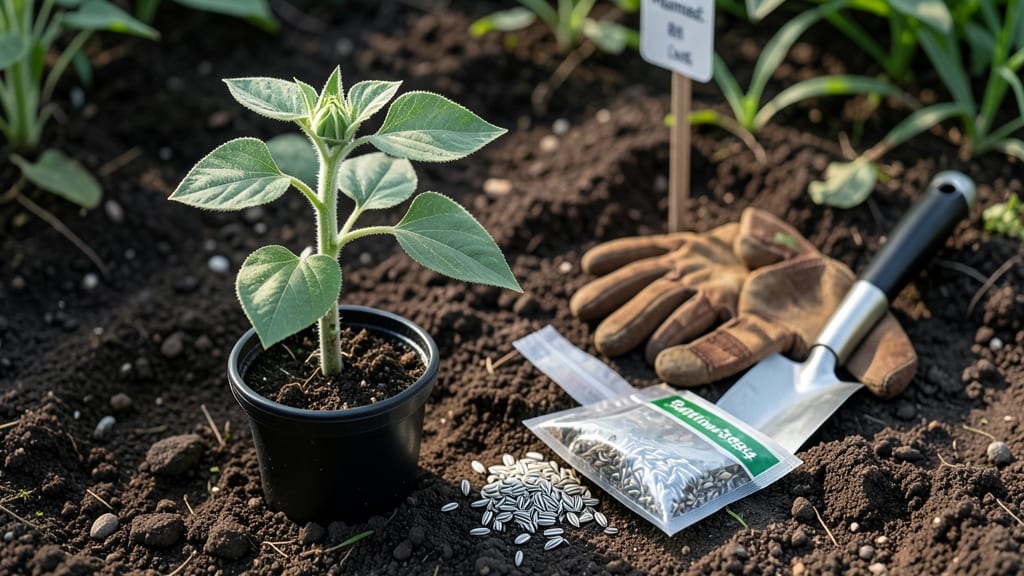
Planting sunflowers in Texas isn't just about dropping seeds in the dirt—it's about outsmarting the heat and timing your 🌻 for zero-frost survival. The wrong window means struggling through drought or watching them bolt before blooming, and Texas's varied zones (8a-10b) make this trickier than it sounds.
North Texas gardeners have a narrower February-April window, while Central and South Texas can stretch planting until May or even June. But here's the catch: soil needs to hit 50°F before seeds go in, or you'll waste time waiting for warmth that never comes.
I've learned the hard way that late varieties need extra care in Texas's brutal summers, and drought-resistant types like 'Russian Giant' often outperform showy but delicate ones. Let me show you exactly when to plant for maximum blooms—and how to adjust for heatwaves or humidity.
Whether you're a first-timer or a seasoned gardener, these regional deadlines will save you from wilting disappointment. Ready to grow sunflowers that reach for the sky instead of the ground?
Texas heat-Zone planting deadlines for sunflowers (by region)
Texas’s diverse heat zones create unique challenges for sunflower growers. From the frost-prone Panhandle to the tropical-like Rio Grande Valley, each region demands precise timing to avoid early frost damage or summer heat stress.
Sunflowers love heat but need 60-90 days of steady growth before Texas’s 100°F+ temperatures arrive. Plant too early, and seedlings may rot; too late, and your blooms will bolt before reaching their full glory.
I’ve broken down the optimal planting windows for Texas’s 11 heat zones, accounting for last frost dates, soil warmth, and summer heat tolerance.
Whether you’re in Zone 8a (North Texas) or Zone 10b (South Texas), these deadlines ensure your sunflowers thrive before the relentless Texas sun takes over.
| Heat Zone | Last Frost Date | Ideal Planting Window | Soil Temp Requirement | Notes |
|---|---|---|---|---|
| 8a (Panhandle) | February 15 | February 20 - March 31 | 50°F+ (10°C) | Use row covers for early plantings. |
| 8b (North Texas) | February 28 | March 1 - April 15 | 55°F+ (13°C) | Dwarf varieties work well for late plantings. |
| 9a (Central Texas) | March 1 | March 15 - April 30 | 60°F+ (16°C) | Best for standard and giant varieties. |
| 9b (Hill Country) | March 15 | March 30 - May 15 | 65°F+ (18°C) | Succession plant for fall blooms. |
| 10a (East Texas) | January 31 | February 20 - June 1 | 60°F+ (16°C) | Long growing season allows multiple plantings. |
| 10b (South Texas) | January 31 | March 1 - July 15 | 70°F+ (21°C) | Drought-resistant varieties recommended. |
| 11a (Rio Grande Valley) | None (tropical) | September 1 - November 15 | 75°F+ (24°C) | Fall planting avoids extreme summer heat. |
In Zone 8a (Panhandle), where frosts linger until mid-February, I recommend starting seeds indoors by February 1 for a head start. Direct-sow outdoors after February 20 when soil warms to 50°F.
How to adjust planting time for Texas’s extreme weather (droughts, heatwaves, and humidity)
Texas’s unpredictable heat and drought conditions can turn sunflower planting into a high-stakes game of timing. While most gardeners aim for spring, late-summer sunflowers can still thrive with the right adjustments. The key is understanding how to extend viability during extreme weather while avoiding heat stress or waterlogging.
For North Texas, where last frosts linger until mid-February, focus on early spring planting. But in South Texas, where summer heat arrives by June, late-summer succession planting becomes essential. The solution? Shade-cloth techniques, soil moisture management, and strategic succession planting for fall blooms.
- 1 Use shade cloth (30-50%) for late-summer plantings to reduce heat stress. Install over seedlings until they establish roots, typically 2-3 weeks after germination.
- 2 Mulch heavily with 2-3 inches of straw to retain soil moisture and regulate temperature. Replenish mulch every 4-6 weeks during peak summer.
- 3 Water deeply at dawn to minimize evaporation. Aim for 1-2 inches of water per week, adjusting for rainfall. Use drip irrigation to avoid wetting foliage.
- 4 Plant drought-resistant varieties like 'ProCut' or 'Autumn Beauty' for late-summer successions. These tolerate 90°F+ temperatures better than standard types.
- 5 Succession plant every 2 weeks from June to August for continuous blooms. Choose fast-maturing varieties (50-60 days) to avoid fall frosts.
For fall blooms, start late-summer plantings in August using shade cloth to protect young seedlings. Remove the cloth once plants reach 12 inches tall, allowing them to harden off before September’s heat. This method extends your sunflower season into October or even November in milder zones.
Monitor soil moisture closely—Texas’s clay-heavy soils can bake hard during droughts. Amend with compost or peat moss to improve drainage and water retention. For container-grown sunflowers, use self-watering pots to prevent root stress.
Don’t let Texas’s extreme weather limit your sunflower dreams. With these adjustments, you can enjoy vibrant blooms from spring to fall, even in the hottest months. 🌻