
Plants
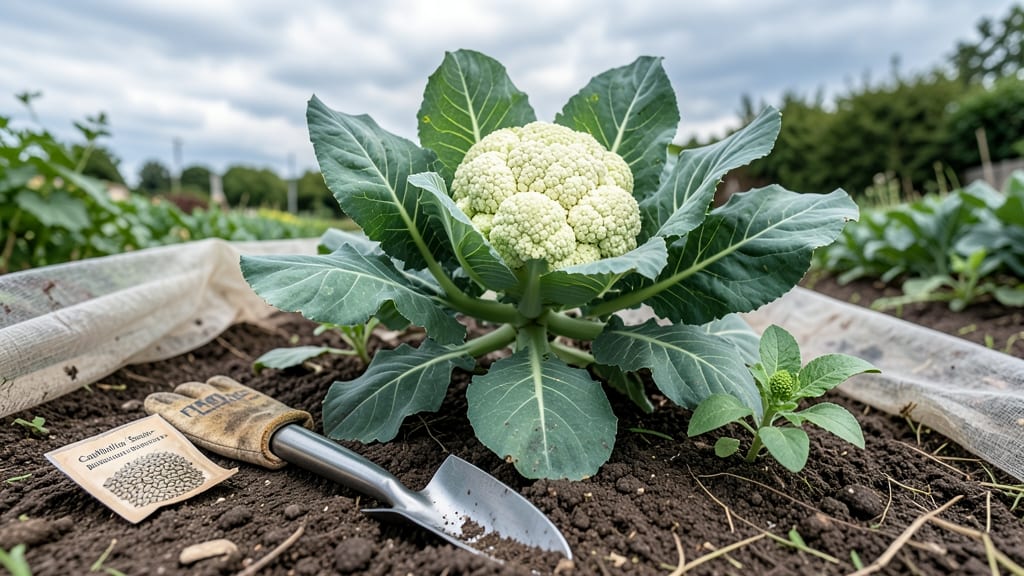
Planting cauliflower 🥬 in Georgia isn’t just about throwing seeds in the dirt—it’s a delicate dance with frost dates and summer heat that can make or break your harvest. Skip the right timing, and you’ll either get frost-nipped heads or bitter, bolted plants that taste like disappointment.
I’ve grown cauliflower in Georgia’s 7b-8b zones for years, and the difference between a thriving crop and a failed experiment comes down to one key factor: knowing exactly when to plant for your specific microclimate.
Whether you’re in Atlanta’s cooler hills or Savannah’s coastal warmth, the right window ensures your plants mature before summer’s relentless heat takes over.
Here’s what you need to know: fall planting (August-September) is your safest bet, but spring (February-March) can work if you’re strategic. I’ll walk you through the exact frost-date cheat sheet that’s saved my harvests—and how to adjust for Georgia’s tricky heat tolerance challenges.
Ready to grow perfect heads instead of struggling with bolting or frost damage? Let’s get your cauliflower on the right schedule for a bountiful fall harvest.
Georgia’s cauliflower planting calendar by frost zones (7a-8b)
Cauliflower thrives in Georgia’s cooler months, but the exact timing depends on your USDA zone. In Zone 7a (northwest GA, like Dalton), you’ll need to adjust 2-3 weeks earlier than Zone 8b (coastal areas like Savannah).
I’ve broken down the optimal planting windows for both transplants and direct sowing to ensure frost-free head formation.
Most Georgia gardeners focus on fall and spring plantings, avoiding the scorching summer heat that causes cauliflower to bolt. For Zone 7a, aim for late February to early March for spring and mid-August to early September for fall.
In Zone 8b, you can push spring planting to early March and fall to early September, thanks to milder winters.
Here’s your frost-date cheat sheet with zone-specific adjustments for Atlanta (Zone 7b) and Savannah (Zone 8a). Remember, transplants give you a 4-6 week head start over direct sowing, which is critical in Georgia’s short cool-season window.
| Zone | Spring Planting Window | Fall Planting Window | Last Frost Date | First Frost Date | Best Method |
|---|---|---|---|---|---|
| 7a (Dalton, Rome) | Late Feb - Early Mar | Mid-Aug - Early Sep | Mid-March | Mid-November | Transplants (4-6 wks before last frost) |
| 7b (Atlanta, Athens) | Early Mar - Mid-Mar | Late Aug - Early Sep | Late March | Late November | Transplants or direct sow (6-8 wks before last frost) |
| 8a (Macon, Columbus) | Mid-Mar - Early Apr | Early Sep - Mid-Sep | Early April | Early December | Direct sow or transplants (8 wks before last frost) |
| 8b (Savannah, Brunswick) | Early Apr - Mid-Apr | Mid-Sep - Late Sep | Mid-April | Mid-December | Direct sow preferred (10 wks before first frost) |
For spring plantings, I recommend starting transplants indoors 6-8 weeks before your last frost date. In Zone 7a, that means mid-January starts, while Zone 8b gardeners can wait until late February.
Harden off seedlings for 10-14 days before transplanting to avoid shock from Georgia’s humid air.
Fall plantings are trickier because daylength shortens as summer ends. In Zone 7a, seed directly 8-10 weeks before first frost (so mid-September for a November harvest).
In Zone 8b, you can push it to late September for a December harvest, but use row covers to protect from light frosts.
Pro tip: Extend your season with shade cloth (30-50% shade) during peak summer heat (June-August). This prevents bolting and keeps heads tight and white. I’ve had success with ‘Snowball Y Improved’ under shade in Zone 8a during July, yielding edible heads by early September.
If you’re in Zone 7a, don’t skip winter plantings under row covers. I’ve grown ‘Purple of Sicily’ from October to February with minimal frost damage. Just monitor soil temps—cauliflower needs 45°F+ to germinate. Use a soil thermometer to avoid cold-soil failures.
For direct sowing, work compost into beds to improve drainage—Georgia’s clay-heavy soils can cause rot
How to adjust planting for Georgia’s microclimates (heat tolerance & frost risks)
Georgia’s microclimates can turn your cauliflower 🥬 dreams into nightmares if you’re not prepared. In Macon’s inland heat, summer temps hit 95°F+ by June, while coastal Brunswick stays 10°F cooler due to ocean breezes.
These differences mean your planting strategy must adapt—or your plants will either bolt prematurely or get fried before forming heads.
Fall planting (August-September) is your safest bet across most of Georgia, but the coastal regions can handle slightly later starts due to milder nights. Meanwhile, spring plantings in Zone 7b (like Atlanta) risk frost damage if you’re not careful.
I’ll show you how to tweak your approach based on where you garden—and how to spot the first signs of trouble before it’s too late.
🌡️ Georgia Microclimate Planting Adjustments
🔥 High-Heat Areas (Macon, Athens)
- ✅ Pros: Longer growing season
- ✅ Pros: Less frost risk in fall
- ✅ Pros: Ideal for late August starts
- ❌ Cons: Heat stress after June
- ❌ Cons: Bolting risk if planted too early
- ❌ Cons: Needs shade cloth in peak summer
🌊 Coastal Regions (Savannah, Brunswick)
- ✅ Pros: Cooler nights extend growing season
- ✅ Pros: Lower bolting risk
- ✅ Pros: Can plant 2 weeks later than inland
- ❌ Cons: Higher humidity increases disease
- ❌ Cons: Salt spray near coast can damage leaves
- ❌ Cons: Frost possible as early as October
For high-heat zones, I recommend using 30-40% shade cloth once temps hit 85°F to prevent bolting. Water deeply early in the morning to keep soil moisture consistent—cauliflower roots are shallow and hate drying out. Look for yellowing leaves or stretched stems as early signs of heat stress.
In coastal areas, focus on soil moisture tricks like mulching with straw to retain humidity. These regions can handle late August starts without bolting, but watch for fungal diseases like downy mildew. If you see white powdery spots on leaves, act fast with a copper fungicide spray.
Spring plantings are trickier—only attempt them in Zone 8b (like Savannah) where frost is rare. Even then, use row covers until soil warms to 50°F. The biggest mistake I see?
Planting too close to the last frost date and ending up with stunted heads. Always aim to transplant 4-6 weeks before your average last frost.
Pro tip: Spot-check your plants daily in the afternoon for early bolting signs. If the flower stalk starts to rise, your harvest window just closed. In Georgia’s heat, speed is everything—once bolting starts, there’s no turning back.