
Flowers
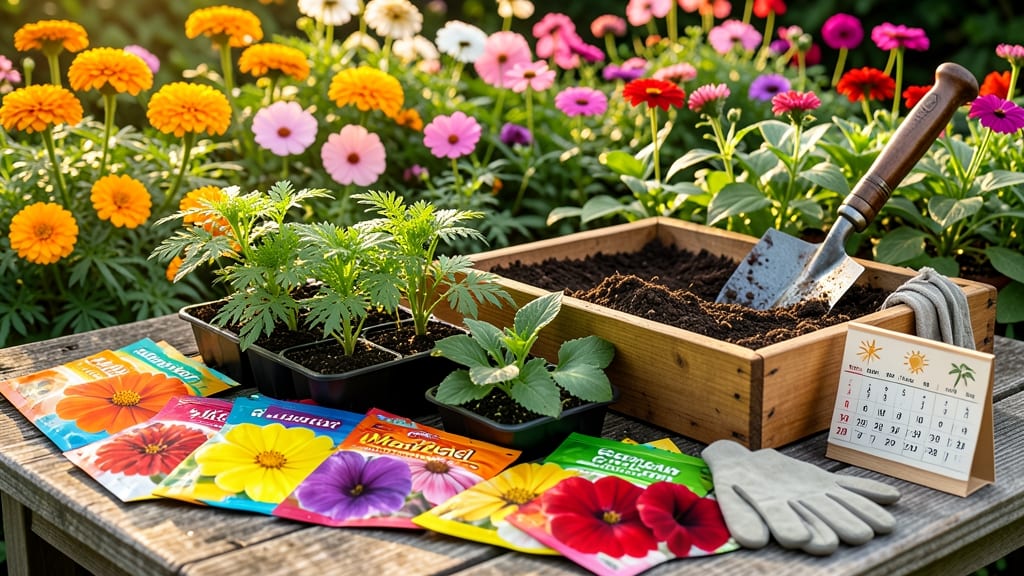
Timing your flower seed planting in Illinois is the key to beating those unpredictable late frosts that can turn your garden dreams into a sad, brown mess.
With USDA Zones 5-6 and frost dates that shift yearly, getting it right means the difference between a garden bursting with 🌸 color and a season of missed blooms.
Most gardeners in Illinois wait until after the last frost—usually around mid-April—but some cold-hardy flowers can handle being planted earlier. The secret? Knowing which varieties thrive in chilly soil and when to give them a head start indoors.
Whether you're in Chicago or southern Illinois, the right timing ensures your seeds germinate before the ground freezes again.
In this guide, I’ll break down the best months to plant flower seeds in Illinois, from March’s early sowings to fall’s second chance for late bloomers. You’ll also discover frost-resistant flowers that won’t wilt under Illinois’ whims and practical tips to protect seedlings from late-season surprises.
Ready to transform your garden into a vibrant escape? Let’s dive into the planting windows that work—and why they matter for your Illinois garden’s success.
Illinois flower seed planting calendar: month-by-month frost survival guide
Timing your flower seed planting in Illinois is all about beating the late spring frosts that can strike until mid-May in many regions. With USDA Zones 4-6, your garden faces unpredictable temperature swings—especially in northern Illinois.
The key is planting cold-hardy annuals and perennials at the right time to ensure they establish roots before frost threatens.
Northern Illinois (Zones 4-5) typically sees its last frost around April 15-30, while southern Illinois (Zone 6) averages May 1-15. This two-week difference means your planting schedule should shift based on your location.
For example, cosmos and snapdragons can handle light frosts, while marigolds and zinnia need warmer soil to germinate.
Direct sowing is often safer than transplanting in Illinois because seedlings are less vulnerable to temperature fluctuations. However, starting some seeds indoors 4-6 weeks before your last frost date gives you a head start.
For hardy perennials like coneflowers or black-eyed Susans, fall planting (August-September) is also an option—they’ll establish roots before winter dormancy.
Here’s a quick rule of thumb: Soil temperature matters more than air temperature. Use a soil thermometer to confirm 50°F (10°C) for cool-season flowers and 60°F (15°C) for warm-season varieties. In Illinois, this often aligns with late April to early May for most regions, but always check local frost dates.
| Month | Planting Method | Best Flower Seeds | Frost Survival Tip | Soil Temp Requirement |
|---|---|---|---|---|
| March | Direct sow or start indoors | Pansies, Sweet Alyssum, Calendula | Use row covers for extra protection | 40-50°F (4-10°C) |
| April | Direct sow or transplant hardened-off seedlings | Cosmos, Snapdragons, Larkspur | Choose sheltered locations | 50-60°F (10-15°C) |
| May | Direct sow after last frost | Marigolds, Zinnias, Sunflowers | Monitor nighttime temps | 60-70°F (15-21°C) |
| August | Direct sow for fall blooms | Aster, Goldenrod, Black-Eyed Susan | Water deeply to establish roots | 50-60°F (10-15°C) |
| September | Direct sow hardy perennials | Coneflowers, Shasta Daisies | Mulch to protect from early frost | 45-55°F (7-13°C) |
For northern Illinois gardeners, focus on early April plantings of cold-tolerant annuals like sweet alyssum or stock flowers. These can handle light frosts and even bloom in cooler weather.
In contrast, southern Illinois can extend planting into early May for warm-season favorites like zinnias or sunflowers, which won’t germinate until soil warms.
One of my favorite tricks is using black plastic mulch in early spring to warm the soil faster. This lets you plant warm-season flowers like marigolds 1-2 weeks earlier.
Just remove the mulch once seedlings emerge to prevent overheating. Pair this with cloche protection for the first 2 weeks, and you’ll give your flowers a strong start.
Don’t overlook fall planting—it’s a smart way to beat Illinois’ unpredictable springs. Perennials like coneflowers or black-eyed Susans sown in late August will establish roots before winter and burst into bloom the following year. This strategy also reduces competition from weeds in spring.
If you’re unsure about your local frost dates, check the Illinois State Water Survey or your county extension office for updated averages. Even a 5-day delay in planting can mean the difference between thriving seedlings and frost damage.
For example, cosmos seeds sown in mid-April in Chicago might survive a late frost, while the same seeds planted in late May could struggle with summer heat.
Pro tip: Keep a gardening journal to track your local frost dates and planting success. Note which flowers thrive in your microclimate—perhaps your south-facing bed warms up faster than the rest of the garden. Over time, you’ll refine your schedule to match your unique Illinois growing conditions.
Top 5 cold-hardy flower seeds for Illinois gardens (with frost tolerance ratings)
Illinois gardeners know the struggle—late frosts can wipe out tender seedlings in a single night. But with the right cold-hardy flower seeds, you can beat the frost and enjoy vibrant blooms from spring to fall.
These top 5 varieties are proven survivors in USDA Zones 5-6, withstanding temperatures as low as 25°F (-4°C) and even recovering after light frosts.
Each selection balances frost tolerance with bloom time, so you get both resilience and beauty. Whether you're planting in Chicago’s Zone 5b or southern Illinois’ Zone 6a, these flowers will reward your patience with long-lasting color. Let’s dive into the rankings, starting with the toughest survivors.
Sweet Alyssum tops the list for its exceptional frost tolerance, handling temperatures down to 15°F (-9°C) and even recovering from light frosts. Plant these low-growing annuals at a depth of 1/4 inch in well-draining soil, and they’ll carpet your garden with sweet-scented blooms from early spring to frost. Their partial shade tolerance makes them perfect for underplanting roses or shrubs.
Snapdragons are my go-to for long-stemmed blooms that thrive in full sun to partial shade. Sow seeds 1/4 inch deep after the last frost (mid-May in most of Illinois) for bold vertical accents in borders. While they prefer consistent moisture, they bounce back quickly after frost if protected with a light row cover. Choose early varieties like 'Tall Universe' for 60-day blooms.
Cosmos are the drought-tolerant superstars of Illinois gardens, surviving 25°F (-4°C) frosts and thriving in poor soil. Direct-sow seeds 1/2 inch deep in late spring (after May 1) for self-seeding reliability. Their airy blooms attract pollinators and cut well for arrangements. Just be patient—they take 60-70 days to bloom but reward you with months of color.
For height and drama, Larkspur delivers spiky blooms that tolerate 28°F (-2°C) once established. Plant seeds 1/4 inch deep in well-drained soil and stake tall varieties to prevent flopping.
Larkspur loves cool spring weather, making it ideal for early summer planting (June). Deadhead spent blooms to encourage continuous flowering.
Finally, Calendula (pot marigold) earns its spot for edible petals and pest-repelling properties. These full-sun lovers handle 25°F (-4°C) frosts and bloom prolifically when sown 1/2 inch deep after April 15. Harvest petals for teas or salads while enjoying their bright orange and yellow flowers. They’re also