
Flowers
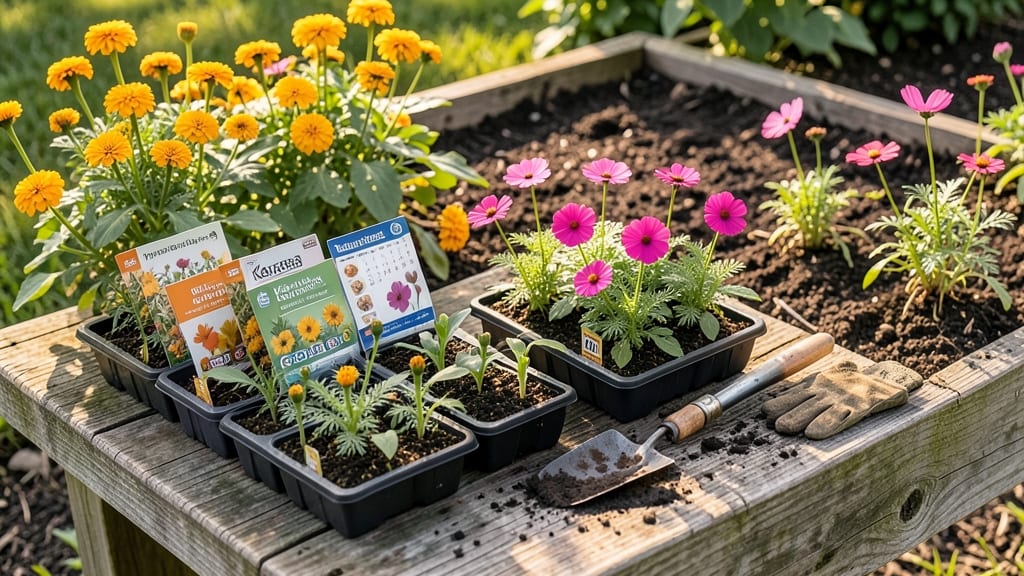
Planting flower seeds 🌸 in Kansas isn’t just about tossing them into the dirt—it’s about catching that perfect window between frost and scorching heat. Get the timing wrong, and you’ll either lose your seedlings to a late freeze or watch your blooms wilt before summer even arrives.
The key? Knowing your USDA zone and adjusting for Kansas’ unpredictable swings from 5b to 7a.
Most gardeners in Kansas aim for two main planting seasons: early spring (after the last frost, around mid-March) and late summer (August through September) for fall blooms.
But here’s the catch—western Kansas (Zone 5b-6a) has earlier frost dates than eastern Kansas (Zone 6b-7a), so your neighbors might be planting weeks before or after you.
Whether you’re dreaming of vibrant zinnias or fragrant lavender, I’ll break down the exact months to plant, plus how to handle Kansas’ quirks—like drought-prone soil or windy fields. You’ll learn which flowers thrive in spring’s cooler temps and which need the heat of summer to take off.
Ready to turn your Kansas garden into a year-round showstopper? Let’s dive into the precise planting schedule that’ll give you blooms from spring to fall—without the guesswork.
Kansas flower seed planting calendar by month (zones 5-7)
Kansas’ USDA Zones 5-7 offer a 180-day frost-free window, but timing flower seed planting correctly ensures vibrant blooms. Western Kansas (Zone 5-6) typically has earlier last frosts (mid-April) than eastern areas (Zone 7, late April). Adjust planting dates 1-2 weeks later in humid eastern regions to avoid fungal risks.
Cool-season flowers like pansies and snapdragons thrive when sown 4-6 weeks before last frost—ideal for March in western Kansas and late March in eastern areas.
Warm-season favorites such as zinnias and marigolds need soil temps above 60°F, making mid-May to early June the perfect window for direct sowing.
Fall planting is equally critical: Start warm-season bloomers like cosmos in late July to ensure they mature before first frost (mid-October). Cool-season perennials, such as aster and black-eyed Susan, can be sown as late as early September for spring blooms.
🌱
For western Kansas, shift all dates 1 week earlier due to drier conditions and earlier soil warming. In humid eastern regions, delay warm-season sowing by 10-14 days to avoid fungal diseases like powdery mildew. Always test soil moisture before planting—Kansas’ variable rainfall can delay germination.
Use row covers for early spring sowings to protect seedlings from late frosts, which can occur as late as May 1 in Zone 5. Mulch heavily after planting to retain soil moisture during summer droughts, especially for drought-tolerant varieties like blanket flower or Russian sage.
🌿
Perennials like daylilies and bee balm can be sown directly in early spring (March) or fall (September) for established roots before winter. Avoid overcrowding—thin seedlings to 12-18 inches apart for optimal airflow and reduced disease risk. Succession planting every 2-3 weeks from May to July ensures <
How to adjust planting dates for Kansas’ unpredictable weather
Kansas’ weather can shift faster than a prairie wind, making planting dates tricky. In Wichita (Zone 7a), summer heat arrives early, while Kansas City (Zone 6b) faces more humidity and delayed frosts.
These microclimates mean your roses or lavender might thrive in one area but struggle just 50 miles away.
Late frosts in April or early heatwaves in May can derail even the best-laid plans. That’s why I’ve tested backup planting dates for high-value flowers—because a 10-day delay can mean the difference between a lush garden and a sad, wilted disappointment.
Kansas’ last frost date varies by 10-14 days across the state. Use these microclimate rules:
- Eastern KS (Kansas City): Wait until April 25 for heat-loving seeds like zinnias or marigolds.
- Western KS (Wichita): Plant cool-season flowers (e.g., pansies) by March 10 to avoid drought stress.
- Backup dates: If frost hits after April 15, use row covers or move potted flowers indoors temporarily.
For roses and lavender, which need extra care, I recommend soil warming in March. Spread black plastic mulch 2 weeks before planting to raise soil temps by 5-10°F. This trick helps delicate perennials like peony seeds germinate faster in cooler zones.
Drought is another Kansas wildcard. In western regions, I prioritize drought-resistant flowers like blanket flower or yarrow, which tolerate low moisture once established. For these, deep watering every 7-10 days beats frequent shallow watering—it encourages deeper root growth.
Row covers are my secret weapon against unpredictable frosts. For late-May plantings, I use floating row covers to protect tomato flowers (yes, they’re flowers too!) and annuals like petunias until June 1. These covers also shield young plants from windburn, common in Kansas’ flat terrain.
If all else fails, have a backup planting plan. For high-value flowers, I keep a few transplants on standby in seedling trays under grow lights.
This way, if May’s rain delays outdoor planting, I can pop them in the ground by June 10—just in time for summer blooms.