
Flowers
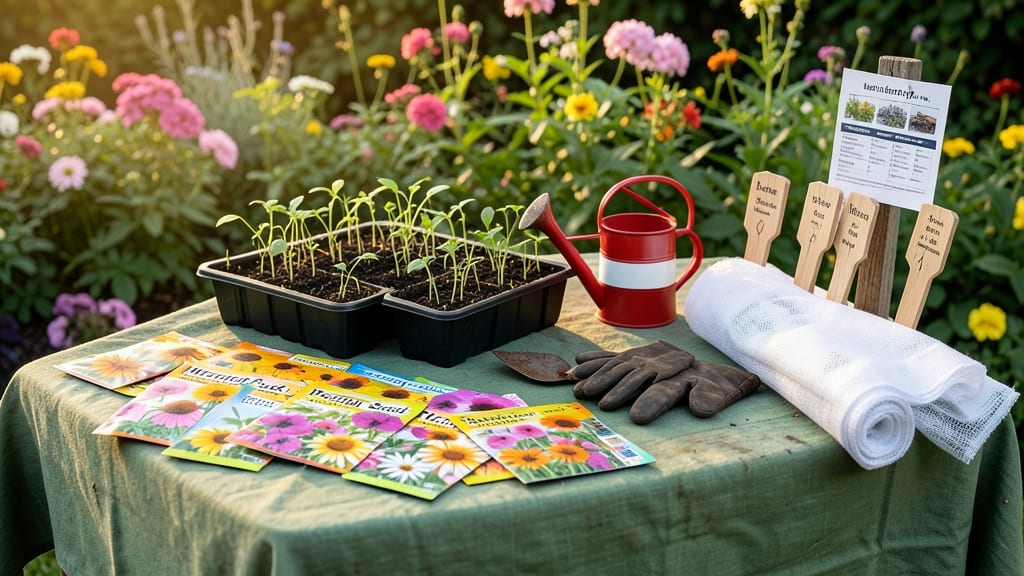
Planting flower seeds in Minnesota at the wrong time can mean the difference between a garden bursting with 🌸 color and a sad, frost-nipped disappointment.
With USDA Zone 4’s short growing season, getting those seeds in the ground at the perfect moment—whether indoors or outdoors—isn’t just helpful, it’s essential for blooms that last all summer.
Most gardeners in Minnesota know the basics: wait until after the last frost or start seeds indoors. But here’s the catch—your exact timing depends on whether you’re growing annuals like marigolds, perennials like coneflowers, or even bulbs.
A 5-day difference in planting can shift your garden from thriving to struggling, especially when late frosts sneak in.
I’ve spent years testing what works in Minnesota’s unpredictable climate, and I’m about to share the exact windows you need to know. From indoor starts to direct sowing, we’ll cover everything so your flower seeds get the head start they deserve—no more guessing games, just vibrant blooms.
Ready to transform your garden? Let’s dive into the step-by-step timing that’ll have your flowers blooming like clockwork, no matter where you are in the state.
Minnesota flower seed planting calendar by type: annuals vs perennials vs bulbs
Minnesota gardeners know timing is everything—especially when planting flower seeds. With USDA Zone 4 frost dates ranging from late April to mid-May for the last frost, and first frosts hitting as early as mid-September, your planting window is tight.
Annuals like marigolds and zinnias need precise timing, while perennials like coneflowers and black-eyed Susans can be more forgiving. Bulbs like tulips and daffodils have their own rules entirely.
To maximize blooms, I’ve broken down the ideal planting schedule by type, including when to start seeds indoors vs. direct sowing outdoors. Minnesota’s microclimates (like the Twin Cities vs. northern regions) also play a role—so adjust these dates if you’re in a colder area.
Let’s dive into the specifics to ensure your garden thrives from spring to fall.
| Plant Type | Indoor Start (Weeks Before Last Frost) | Outdoor Sowing (After Last Frost) | Soil Temp Requirement | Notes |
|---|---|---|---|---|
| Annuals (Marigolds, Zinnias, Petunias) | 6-8 weeks | Mid-May to early June | 50°F+ (10°C+) | Use row covers for early sowing |
| Perennials (Coneflowers, Black-Eyed Susans, Lavender) | 4-6 weeks (or direct sow in spring) | Early May to late May | 45°F+ (7°C+) | Hardier; can handle cooler soil |
| Bulbs (Tulips, Daffodils, Hyacinths) | 8-10 weeks (fall planting) | September to October | 60°F+ (15°C+) | Plant bulbs in fall for spring blooms |
| Cool-Season Annuals (Sweet Alyssum, Snapdragons) | 4-6 weeks | Early April to late April (or fall) | 40°F+ (4°C+) | Tolerates light frost; great for early color |
For annual flowers, like marigolds and zinnias, I recommend starting seeds indoors 6-8 weeks before your last frost date. In Minnesota, that’s typically mid-March to early April for most regions. These warm-season lovers need the head start to bloom by June or July.
If you’re sowing directly outdoors, wait until the soil warms to at least 50°F (10°C), usually around mid-May.
Perennials, such as coneflowers and black-eyed Susans, are more adaptable. You can start them indoors 4-6 weeks before last frost or sow directly in early May once the ground thaws.
These plants establish roots quickly and often bloom their first year. Lavender, for example, thrives when planted in well-draining soil and full sun, making it perfect for Minnesota’s rocky terrain.
Bulbs like tulips and daffodils follow a different rhythm—they need to be planted in fall, typically between September and October, to naturalize and bloom the following spring. The key is getting them in the ground before the soil freezes.
For spring-blooming bulbs, aim for 60°F (15°C) soil temps or cooler. This timing ensures they’ll push through snow for early spring color.
Don’t overlook cool-season annuals like sweet alyssum and snapdragons, which can handle Minnesota’s early spring chills. Start these indoors 4-6 weeks before last frost or sow directly in April if you’re brave enough.
They’ll reward you with bright blooms by May, adding color to your garden before summer arrives. For late bloomers, consider cosmos or sunflowers, which can be sown directly in late May and still thrive.
Pro tip: Use row covers or cloches to protect
How to adjust planting dates for Minnesota’s unpredictable weather patterns
Minnesota’s unpredictable frost dates and shifting climate make planting flower seeds tricky. While average last frost dates suggest mid-May, a late snowstorm or early freeze can throw off even the best-laid plans. The key to success lies in flexible timing strategies that account for regional microclimates and real-time conditions.
Northern Minnesota (e.g., Duluth) often sees frost until May 20, while the Twin Cities average May 10. Southern regions like Rochester can be frost-free by early May.
These variations mean your planting window might shift by weeks depending on where you garden. Adjusting based on local weather trends and soil temperature is non-negotiable.
Minnesota’s 2020 late spring delayed planting by 3 weeks in many areas, while 2021’s early frost caught gardeners off guard in September. Use the University of Minnesota Extension’s frost date maps (extension.umn.edu) as a starting point, but always verify with a soil thermometer.
If soil temps stay below 50°F (10°C) for more than 3 days, delay planting until conditions improve.
Start by tracking weekly frost forecasts from the National Weather Service for your specific county. Tools like the Old Farmer’s Almanac provide historical data, but cross-reference with local gardening groups on Facebook or community forums.
For example, if your area has a history of late May frosts, wait until June 1 to plant tender annuals like marigolds or petunias.
For northern Minnesota, consider starting cold-hardy flowers like black-eyed Susans or coreopsis indoors 8 weeks before your average last frost. Use a seed heat mat to accelerate germination if your home stays cool.
In the Twin Cities, you can often sow directly outdoors by late April for hardy varieties, but cover seeds with row fabric to protect against unexpected cold snaps.
Adjust for early frosts by choosing late-blooming varieties or using frost cloth to extend the season. For instance, cosmos and zinnias can tolerate light frosts and often rebound after a 28°F (-2°C) dip.
In contrast, geraniums and impatiens need warmer soil and should wait until after May 15 in most regions.
Finally, keep a gardening journal to note when you adjust planting dates and how your flowers perform. Over time, you’ll spot patterns—like 2023’s unusually warm April in St. Cloud—that let you fine-tune your schedule.
With these strategies, you’ll turn Minnesota’s unpredictable weather into an advantage, ensuring your flower seeds thrive year after year.