
Flowers
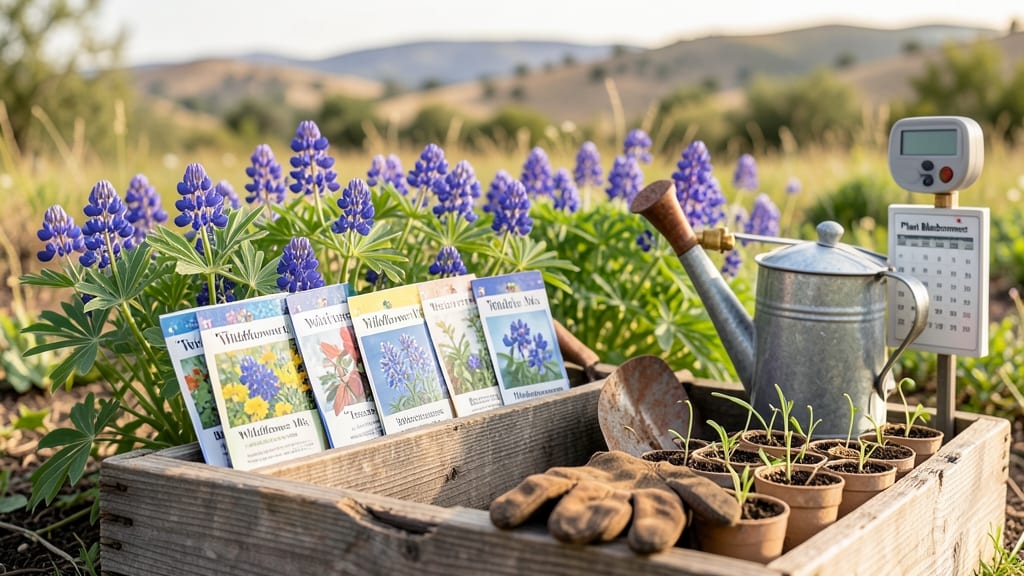
Planting flower seeds in Texas isn’t just about throwing them in the dirt—it’s about timing them perfectly to beat the heat, avoid frost, and unlock a garden bursting with 🌸 vibrant blooms all year.
Whether you’re in North Texas’s chilly Zone 8a or South Texas’s balmy 10b, getting the months right means the difference between wilting disappointment and a showstopping display.
I’ve learned the hard way that rushing spring plantings can leave seedlings crispy, while waiting too long risks missing the ideal bloom windows of March-May and September-November. The secret?
Aligning your schedule with Texas’s frost-free dates—like planting cool-season flowers (think pansies or snapdragons) by February 15 in Central Texas or heat-lovers (zinnias, lantana) after April 1.
What if you could stretch your blooms from winter to fall without gaps? That’s exactly what I’ll show you—how to stagger plantings, choose the right flowers for each zone, and protect your garden from Texas’s unpredictable freezes or scorching summers.
No more guessing; just a foolproof plan for a garden that thrives.
Ready to transform your yard into a nonstop floral paradise? Let’s dive into the exact months, prep steps, and care tips that’ll make your flower seeds thrive—no matter where you are in the Lone Star State.
Texas flower seed planting calendar by season: best months for Zone 8-9 success
Timing is everything in Texas gardening, where last frost dates can vary by 2 months from North to South. In Zone 8-9, your planting schedule must account for cool-season champions like pansies and heat-tolerant powerhouses like zinnias—each with its own ideal window.
I’ve broken down the month-by-month strategy to maximize blooms without wasting seeds.
North Texas gardeners face earlier freezes (average November 15 first frost), while South Texas enjoys 300 frost-free days annually. This means spring planting starts 2 weeks earlier in the Hill Country than in the Panhandle.
The key? Stagger your sowing to avoid seasonal gaps and protect seedlings from late cold snaps.
For cool-season flowers like snapdragons and sweet alyssum, I recommend starting seeds indoors in February (6-8 weeks before last frost). Heat-lovers such as lantana and sunflowers, however, should wait until April 15 or later—when soil temps hit 65°F+.
Let’s dive into the monthly breakdown that keeps my Texas garden blooming year-round.
| Month | Best Flowers to Plant | Key Notes | North TX Deadline | South TX Deadline |
|---|---|---|---|---|
| February | Pansies, Sweet Alyssum, Calendula | Start indoors; hardy to 28°F | March 15 | April 1 |
| March | Snapdragons, Stock, Larkspur | Direct sow after last frost; needs cool nights | April 15 | April 15 |
| April | Zinnias, Sunflowers, Marigolds | Wait until soil is 65°F+; full sun | May 1 | May 15 |
| May | Cosmos, Portulaca, Lantana | Drought-tolerant; sow after May 10 | June 1 | June 15 |
| August | Amaranth, Celosia, Sweet Peas | Fall planting; 8-10 weeks before frost | September 15 | October 15 |
| September | Pansies, Dianthus, Stock | Cool-season stars; protect from late heat | October 15 | November 1 |
In February, I focus on cool-loving annuals like pansies, which thrive in 50-60°F soil. These flowers handle light frosts and even brief freezes, making them perfect for North Texas gardeners.
I start seeds indoors under grow lights to give them a head start before transplanting after March 15. For South Texas, where winters are milder, you can direct-sow outdoors in late February.
By March, the real action begins. This is when I plant biennials like snapdragons and stock, which need cool nights to set buds. I mark my calendar for March 15 (North TX) and March 1 (South TX) as the last frost dates to guide my outdoor sowing.
Pro tip: Use row covers if late frosts threaten—my 2022 snapdragons survived a 28°F night with this trick!
April is all about heat-tolerant annuals. I wait until soil temps hit 65°F (usually mid-April) to sow zinnias and sunflowers. These sun-worshippers need 6+ hours of direct light, so I choose the sunniest spots in my garden.
For North Texas, April 15 is my cutoff—after that, the heat arrives too fast for tender seedlings.
Summer planting gets tricky in Texas, but May is your last chance
How to extend your Texas flower season: staggered planting and succession tips
Staggered planting turns seasonal blooms into year-round color in your Texas garden. By sowing seeds every 2-3 weeks, you create a continuous flower display that avoids those dreaded gaps between seasonal blooms.
This technique works especially well in USDA Zones 8-9, where we can push the limits of traditional planting schedules.
The key is understanding your local frost dates and matching them with flower maturity times. For example, in North Texas, your last frost typically arrives around March 15, while South Texas gardeners can start as early as February 1.
By planning your succession plantings around these dates, you'll maintain blooms from spring through fall.
- Start cool-season flowers like pansies and snapdragons in September-October for winter blooms. These thrive when nights cool down.
- Sow heat-loving seeds such as zinnias and cosmos every 2 weeks from March-May for summer-long color.
- Plant fall succession crops like marigolds and sunflowers in July-August to bridge the summer-to-fall gap.
- Protect seedlings with frost cloth if late freezes threaten. Even Zone 8 can see unexpected cold snaps.
- Use shade cloth during peak summer heat (June-August) to help delicate seedlings establish before transplanting.
For fall interest, focus on winter-blooming flowers like calendulas and sweet alyssum. These handle cooler temperatures beautifully and add cheerful color when many other plants have retired for the season. I've found that planting these in late summer (August) gives them time to establish before temperatures drop.
Don't forget about native Texas wildflowers like Mexican sunflower and bluebonnets. These are incredibly resilient and perfect for succession planting. They often self-seed, which means you'll get free blooms next season with minimal effort. Just scatter seeds in early spring and watch them come up naturally.
When protecting seedlings from late freezes, row covers are your best friend. I recommend using frost fabric rather than plastic, as it allows air circulation while still providing protection. For extra security, consider using grow lights in a small greenhouse setup during particularly chilly nights.
Remember that soil temperature matters just as much as air temperature. Most flower seeds need soil that's at least 60°F (15°C) to germinate properly. In Texas, this typically aligns with March-April for spring planting, but you can use black plastic mulch to warm the soil earlier if needed.