
Flowers
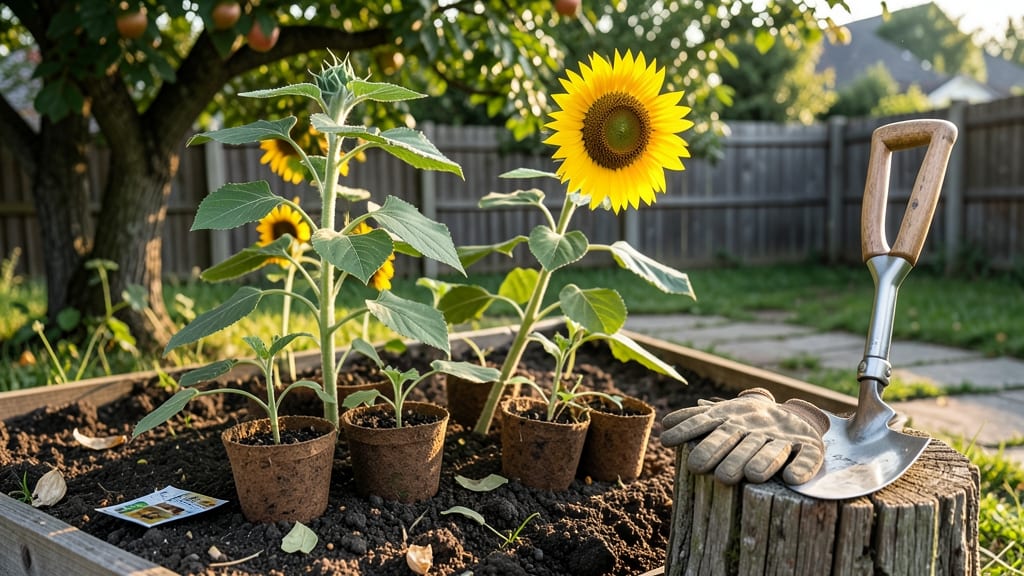
If you’ve ever watched a 🌻 sunflower plant in North Texas reach for the sky only to wilt from a late frost—or worse, bolt too early—you know timing is everything.
When to plant sunflowers in North Texas risks freezing out your seedlings, while waiting too long cuts your blooming season short. The secret lies in understanding your local heat zone deadlines, where even a week can mean the difference between 10-foot giants and stunted survivors.
North Texas gardeners in USDA Zone 8a have a narrow window to get sunflowers in the ground without frost damage, but the rules shift if you're in a hotter microclimate like urban Dallas.
I'll break down exactly when to plant—from mid-March for early varieties to early July for late bloomers—plus how to adjust for soil warmth, water stress, and even squirrel raids. No more guessing games.
What you'll discover is that sunflowers aren't just about throwing seeds in the dirt and hoping for the best. The right timing ensures your plants mature before fall's first chill, and I'll show you how to work with North Texas' 220 frost-free days to maximize height and bloom size.
Whether you're growing dwarf varieties for cut flowers or 14-foot giants for shade, the clock starts now.
Let's dive into the exact planting schedule, soil prep tricks, and companion plants that'll help your sunflowers thrive—no matter where you are in North Texas. Your golden giants are waiting for their moment in the sun.
North Texas sunflower planting deadlines by heat Zone (USDA 8a vs 8b)
North Texas spans two USDA hardiness zones: 8a (colder northern areas like Denton) and 8b (warmer southern regions like Waco). These zones dictate your last frost dates and ideal planting windows for sunflowers, which thrive in heat but need warm soil to germinate.
In Zone 8a, the last frost typically hits March 15, while Zone 8b sees frost-free conditions by March 1. Planting too early risks frost damage, while waiting too long may delay blooms until fall.
Sunflowers require soil temperatures of at least 55°F (13°C) to germinate, a threshold North Texas reaches in late February to early March. However, direct sowing after the last frost date (not before) ensures stronger seedlings.
Transplanting sunflower starts is possible but risky due to their sensitive root systems. For best results, stick to direct sowing once soil warms and frost danger passes.
Soil temperature is your most critical factor—cold soil delays germination by weeks. Use a soil thermometer to confirm readiness. In Zone 8a, aim for mid-March planting, while Zone 8b gardeners can start as early as late February. Late plantings in June or July still yield flowers but may bloom too late for full summer enjoyment.
For Zone 8a gardeners, the sweet spot is March 15 to April 30. This window ensures sunflowers mature before first fall frosts (November 15), giving you 120-150 frost-free days for full growth.
In Zone 8b, you can push planting to early June for late-summer blooms, but avoid planting after July 1—these sunflowers won't have enough time to reach maturity before winter.
Choose dwarf varieties (1-3 ft tall) if planting late—these bloom faster (45-60 days) than standard types (70-90 days).
Examples include 'Teddy Bear' or 'Moulin Rouge', perfect for July plantings in Zone 8b. Tall varieties like 'Mammoth' need the full May planting window to reach their 10-14 ft potential.
Urban heat islands in cities like Dallas or Fort Worth can push soil temperatures 5-10°F warmer than rural areas, allowing 2-week earlier plantings. Monitor local microclimates: south-facing beds warm faster than north-facing ones.
Amend soil with compost to improve heat retention—this helps seeds germinate 3-5 days faster in cooler zones like 8a.
Watering strategy shifts with heat zones. In Zone 8a, water deeply every 5-7 days after germination to prevent fungal issues. Zone 8b sunflowers need deep watering every 7-10 days once established, thanks to higher summer humidity.
Mulch with straw or wood chips to retain moisture—critical during North Texas' dry spells in April and May.
Watch for squirrel damage, especially in Zone 8b where late plantings attract wildlife. Use chicken wire cages for young seedlings until they reach 12 inches tall. In Zone 8a, aphids may appear if planting early—spray with neem oil at first sign of infestation.
Both zones benefit from companion planting with marigolds or basil to deter pests.
Extend your sunflower season by succession planting: sow new seeds every 2 weeks from March to June. This ensures continuous blooms from June through October.
In Zone 8a, your last succession should go in by June 1; in Zone 8b, push to June 15. Save seeds from your healthiest flowers for next year—North Texas sunflowers adapt beautifully to local conditions over time.
5 Critical factors that determine your sunflower planting timeline
North Texas sunflowers 🌻 grow best when planted at the perfect time, but frost dates alone don't tell the full story.
Your sunflower variety, soil preparation, water availability, and even whether you live in urban Dallas or rural West Texas can shift your ideal planting window by weeks. Let's break down the five critical factors that determine when to plant sunflowers in North Texas for maximum success.
First, consider your sunflower variety. Tall varieties like 'Mammoth' sunflowers need a longer growing season (90-120 days), while dwarf varieties like 'Teddy Bear' sunflowers mature in just 50-60 days.
Planting a tall variety too late means it won't reach its full height before fall frost, while dwarf varieties can handle later plantings without issues. For North Texas, this means tall varieties should go in the ground by mid-April in most areas.
Next, your soil preparation plays a huge role. Sunflowers thrive in well-draining soil with a pH between 6.0 and 7.5. If your soil is heavy clay or compacted, amend it with compost or sand at least 2-3 weeks before planting.
In North Texas, this means preparing your beds in late February to early March for an early April planting. Don't skip this step—poor soil leads to stunted growth and weak stems that can't support those towering blooms.
Water availability is another game-changer. While sunflowers are drought-tolerant once established, they need consistent moisture during germination and early growth. In urban areas with water restrictions or rural areas with limited rainfall, you might need to adjust your planting timeline.
For example, if you're in Dallas with summer watering bans, plant your sunflowers by mid-May to avoid stressing them during peak heat. In contrast, rural areas with reliable rainfall can plant up to two weeks later.
Don't overlook your local microclimate. Urban areas like Dallas often experience heat islands where temperatures can be 5-10°F warmer than rural areas. This means your urban sunflowers may need to be planted 1-2 weeks later than those in cooler rural spots.
For example, if your rural neighbors plant in mid-April, you might want to wait until late April in the city. Use a soil thermometer to check when soil reaches 55°F—the ideal temperature for sunflower germination.
Finally, consider pest pressure. Sunflowers planted after early June face higher risks from squirrels and birds, which love to snack on seeds. If you're planting late, opt for dwarf varieties in containers or use bird netting to protect your blooms.
In North Texas, this means if you're aiming for fall blooms, plant your dwarf sunflowers by mid-July to give them enough time to mature before the first frost.
By adjusting your planting timeline based on these five factors, you'll ensure your sunflowers thrive in North Texas' unique climate—whether you're in bustling Dallas or the wide-open spaces of rural West Texas. Happy planting! 🌱