
Flowers
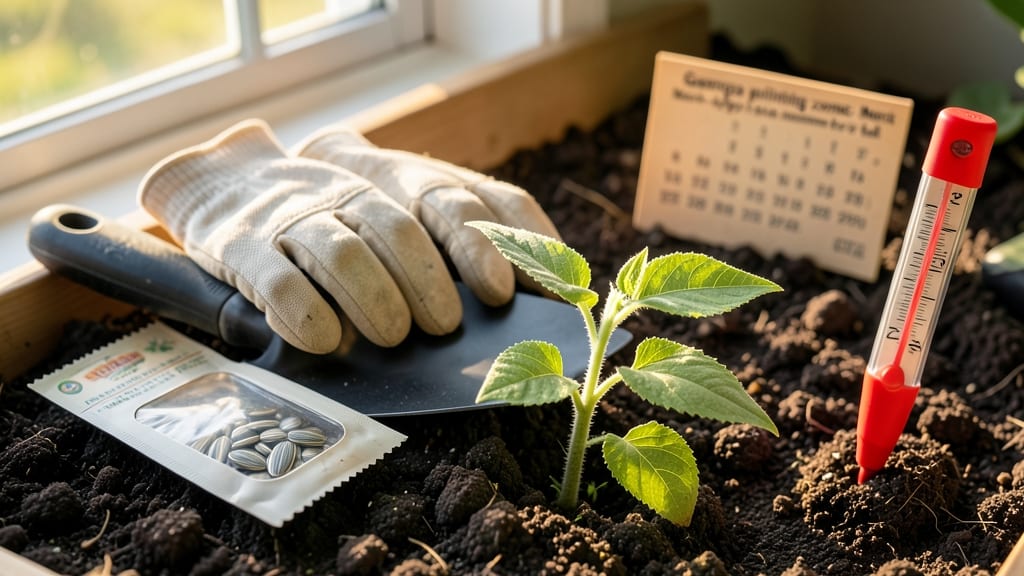
Planting sunflowers in Georgia at the wrong time can leave you with sad, stunted 🌻 stalks instead of the towering blooms you dream of. The key isn't just checking the calendar—it's waiting for that perfect moment when soil warmth triggers fast germination and strong growth.
Most gardeners in Georgia make one of two mistakes: planting too early when frost still lingers, or waiting too long and missing the ideal 60°F soil temperature window.
I've learned the hard way that timing matters more than you'd think, especially when dealing with Georgia's varied climate from the mountains to the coast.
In this guide, I'll break down exactly when to plant sunflowers in your specific Georgia region, plus pro tips for soil prep that make all the difference. Whether you're growing tall giants for cut flowers or compact varieties for containers, getting the timing right means faster blooms and happier plants.
Let's dive into the soil temperature secrets that will have your sunflowers reaching for the sky in no time—without the guesswork that leads to disappointment. You'll discover how to read your garden's signals and adjust for your local microclimate.
Georgia’s ideal sunflower planting window based on soil temperature
Sunflowers love Georgia’s long growing season, but timing your planting based on soil temperature—not just air temperature—is the secret to fast germination and strong stems. The magic number? 60°F soil triggers those seeds to pop up reliably.
In my North Georgia garden, I’ve learned the hard way that planting too early (even if the air feels warm) leads to weak seedlings that wilt when real heat arrives.
Southern Georgia gardeners have a slightly longer window, thanks to milder winters and earlier soil warming. But even there, rushing the process risks rot or damping-off—a fungal nightmare for young sprouts.
The key is patience and knowing your microclimate. Coastal areas near Savannah can plant 2-3 weeks earlier than the mountains near Blue Ridge, where frost lingers longer.
To test your soil warmth, grab a soil thermometer (just $10 at garden centers) and check at 6 inches deep—that’s where seeds actually germinate. Morning is best because soil cools overnight. If your reading hovers around 55-58°F, wait a few days.
Once it hits consistently 60°F, it’s go time. Pro tip: Black plastic mulch warms soil faster if you’re in a hurry!
| Georgia Region | Ideal Planting Window | Soil Temp Threshold | Last Frost Risk |
|---|---|---|---|
| North GA (Dahlonega, Blue Ridge) | Mid-April to early May | 60°F+ (wait for consistency) | High until May 10 |
| Central GA (Athens, Macon) | Late March to mid-April | 60°F+ (often met by March 20) | Moderate until April 1 |
| South GA (Savannah, Brunswick) | Early March to late April | 60°F+ (often met by March 5) | Low after March 1 |
| All Regions (Succession Planting) | Every 2-3 weeks until June | 60°F+ (soil must stay warm) | None after June 1 |
For North Georgia gardeners, I recommend starting seeds indoors under grow lights 4-6 weeks before your target outdoor date. Use biodegradable pots to avoid transplant shock when moving them outside.
In my Macon garden, I’ve had success with direct sowing as soon as the soil hits 60°F, but I always keep a row cover handy for late frosts.
Don’t overlook succession planting—this is how I get sunflowers blooming from June until frost. Plant a new batch every 2-3 weeks after your initial sowing, and you’ll enjoy continuous color all summer.
Just remember: each new batch needs that 60°F soil trigger, so adjust timing based on your region’s warming trends.
One common mistake I see is ignoring soil drainage. Sunflowers hate soggy roots, so amend heavy clay soil with compost or sand before planting. In my coastal Georgia plots, I also add a 1-inch layer of mulch to keep moisture consistent and weeds at bay.
This simple step has cut my watering time by half while boosting bloom size.
If you’re growing sunflowers for seeds or cut flowers, pay attention to your variety’s days to maturity. Tall varieties like ‘Russian Giant’ need the full summer heat, while shorter types like ‘Teddy Bear’ mature faster and can handle slightly cooler soils.
Always check the seed packet for your region’s recommended planting window—it’s tailored to local conditions!
For those in urban Atlanta or rural Albany, microclimates can vary dramatically. A south-facing wall or paved surface nearby can warm soil faster, while shaded spots may stay cold longer. Use these hotspots to extend your planting season if needed, but monitor soil temps closely to avoid overestimating warmth.
Finally, keep an eye on the 7-day forecast before planting. A sudden cold snap can delay germination for weeks. In my experience, consistency is more important than speed—better to wait a few extra days than risk losing your entire crop to frost or rot.
With the right timing, you’ll be harvesting sunflower seeds or cutting blooms by late summer!
Best sunflower varieties for Georgia’s climate and their planting zones
Georgia’s diverse climate zones—from the humid Coastal Plain to the cooler Mountains—mean you’ll need the right sunflower varieties and planting timing. Heat-tolerant types like 'Moulin Rouge' thrive in southern GA’s long summers, while early-bloomers like 'Autumn Beauty' suit northern regions with shorter growing seasons.
Let’s match your zone to the perfect variety.
Your planting window depends on both last frost dates and soil warmth. In the Coastal region, you can start as early as mid-March for heat-loving varieties, while Mountain gardeners should wait until late April to avoid frost damage.
The key is planting when soil reaches 60°F—use a soil thermometer for accuracy.
| Variety | Type | Coastal Planting | Piedmont Planting | Mountains Planting | Height |
|---|---|---|---|---|---|
| 'Moulin Rouge' | Heat-tolerant | Mid-March to April | Late March to May | Late April to June | 5-7 ft |
| 'Autumn Beauty' | Early-blooming | March to April | April to May | Late April to June | 3-5 ft |
| 'Russian Giant' | Tall, late-season | April to May | May to June | June (if frost-free) | 10-12 ft |
| 'Teddy Bear' | Dwarf, multi-bloom | March to June | April to July | May to August | 2-3 ft |
For Coastal Georgia, prioritize heat-resistant varieties like 'Moulin Rouge' that handle humidity and long summers. Plant in March-April for continuous blooms through fall. In the Piedmont, where temperatures fluctuate more, mix early and late varieties like 'Autumn Beauty' and 'Russian Giant' for extended color.
In the Mountains, focus on short-season varieties like 'Teddy Bear' or 'Autumn Beauty'. Start seeds indoors in March and transplant after the last frost (typically mid-May). These compact types also work well in containers, perfect for patios or small gardens at higher elevations.
Pro tip: Succession plant every 2-3 weeks in all regions to ensure blooms all season. For example, in Piedmont, start with 'Autumn Beauty' in April, then follow with 'Moulin Rouge' in May. This strategy guarantees continuous color from summer through frost.
Remember, Georgia’s humidity can stress sunflowers if not managed. Space plants 12-24 inches apart for airflow, and mulch to retain moisture. With the right variety and timing, you’ll enjoy sunflowers that reach their full potential—no matter where you garden in the Peach State! 🌻