
Flowers
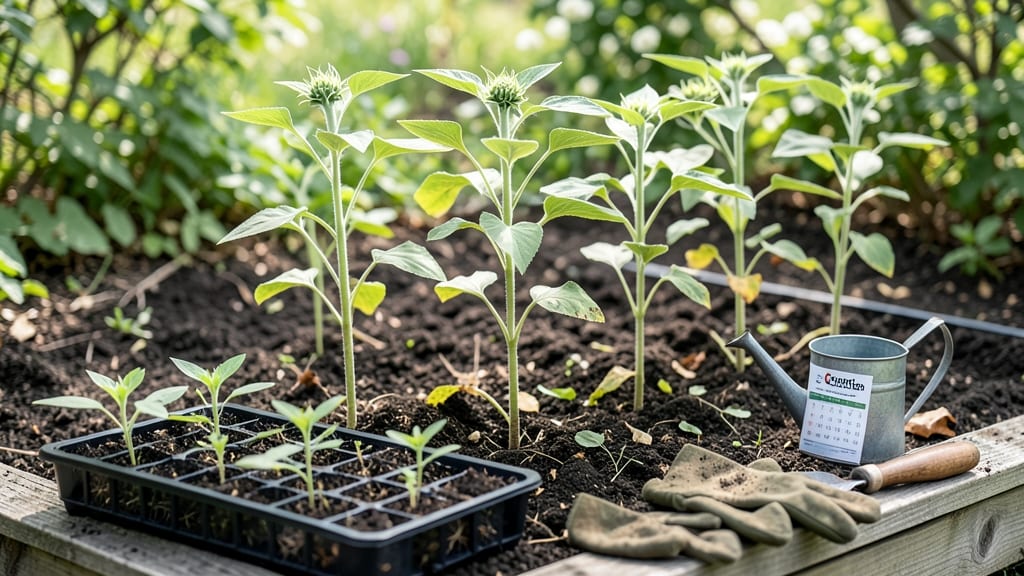
Planting sunflowers in Ohio at the wrong time means watching your bright 🌻 dreams wilt before they even bloom. The key isn't just waiting for spring—it's tracking soil temperatures, which can vary by weeks across the state's USDA zones 5-8.
Skip the guesswork and learn the exact window when your seeds will germinate in just 5-7 days, not weeks.
Ohio's mid-April to mid-June planting window might seem broad, but your success hinges on soil hitting 55-60°F—not just air temperature. Too early, and frost will nip tender sprouts; too late, and summer's heat arrives before your sunflowers reach their towering potential.
I'll show you how to check soil temps the easy way and adjust for your specific corner of the state.
Whether you're growing 3-foot dwarf varieties or 14-foot giants, timing matters. Early varieties like 'Moulin Rouge' can handle cooler soils, while late bloomers like 'Russian Giant' need that perfect warm-up period.
Let's break down the best planting dates for your Ohio garden so you're not left with half-grown stems by harvest season.
Once you've got the timing down, the rest is simple: rich soil, consistent watering, and a little patience. But getting those seeds in the ground at the right moment is where 90% of the battle happens. Ready to grow sunflowers that reach their full potential? Let's get started.
Ohio’s ideal sunflower planting dates based on soil temperature
Ohio’s diverse climate—from the warmer southwest to the cooler northeast—means sunflower planting timing varies dramatically. While last frost dates guide above-ground planting, soil temperature determines when seeds will germinate reliably. For Ohio gardeners, this means waiting until the ground reaches 55-60°F, a threshold that triggers consistent sprouting.
In USDA Zone 5 (northeast Ohio), where springs linger cooler, aim for late April to early May planting once soil warms. Meanwhile, Zone 6-7 (southwest Ohio) can start as early as mid-April, thanks to faster soil warming.
This 10-14 day difference highlights why Ohio gardeners must check soil—not just air—temperature.
A soil thermometer is your best tool. Insert it 2 inches deep in a shaded spot—this mimics seed depth.
If readings dip below 55°F for more than a day, germination slows or fails. Early varieties like ‘Teddy Bear’ (50-60 days to maturity) tolerate cooler soils better than giant varieties like ‘Russian Giant’ (100+ days), which need warmer conditions.
Here’s how Ohio’s microclimates break down for sunflower planting, including soil temperature triggers and ideal windows:
| Region | USDA Zone | Soil Temp Trigger | Planting Window | Best Varieties |
|---|---|---|---|---|
| Northeast Ohio | 5 | 58-60°F | Late April–Early May | ‘Moulin Rouge’, ‘Autumn Beauty’ |
| Northwest Ohio | 5-6 | 56-58°F | Mid-April–Late April | ‘Teddy Bear’, ‘ProCut’ |
| Central Ohio | 6a | 55-57°F | Late April–Mid-May | ‘Autumn Beauty’, ‘Moulin Rouge’ |
| Southwest Ohio | 6b-7a | 54-56°F | Mid-April–Late April | ‘Russian Giant’, ‘Mammoth’ |
For container gardening, soil warms faster in pots, so you can plant 2-3 weeks earlier than in-ground. Fill containers with well-draining potting mix and place them in a south-facing spot to accelerate soil warming. This trick works especially well for balcony gardeners in urban Ohio like Cleveland or Columbus.
If you’re succession planting for continuous blooms, sow a second batch in early June after the first flush of flowers. Choose fast-maturing varieties (50-70 days) like ‘ProCut’ or ‘Sunspot’ to ensure they bloom before first frost in October.
Just monitor soil temps—if they drop below 55°F again, germination will stall.
Pro tip: Black plastic mulch warms soil by 5-10°F, letting you plant 1-2 weeks earlier in cooler zones. Lay it down 2 weeks before your target planting date to jumpstart germination. This method is a game-changer for northeast Ohio gardeners racing against spring’s slow thaw.
Remember, sunflowers are fast growers—once sprouted, they’ll shoot up 2-3 inches per day in ideal conditions. But rushing planting by ignoring soil temperature risks poor germination or frost damage to young seedlings. Patience here pays off with taller stems and bigger blooms by summer.
🌱
How to time sunflower planting for Ohio’s frost dates and summer heat
Ohio’s last frost dates vary dramatically from the southeast corner (around April 15) to the northwest (as late as May 1).
These differences mean your sunflower seeds might be ready to plant weeks before your neighbor’s. The key is checking your local USDA zone—most of Ohio falls in zones 5-8—and adjusting your schedule accordingly.
For summer heat tolerance, sunflowers are surprisingly resilient, but extreme heat (above 90°F) can slow growth or cause bolting. Early varieties like ‘Teddy Bear’ handle heat better than towering ‘Russian Giants’, which need consistent moisture to reach their full height.
Planning your planting window around these factors ensures your sunflowers thrive from seed to bloom.
- Step 1: Check your county’s last frost date (use the Old Farmer’s Almanac or local extension office). Most of Ohio ranges from April 15 to May 15.
- Step 2: Wait until soil temps reach 55-60°F (use a soil thermometer or dig 2 inches deep—warm soil feels like a baby’s bath).
- Step 3: Plant 4-6 weeks before your first expected frost for full-season varieties. For late bloomers, use shade cloth (30-50%) in peak summer.
- Step 4: For succession planting, sow seeds every 2 weeks from May to June to extend your harvest into September.
- Step 5: Monitor heat waves—if temps hit 95°F+, water deeply at soil level (not leaves) to prevent stress.
Ohio’s summer heat can be intense, but sunflowers love it—once established, they’re drought-tolerant. The real challenge is getting them through the transition period from seedling to mature plant. If you’re in USDA zone 5 (northwest Ohio), start with early-maturing varieties like ‘Autumn Beauty’ (56 days to bloom).
For zones 7-8 (southern Ohio), you can push later plantings into early July for fall blooms.
To extend your growing season, try succession planting: sow a fresh batch of seeds every 2-3 weeks until early July. This staggered approach ensures you’ll have sunflowers in various stages of bloom from July through September.
Pair this with light shade cloth (30% coverage) during the hottest afternoons to protect young plants without stunting growth.
Don’t forget to harden off seedlings if you start them indoors. Acclimate them to outdoor conditions for 7-10 days before transplanting, especially if you’re planting later in the season.
This reduces shock and helps them establish faster in Ohio’s variable spring weather. With the right timing, you’ll have sunflowers reaching toward the sky just as summer peaks.
Pro tip: Mark your planting dates on a garden calendar alongside your moon phases—some gardeners swear by planting during the waxing moon for stronger stems. Whether you believe in lunar cycles or not, sticking to your soil temp triggers is the real secret to success. Happy planting! 🌻