
Flowers
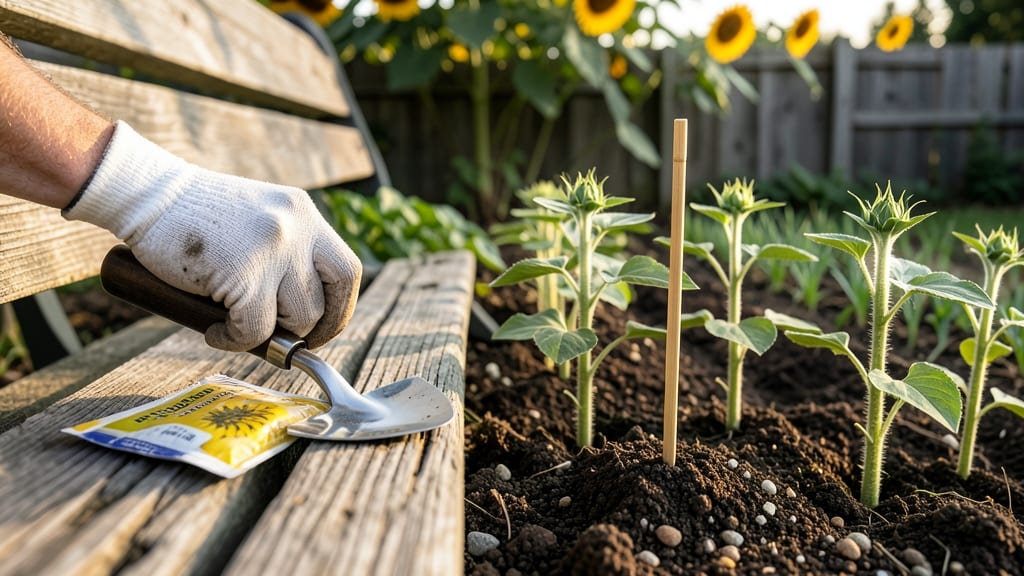
Planting sunflowers in the ground at the wrong time can mean the difference between a vibrant, towering 🌻 and a sad, stunted plant that never blooms.
If you've ever wondered when to plant sunflowers in the ground, the answer depends more on your local climate than just the calendar date.
For most gardeners in USDA Zone 6a, the ideal window is after your last frost date—typically mid-April to early June. But here's the catch: soil temperature matters just as much as the date. Cold soil can delay germination, leaving your sunflowers struggling to break through.
In warmer southern climates, you might start as early as March, while northern gardeners often wait until late May. The key is ensuring the soil has warmed to at least 55°F—that's when those seeds finally decide it's safe to sprout.
Whether you're a beginner or a seasoned gardener, I'll walk you through exactly how to time your planting for the best results—no guesswork, just sunflowers that thrive from seed to bloom. Let's get those 🌻 growing right!
Best sunflower planting timeline by US hardiness zones
Getting your sunflowers 🌻 in the ground at the right time ensures strong, healthy plants that burst into those iconic blooms. Since sunflowers thrive in warm soil (55-65°F) and struggle with frost, your USDA hardiness zone determines the perfect planting window.
Let's break down the ideal timing for each zone to maximize your success.
Most gardeners plant sunflowers after the last frost date, but early varieties can handle cooler soil. In northern zones (3-5), wait until late May to avoid frost damage, while southern zones (8-11) can start as early as March.
The key is balancing soil warmth with frost risk—plant too early, and your seeds may rot; too late, and you'll miss the growing season.
Here's a quick reference for your zone, but remember: local microclimates (like urban heat islands) can shift these dates by weeks. Always check your average last frost date and adjust accordingly.
| USDA Zone | Last Frost Date | Ideal Planting Window | Early Planting (Risk) | Late Planting (Risk) | Soil Temp Check |
|---|---|---|---|---|---|
| 3-4 | Mid-May | Late May - Early June | May 1 (Cold soil, slow germination) | After June 15 (Short season, stunted growth) | Wait for 60°F+ soil |
| 5-6 | Early-Mid May | Late April - Early June | April 15 (Frost risk) | After June 10 (Limited blooms) | 55°F+ minimum |
| 7-8 | Mid-April | March 15 - May 15 | March 1 (Frost possible) | After June 1 (Heat stress) | 50°F+ for early starts |
| 9-10 | Mid-February | February 15 - April 30 | January 15 (Too early) | After May 15 (Bolting risk) | 45°F+ (cover seeds) |
| 11 | Year-round (no frost) | January - June | None (plant anytime) | After July (Heat exhaustion) | 60°F+ for best growth |
Pro Tip: Use row covers for early plantings in zones 3-7 to protect from late frosts.
For zones 3-5, I recommend starting seeds indoors 2-3 weeks before your last frost date to give them a head start. Use grow lights if natural light is limited, and transplant seedlings when soil reaches 60°F.
In warmer zones (7-11), direct sowing works best—just ensure the ground isn't still soggy from winter rains.
If you're in a transition zone (like 6b-7a), split your planting into two batches: one in early April (with row covers) and another in mid-May for a continuous bloom cycle. This staggered approach extends your harvest window and ensures you always have fresh sunflowers for cutting.
Don't forget to test your soil temperature before planting. A simple soil thermometer (available for under $10) is your best friend. Sunflower seeds need consistent warmth to germinate—if your soil is below 55°F, wait a few more days.
In my Zone 6a garden, I've seen seeds take 10+ days to sprout when planted in 48°F soil versus just 3-5 days in 65°F soil.
For late-season planting (after June), choose short-day varieties like 'Teddy Bear' or 'Moulin Rouge'—they mature faster and tolerate heat better than giant varieties. Just be prepared for smaller blooms if you plant after July 1st, as the plants won't have enough time to reach full size before frost.
One more tip: Adjust for elevation. Gardens above 3,000 feet often have cooler soil and later frost dates. Add 2-4 weeks to your planting timeline if you're in the Rocky Mountains or similar high-altitude regions.
For example, a Zone 6 garden at 5,000 feet might align more closely with Zone 4 timing.
Finally, keep an eye on your local weather forecast in the days leading up to planting. If a cold snap is predicted, delay planting or use black plastic mulch to warm the soil faster.
With the right timing, your sunflowers will reward you with vibrant blooms and maybe even edible seeds—all while adding a cheerful splash of color to your garden. 🌻
How to check soil temperature for perfect sunflower germination
Sunflower seeds need warm soil to germinate properly—ideally between 55°F and 65°F. Testing your soil temperature before planting ensures your seeds sprout quickly and grow strong. Cold soil can delay germination by weeks, leaving your sunflowers vulnerable to pests or late frosts.
Most gardeners rely on soil thermometers, which are inexpensive and easy to use. These tools measure the temperature at the depth where your seeds will be planted—about 1 inch deep for sunflowers. Without checking, you might plant too early in chilly soil, risking poor germination rates.
If you don’t have a soil thermometer, you can use a DIY method with a regular thermometer and a glass jar. Fill the jar with soil from your garden bed, insert the thermometer, and monitor the temperature over a few days.
This works but isn’t as precise as a dedicated tool.
Step-by-Step: How to Test Soil Temperature
- Step 1: Purchase a soil thermometer (available at garden centers or online for $10–$20). Look for one with a 1-inch probe for accuracy.
- Step 2: Choose a sunny garden spot where you plan to plant. Avoid areas with recent watering, as moisture can skew readings.
- Step 3: Insert the thermometer 1 inch deep into the soil. Wait 30 seconds for the reading to stabilize.
- Step 4: Record the temperature. Check it early in the morning (before sunlight warms the soil) and late afternoon for the most accurate average.
- Step 5: If the soil is below 55°F, wait 1–2 weeks and retest. Use black plastic mulch to warm the soil faster if needed.
- Step 6: Once the soil hits 55–65°F, plant your sunflower seeds 1 inch deep and keep the soil consistently moist until germination.
Cold soil can also cause rot or fungal issues in sunflower seeds. If your soil stays below 50°F for more than a week, consider starting seeds indoors under grow lights until conditions improve. This is especially critical for gardeners in northern climates or high-altitude areas.
Pro tip: Dark-colored containers (like black plastic pots) absorb heat and can help warm soil faster. Place them near your planting area a few days before sowing to create a microclimate for your seeds.
Once your soil reaches the ideal range, your sunflowers will germinate in 7–14 days, giving them a strong start toward those towering blooms. Keep an eye on the forecast—consistent warmth is just as important as the initial temperature check!