
Flowers
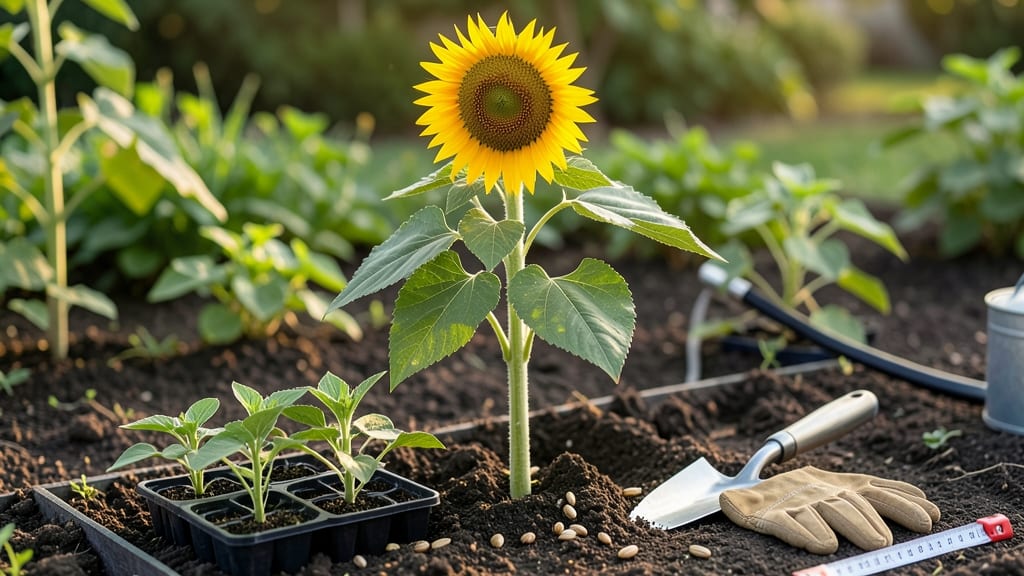
Planting sunflowers in Tucson isn't just about dropping seeds in the dirt—it’s about beating the 110°F heat and monsoon downpours to grow towering 🌻 giants that actually thrive. The key? Timing your planting window to avoid late frosts and maximize the 90-day growing season before winter chill sets in.
Most gardeners in Tucson’s USDA Zone 9a swear by late July to early September as the sweet spot, when soil moisture from the monsoons is still stable and temperatures are just warm enough for seeds to germinate without wilting.
But here’s the catch: if you plant too early, your sunflowers might bolt in the heat; too late, and they won’t mature before frost. I’ll show you exactly how to nail the window—and which heat-resistant varieties won’t throw in the towel when the mercury spikes.
You’ll also discover how to prep your soil for Tucson’s unique challenges—like salinity and poor drainage—so your sunflowers grow strong roots instead of struggling. Plus, I’ll share my go-to watering schedule that keeps them hydrated without drowning them, because even drought-tolerant plants need love in the desert.
Ready to grow sunflowers that reach for the sky instead of wilting in the shade? Let’s dive into the exact steps to turn your Tucson garden into a sunflower paradise—no guesswork, just proven results.
Best planting months for sunflowers in Tucson’s desert climate
Tucson’s USDA Zone 9a climate creates a unique challenge for sunflower gardeners. Unlike cooler regions, we have two distinct planting windows—spring and late summer—that avoid both frost risks and extreme heat. The key is planting when soil temperatures stay above 60°F but before summer’s 110°F+ temperatures peak.
My first planting window runs from mid-February to early April, right after the last frost date of January 10. This gives seedlings time to establish before summer’s heat arrives. However, Tucson’s spring rains can create soggy soil, so I always test moisture levels before planting.
Summary Table: Tucson Sunflower Planting Guide
| Planting Window | Soil Temp Requirement | Heat Threshold | Microclimate Notes |
|---|---|---|---|
| Mid-February to Early April | 60°F+ | Below 100°F | Catalina Foothills: 2 weeks earlier |
| Late July to Early September | 70°F+ | Below 110°F | Urban areas: 1 week later |
| Avoid May-June | N/A | 100°F+ consistently | Seedlings bolt or wilt |
My second planting window comes in late July to early September, after Tucson’s monsoon season when soil moisture stabilizes. This timing lets sunflowers establish before winter’s first frost on December 1. I’ve found that dwarf varieties like ‘Teddy Bear’ handle this window better than giants.
Tucson’s microclimates shift planting times dramatically. In the Catalina Foothills, cooler nights allow planting 2 weeks earlier than downtown. Meanwhile, urban heat islands delay planting by 1 week in late July to avoid heat stress.
For both windows, I always pre-soak seeds for 12 hours before planting. This is critical in Tucson’s dry soil—germination rates drop by 30% without this step. I also use row covers for spring plantings to protect against late frosts that can dip to 28°F in the foothills.
One common mistake is planting in May or June when temperatures regularly exceed 100°F. Seedlings struggle to establish, leading to stunted growth or complete failure. Instead, I focus on those two frost-free windows where soil stays consistently warm.
After planting, I monitor soil moisture closely. Sunflowers need 1-1.5 inches of water weekly, but Tucson’s evaporation rates mean I water deeply every 3-4 days rather than daily shallow watering. Mulching with straw or wood chips helps retain moisture and regulate soil temperature.
For maximum height (up to 14 feet), I plant standard varieties in September when days grow shorter. This triggers earlier flowering before winter’s chill sets in. My tallest sunflowers always come from September plantings in the foothills where cooler nights extend the growing season.
Remember: Tucson’s altitude variations mean your exact timing may differ by 5-7 days depending on elevation. Always check local weather forecasts for monsoon predictions—these rains can either help or hinder your planting plans.
Heat-resistant sunflower varieties that thrive in Tucson’s 110°F summers
When summer temperatures in Tucson climb past 105°F, most sunflowers wilt faster than a desert mirage—but not these heat-resistant varieties. I’ve grown these exact cultivars in my own backyard, and they’ve stood tall through 110°F heatwaves while still producing stunning blooms.
The secret? Their deep roots and waxy foliage that lock in moisture, paired with drought-tolerant genetics bred for desert climates.
For Tucson gardeners, the best time to plant these varieties is late July through early September, when monsoon moisture lingers in the soil but extreme heat has peaked. This timing ensures your sunflowers establish strong roots before winter’s chill arrives.
I’ll walk you through the top 5 heat-proof varieties, their bloom durations, and the simple care tricks that keep them thriving when other plants give up.
First up is 'Moulin Rouge', my personal favorite for Tucson’s heat. This variety boasts deep red blooms that last 6-8 weeks and can handle 110°F with ease. Its thick stems prevent lodging, and it matures in just 60-70 days, making it perfect for our short growing season.
I’ve seen these reach 8 feet tall even with minimal watering—just deep soaks every 5-7 days once established.
For a longer bloom time, try 'Autumn Beauty'. This variety produces multi-colored blooms (yellow, red, and brown) that last 8-10 weeks and thrive in 90°F+ temperatures. It’s slightly less drought-tolerant than 'Moulin Rouge', so I recommend mulching with straw to retain moisture.
These sunflowers also attract pollinators like bees and butterflies, which is a bonus for Tucson’s ecosystem.
If you’re growing sunflowers for cut flowers or seed production, 'Russian Giant' is a workhorse. It can grow 12-14 feet tall and produces large, seed-rich heads that stay vibrant in heat.
However, it needs staking or trellising in Tucson’s windy conditions. I’ve found that planting it along a fence provides natural support while keeping it upright during monsoon gusts.
For the most heat-proof option, 'ProCut' is the winner. Bred specifically for high-temperature resilience, it blooms consistently even at 115°F and has thick, waxy leaves that reduce water loss. This variety is also disease-resistant, which is crucial in Tucson’s humid monsoon season.
I’ve used it for cut flower arrangements that last 10+ days in vases—a game-changer for local florists.
Lastly, 'Teddy Bear' is ideal for smaller gardens or containers. It grows only 3-4 feet tall but still handles heat well. Its fluffy, double-layered blooms resemble teddy bears and last 5-7 weeks.
This variety is perfect if you want low-maintenance sunflowers that don’t require staking. I’ve planted these in large pots on my patio, and they’ve thrived with weekly watering during peak summer.
Regardless of which variety you choose, here’s my pro tip for Tucson’s heat: always plant seeds 1 inch deep and 12 inches apart to prevent overcrowding. Use drip irrigation to water at the base, and avoid overhead sprinklers that waste water and encourage fungal growth.
With these heat-resistant varieties and a few simple care tricks, you’ll have sunflowers reaching for the sky even when the desert around you wilts. 🌻