
Flowers
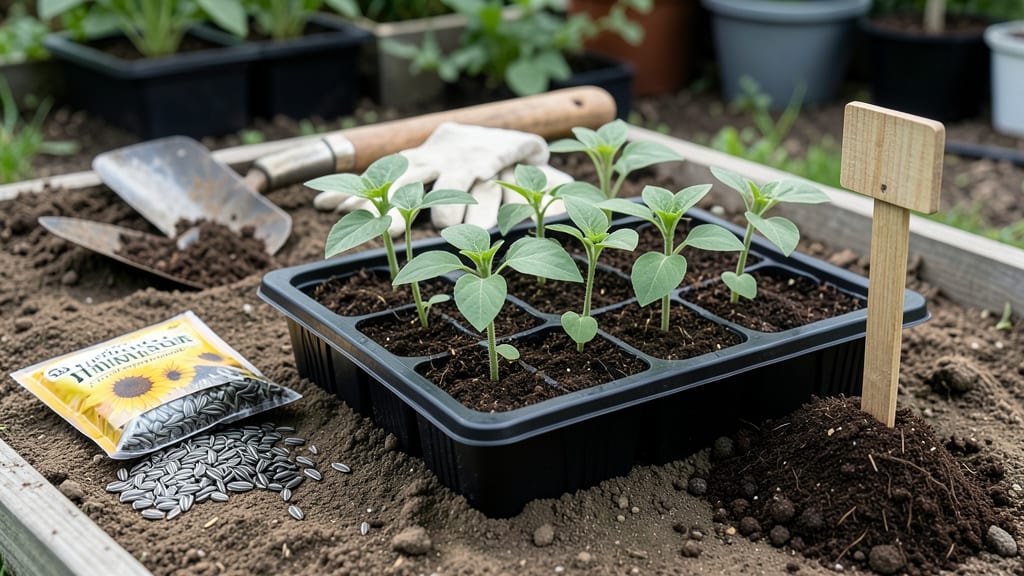
Planting sunflowers at the wrong time in Zone 5 can leave you with stunted stalks and underwhelming blooms—unless you know the exact window to get those towering 🌻 giants thriving.
The secret lies in waiting for soil temperatures to hit 50°F and timing your seeds just 2-4 weeks after the last frost, which typically lands in mid-May for most of Zone 5.
You might think sunflowers are low-maintenance, but their height potential hinges on getting them in the ground at the right moment. Too early, and frost will nip delicate seedlings; too late, and you’ll miss the 60-120-day growing window needed for full-size blooms.
The good news? Even if you’re new to gardening, this guide breaks down the precise timing—and a few pro tricks—to ensure your sunflowers reach their maximum height, whether you’re growing 3-foot dwarfs or 14-foot giants.
What if you’re eager to start earlier? Some varieties handle cooler soil better, while others need warmer conditions to sprout. I’ll walk you through the best methods for direct sowing (the easiest approach) and when to consider transplants—plus how to stretch your growing season with simple tools like row covers.
By the end, you’ll know exactly when to plant for sunflowers that make your garden the talk of the neighborhood.
Ready to grow sunflowers that turn heads? Let’s dive into the science-backed timeline that separates wishful thinking from a garden full of sun-drenched blooms. Your future fence-topping 🌻 starts with the right timing—and this is how you nail it.
Zone 5 sunflower planting timeline: exact weeks before last frost for maximum height
Sunflowers thrive when planted at the right moment—too early and they’ll bolt from cold snaps, too late and they’ll miss their 120-day growth window for full height. In Zone 5, your last frost date (typically mid-May) is the anchor for timing.
Most varieties need 50°F soil temperatures to germinate, so wait until the ground warms after frost.
Your 2-4 week window after last frost is critical. For giant varieties like 'Mammoth', plant within 2 weeks of last frost to maximize height. Dwarf types like 'Teddy Bear' can stretch this to 4 weeks post-frost since they mature faster.
Use the USDA Plant Hardiness Zone Map to find your exact last frost date—most Zone 5 areas range from April 20–May 10. For precise timing, check your local Cooperative Extension Service or use tools like the Old Farmer’s Almanac frost calculator.
Here’s your Zone 5 sunflower planting timeline broken down by soil readiness and variety type:
| Planting Stage | Action | Soil Temp | Best Varieties |
|---|---|---|---|
| 4–6 Weeks Before Last Frost | Start seeds indoors (optional) | 60–65°F | 'Autumn Beauty', 'ProCut' |
| 2 Weeks Before Last Frost | Direct-sow hardy varieties | 50°F+ | 'Russian Giant', 'Moulin Rouge' |
| 1–2 Weeks After Last Frost | Plant all varieties outdoors | 55°F+ | 'Mammoth', 'Teddy Bear' |
| 4 Weeks After Last Frost | Succession plant late varieties | 60°F+ | 'Sunspots', 'Evening Sun' |
For maximum height, prioritize planting giant varieties like 'Mammoth' or 'Russian Giant' within 2 weeks of last frost. These need 100+ days to reach their 10–14 ft potential, so don’t delay. Use a soil thermometer to confirm temperatures hit 50°F—cold soil slows germination and stunts growth.
If your last frost slips to May 20, aim to plant by May 31 for full-season growth. For early blooms, use row covers to warm soil 1–2 weeks earlier. Remove covers once plants sprout to avoid overheating.
Pro tip: Direct-sow seeds in Zone 5—sunflowers hate transplanting. Drop seeds 1 inch deep and 6 inches apart, then thin to 12–24 inches for optimal sunlight. Space giant varieties at least 24 inches apart to prevent competition.
Extend your season by planting succession crops every 2 weeks after last frost. This ensures continuous blooms from July through October. Late plantings (after June 15) may not reach full height but still produce edible seeds and cheerful blooms.
Watch for false springs—a warm spell in March or April can trick sunflowers into germinating too early. If nighttime temps drop below 40°F, cover seedlings with frost cloth or move pots indoors temporarily.
For local adjustments, account for microclimates. South-facing beds warm faster than north sides, so plant those areas 1 week earlier. Urban areas may experience heat islands, pushing frost dates 5–7 days later—adjust your timeline accordingly.
🌻
Sunflower variety planting guide: when to sow seeds vs transplants in Zone 5
Deciding whether to direct-sow sunflower seeds or transplant seedlings in Zone 5 depends on your variety and local frost dates. Most sunflowers thrive when planted after the last frost, but some cold-hardy types can handle early spring sowing.
Let’s break down the best methods for 12 popular varieties, including dwarf, standard, and giant types.
For direct sowing, aim for soil temperatures above 50°F (10°C)—this ensures faster germination. Transplanting works best for late varieties or if you’re extending your season with row covers. Spacing and seed depth also vary by type, so we’ll cover those details next.
Cold-hardy varieties like 'Autumn Beauty' and 'Moulin Rouge' can handle early spring planting (March-April), while heat-sensitive giants like 'Mammoth' need warmer soil (May-June). Dwarf types like 'Teddy Bear' are the most flexible, tolerating both early and late plantings.
If you’re transplanting sunflowers, start seeds indoors 4-6 weeks before your last frost date. Use biodegradable pots to avoid root disturbance. For succession planting, sow seeds every 2-3 weeks from May to July to extend your bloom season until frost.
Pro tip: Mulch around seedlings to retain moisture and suppress weeds. Sunflowers are drought-tolerant once established, but consistent watering during germination (1-2 inches per week) is key for strong stems. Avoid overwatering—poor drainage can cause root rot in heavy clay soils.
For late-season blooms, try 'Autumn Beauty' or 'Moulin Rouge'—they thrive in cooler temps and often rebloom after cutting. With the right variety and timing, you’ll enjoy sunflowers from July to October in Zone 5! 🌻