
Flowers
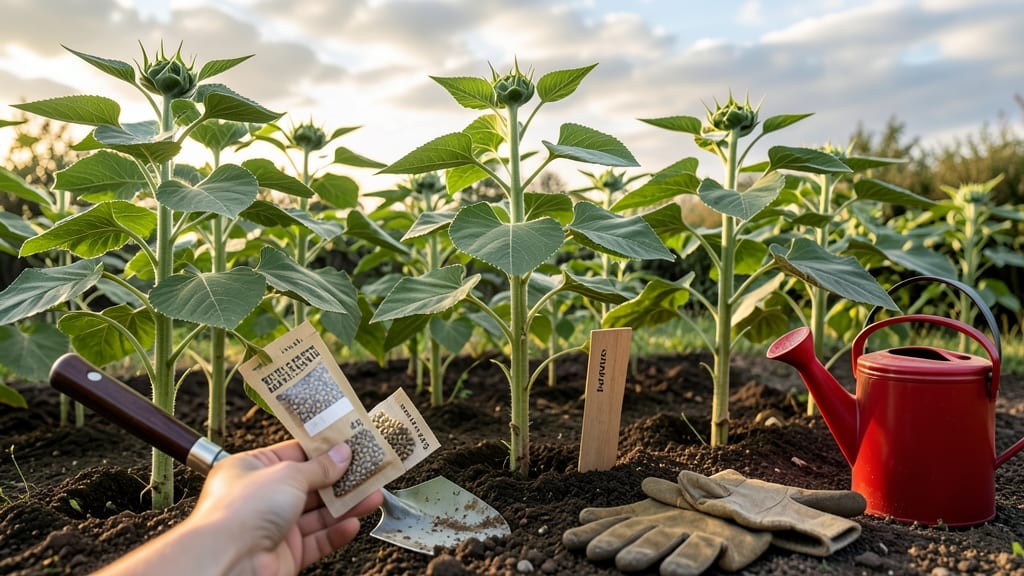
Planting sunflowers in Zone 8b at the wrong time can mean the difference between a 16-foot tower of golden blooms and sad, stunted stalks that never reach their potential.
The key? Timing your seeds with the last frost date—typically around March 15—so you catch the sweet spot of warm soil and long daylight hours.
I’ve learned the hard way that rushing sunflowers 🌻 into cold ground or waiting too late can leave you with either leggy, weak plants or blooms that arrive just as the heat of summer fades.
But here’s the good news: Zone 8b’s mild winters and extended growing season give you a 7-month window to play with—from February through September—if you know the tricks.
In this guide, I’ll break down the exact months to plant for the tallest stalks and most vibrant blooms, plus how to stretch your harvest by using succession planting.
Whether you’re a first-time gardener or a seasoned pro, these timing tips will help you avoid common mistakes and maximize your sunflower’s growth potential.
Ready to turn your garden into a sunflower paradise? Let’s dive into the best planting strategies for your Zone 8b climate—and keep those seeds from becoming a late-summer memory.
Optimal planting windows for Zone 8b sunflowers: soil temps and frost dates
Timing your sunflower planting in Zone 8b is all about balancing soil temperatures and frost dates. The last average frost date typically falls around March 15, but coastal areas may see frost-free conditions weeks earlier.
Inland regions, however, can experience delayed warming. This means your planting window varies by microclimate—coastal gardeners might start as early as February, while inland gardeners should wait until mid-March.
Sunflower seeds germinate best when soil temperatures reach 55°F (13°C) or warmer. A soil thermometer is your best friend—planting too early in cold soil can lead to rotten seeds or slow, uneven germination.
In Zone 8b, this usually aligns with late March to early April for most areas, but always check local USDA frost maps for precise adjustments.
Here’s the key: Direct sowing (planting seeds directly in the ground) gives you the most flexibility, while transplanting (starting seeds indoors) requires earlier timing to avoid shock. Coastal areas can push early plantings, but inland gardeners should wait until soil warms consistently.
| Method | Zone 8b Coastal | Zone 8b Inland | Soil Temp Requirement |
|---|---|---|---|
| Direct Sowing | Late February - Early April | Mid-March - Mid-April | 55°F+ (13°C+) |
| Transplanting (Indoor Start) | January - Early February | February - Early March | 60°F+ (16°C+ at transplant) |
| Late Season Planting | June - Early July | June - Mid-July | 65°F+ (18°C+) |
For direct sowing, aim to plant seeds 1 inch deep and 12 inches apart once soil temperatures stabilize. Inland gardeners should wait until mid-April to avoid soil-borne diseases that thrive in cooler, damp conditions.
Coastal gardeners can start as early as late February if soil is warm enough, but be prepared for slower germination in chilly mornings.
If you’re transplanting sunflower seedlings, start them indoors 6-8 weeks before your last frost date. Coastal gardeners can begin in January, while inland gardeners should wait until February.
Harden off seedlings for 7-10 days before transplanting to prevent shock. Use biodegradable pots to minimize root disturbance when moving them outdoors.
Zone 8b’s long growing season (about 245 frost-free days) allows for late-season plantings too.
You can sow seeds as late as June or July for fall blooms, but choose fast-maturing varieties like ‘Moulin Rouge’ (50-55 days) or ‘Teddy Bear’ (55-60 days) to ensure they reach maturity before first frost in mid-November.
Pro tip: Use black plastic mulch to warm soil faster in early plantings. This can shave off 1-2 weeks of waiting time by raising soil temperatures by 5-10°F. Just remember to remove it once flowers appear to prevent overheating.
Monitor your local weather forecasts for unexpected cold snaps—even in Zone 8b. If nighttime temperatures dip below 40°F (4°C), young seedlings may need row covers or temporary cloches until they’re established. A little extra protection can mean the difference between stunted growth and towering sunflowers.
Remember, sunflowers thrive on heat, so the earlier you can plant after the last frost, the taller and more vibrant your blooms will be. But don’t rush—patience with soil temperatures pays off in bold, healthy stalks that reach their full potential. 🌻
How to stretch the sunflower growing season in Zone 8b: succession planting hacks
If you love sunflowers 🌻 but hate waiting until summer for blooms, succession planting is your secret weapon. In Zone 8b, you can stretch your sunflower season from early spring to late fall by planting in three strategic batches.
This method ensures you’ll have fresh blooms every few weeks instead of one big burst—plus, it gives you a chance to experiment with different varieties for height, color, and even edible seeds.
Here’s the magic: Plant your first batch in early March (just after the last frost), your second in mid-April, and your final batch in late June. Each batch will mature at different times, giving you a continuous display.
The key is choosing heat-tolerant varieties like ‘Autumn Beauty’ or ‘Moulin Rouge’ for your late-season plantings, as they handle Zone 8b’s summer heat better than standard types.
- 1 Early March Planting: Sow ‘Teddy Bear’ or ‘Moulin Rouge’ seeds 1 inch deep in well-drained soil after the last frost (around March 15). Use row covers to protect seedlings from late frosts.
- 2 Mid-April Planting: Switch to taller varieties like ‘Russian Giant’ or ‘Sunspot’ for mid-summer blooms. Space seeds 6 inches apart to avoid overcrowding as they grow.
- 3 Late June Planting: Choose heat-tolerant dwarf varieties like ‘Little Becka’ or ‘Autumn Beauty’ for fall color. Plant in partial shade to protect from intense afternoon sun.
- 4 Watering Adjustments: Early batches need deep watering every 3-5 days, while late-season plants require less frequent watering (every 5-7 days) as temperatures cool.
- 5 Fertilizer Strategy: Apply a balanced 10-10-10 fertilizer at planting, then again when stems reach 12 inches tall. Skip fertilizer for late-season plantings to avoid leggy growth.
The beauty of succession planting is that it lets you play with variety heights and colors throughout the season.
For example, start with dwarf sunflowers in March for early blooms, then follow with standard varieties in April for mid-summer height, and finish with tall, late-season types in June for dramatic fall displays.
This strategy also helps you avoid the heartbreak of watching your sunflowers bolt too quickly in Zone 8b’s heat.
Don’t forget to monitor your soil moisture closely, especially during April and May, when sunflowers need consistent water to establish strong roots. Once established, they’re drought-tolerant, but young seedlings will wilt quickly if left dry.
Mulch around the base of each batch to retain moisture and suppress weeds—this is especially helpful for your late-June plantings, which will face competition from summer weeds.
Protect your early and late batches from unexpected frosts by using row covers or even old bedsheets on chilly nights. Zone 8b’s mild winters mean frosts are rare, but they can still sneak in during March and November.
A little extra protection ensures your sunflowers grow tall and strong, not stunted and stressed.
With these succession planting hacks, you’ll enjoy sunflowers from May through November, turning your garden into a year-round spectacle. Plus, you’ll have the satisfaction of knowing you’ve maximized every inch of your growing season—no more waiting for one brief window of blooms!