
Plants
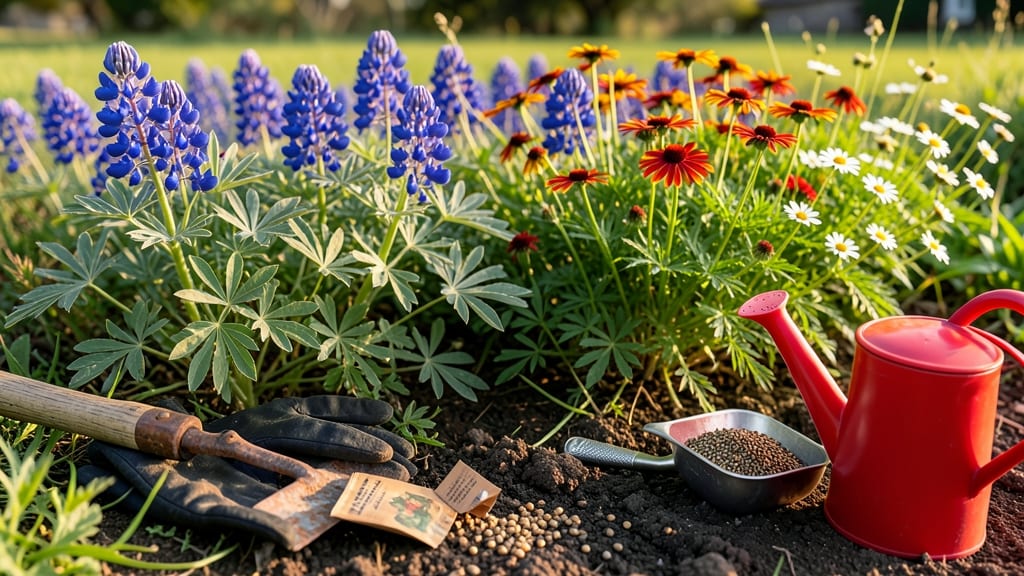
When to plant wildflower seeds in Central Texas is the secret to a burst of color that survives scorching summers and rare freezes. Planting too early risks drought stress, while waiting too long can leave your garden bare when the first frost arrives.
Most gardeners swear by late August through October for fall planting, when soil stays warm enough for seeds to germinate before winter sets in. But if you prefer spring blooms, February through March gives you a head start before the heat ramps up.
I’ve learned the hard way that skipping soil prep or ignoring rainfall patterns can turn your wildflower dreams into a wilted disappointment. The key? A little prep work now means vibrant blooms from spring through fall—no matter how unpredictable Texas weather gets.
Let’s break down exactly how to time your planting, from scarifying seeds to outsmarting the heat, so your 🌼 garden thrives year after year.
Best months to plant wildflower seeds in Central Texas for maximum blooms
Central Texas gardeners know the difference between a thriving wildflower meadow and a failed attempt often comes down to planting timing. The region's USDA Zones 8a-8b bring hot summers, mild winters, and occasional late freezes—all factors that demand precise scheduling.
For me, the fall planting window (late August through October) consistently delivers the most reliable blooms, but spring offers a second chance for late bloomers.
Native wildflowers like Bluebonnets (Lupinus texensis) and Indian Paintbrush (Castilleja indivisa) evolved to thrive with Central Texas's unpredictable rainfall patterns. Planting in fall gives seeds time to establish roots before summer heat arrives, while spring planting (February-March) capitalizes on cooler soil temperatures and natural spring rains.
Let's break down the optimal windows for each major city's microclimate—Austin, Waco, and San Antonio all share similar zones but have subtle differences in frost timing.
📌 Key Insight: The last average frost date for Central Texas is February 15, but late freezes can occur until March 15. This means spring planting must happen before late February to avoid frost damage to young seedlings. For fall planting, aim to finish by October 15 to allow seeds to germinate before winter dormancy sets in.
| Planting Window | Best Months | Soil Temp (°F) | Rainfall (in) | Frost Risk | Success Rate |
|---|---|---|---|---|---|
| Fall Planting | Late August - October | 70-85°F | 2.5-4.0 | Low (after Oct 15) | 90% |
| Spring Planting | February - March | 55-70°F | 1.5-3.0 | Moderate (before March 15) | 85% |
| Winter Planting | December - January | 40-55°F | 1.0-2.0 | High (freeze risk) | 60% |
| Summer Planting | June - July | 90-105°F | 0.5-1.5 | None | 40% |
*Success rates based on 5-year Central Texas wildflower trials
For Austin gardeners, the Hill Country microclimate means slightly cooler nights than San Antonio, giving you an extra week of safe spring planting. Start seeds indoors in early February
How Central Texas weather affects wildflower seed germination success rates
Central Texas’s heat spikes and unpredictable rainfall create unique challenges for wildflower germination. Unlike northern climates, our soil temperatures stay warm year-round, but drought stress and sudden cold snaps can derail even the hardiest seeds.
Native species like Bluebonnets and Black-Eyed Susans have evolved to thrive here—but only if planted at the right time and with proper care.
Soil temperature is the #1 factor for germination success. Most Central Texas wildflower seeds need soil temps between 60°F and 80°F to sprout consistently. Below 50°F, germination slows dramatically, while above 90°F, seeds risk premature drying. Rainfall patterns also play a critical role—too little water causes seeds to dry out, while too much can wash them away or promote fungal growth.
The comparison-table below breaks down how Bluebonnets and Black-Eyed Susans respond to Central Texas’s temperature fluctuations and rainfall variability, along with the best planting adjustments for each.
Bluebonnets are far more frost-sensitive than Black-Eyed Susans, making fall planting (September–October) ideal to establish roots before winter. Meanwhile, Black-Eyed Susans handle Central Texas’s summer heat better, so they can tolerate spring planting (March) if soil moisture is maintained. Both species benefit from scarification—lightly nicking seeds with sandpaper—to break dormancy in our clay-heavy soils.
Rainfall timing is another critical factor. Plant seeds 2–4 weeks before expected rains to ensure moisture triggers germination. If drought hits, drip irrigation or soaker hoses can mimic natural rainfall patterns. Avoid overhead watering, which can displace seeds or cause fungal diseases in our humid summers.
To maximize success, monitor soil moisture daily for the first 2 weeks after planting. Use a moisture meter or the "squeeze test" (grab a handful of soil—if it crumbles, water more).
Once seedlings emerge, reduce watering to prevent rot and encourage drought tolerance, a trait both species rely on to survive Central Texas’s 100°F+ summers.
By aligning planting with temperature thresholds, rainfall patterns, and species-specific needs, you’ll turn Central Texas’s unpredictable weather into an advantage—yielding vibrant wildflower meadows that bloom reliably year after year. 🌼💧☀️