
Plants
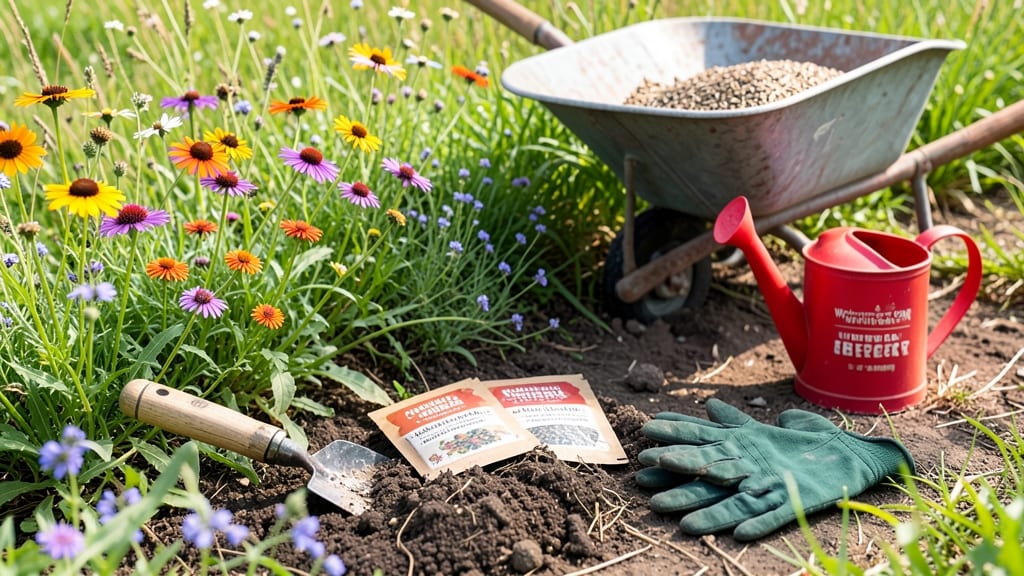
Planting wildflower seeds in Connecticut at the wrong time could mean waiting another year for that dreamy meadow of 🌼—and nobody wants to miss the bloom parade.
The key isn't just picking a month, but reading your local microclimate like a pro, whether you're in coastal New London or inland Hartford.
Spring planting gives you a head start, but timing it right after the last frost (usually around April 15) makes all the difference. Fall planting, however, offers a second chance—just don't wait past early September or the seeds might not establish before winter's chill sets in.
Why does this matter? Connecticut's varied zones—from 5b coastal areas to 6b inland valleys—create wildly different growing conditions. Too early, and frost will nip your seedlings. Too late, and summer heat might dry them out before they take root.
I'll show you exactly when to plant in each zone, which wildflower varieties thrive where, and how to prep your soil for maximum success. Let's get those seeds in the ground at the perfect moment!
Best planting months for wildflowers in Connecticut by region
Connecticut’s diverse microclimates create unique challenges for wildflower planting. From the cooler coastal areas to the warmer inland valleys and highland regions, timing matters more than you might think. Planting too early risks frost damage, while waiting too long can leave seeds vulnerable to summer drought or winter freeze.
Let’s break down the optimal planting windows for each region to ensure your wildflower meadow thrives.
Coastal Connecticut, including areas like New Haven and Stamford, experiences milder winters and cooler summers due to the ocean’s influence. Inland regions like Hartford and Litchfield have more extreme temperature swings, while highland areas (e.g., Torrington) face shorter growing seasons and colder nights.
Understanding these differences helps you choose the right planting window for your wildflower seeds.
For all regions, spring and fall are the best times to plant wildflower seeds. However, the exact months vary based on last frost dates, soil moisture levels, and temperature trends.
Coastal areas can start earlier, while highlands may need to wait until after the last frost has passed completely. Let’s dive into the specifics for each zone.
Summary Table: Best Planting Months for Wildflowers in Connecticut by Region
| Region | Optimal Planting Window | Key Considerations | Soil Moisture Needs | Temperature Range |
|---|---|---|---|---|
| Coastal (e.g., New Haven, Stamford) | Late March - Early April Late August - Mid-September |
Milder winters, cooler summers; watch for late spring frosts | Moderate to moist | 40°F - 70°F |
| Inland (e.g., Hartford, Litchfield) | Mid-April - Early May Mid-August - Late September |
Warmer days, cooler nights; avoid planting before last frost | Well-drained, moist | 35°F - 75°F |
| Highland (e.g., Torrington, Berkshires) | Early May - Mid-May Late August - Early September |
Shorter growing season; plant after all frost risk has passed | Well-drained, slightly drier | 30°F - 70°F |
In coastal Connecticut, you can start planting wildflower seeds as early as late March for spring blooms. The ocean’s moderating effect keeps soil temperatures stable, but be prepared for late frosts that can linger into April.
For fall planting, aim for late August to allow seeds to germinate before cooler weather sets in. Coastal areas also benefit from higher humidity levels, which help maintain soil moisture during germination.
For inland regions, where temperatures fluctuate more dramatically, wait until mid-April to plant in spring. This timing ensures the soil has warmed enough to support germination while avoiding frost damage.
Inland areas often experience drier conditions in late summer, so focus on fall planting in August to take advantage of residual soil moisture from spring rains.
If you’re gardening in highland areas, your window is even narrower. Wait until early May to plant in spring, as these regions tend to have the latest frost dates.
For fall planting, late August is ideal, but monitor weather forecasts closely. Highland soils can dry out quickly, so consider mulching to retain moisture during the critical germination period.
Regardless of your region, soil preparation is key to successful wildflower planting. Loosen the top 2-3 inches of soil, remove weeds, and lightly rake the area to create a fine seedbed. Wildflower seeds are often tiny, so avoid burying them too deeply—most need light to germinate.
A gentle scattering followed by a light raking will ensure good soil contact without smothering the seeds.
After planting, keep the soil consistently moist but not waterlogged. Coastal areas may require less frequent watering due to higher humidity, while inland and highland regions might need more attention, especially during dry spells.
Once seedlings emerge, reduce watering to encourage deep root growth, which helps wildflowers establish resilience against drought.
One final tip: native wildflower mixes are your best bet for Connecticut gardens. Species like black-eyed Susans, purple coneflowers, and wild bergamot are well-adapted to local conditions and will thrive with minimal fuss.
These varieties also support local pollinators, making your meadow a haven for bees and butterflies.
By aligning your planting schedule with your region’s unique climate, you’ll set your wildflowers up for success. Whether you’re sowing seeds in coastal breezes, inland heat, or highland chill, the right
How Connecticut’s microclimates affect wildflower germination success
Connecticut’s microclimates create unique challenges for wildflower germination, where coastal areas like New London experience milder winters and higher humidity, while inland regions like Hartford face earlier frost and drier conditions. These variations directly impact when—and which—wildflower seeds you should plant for the best results.
In coastal Connecticut (USDA Zone 6a-6b), the growing season starts earlier due to moderating ocean influence, with last frost dates around April 10.
This allows for earlier spring planting (as soon as March 15) of species like black-eyed Susans and bee balm, which thrive in moist, slightly acidic soils common along the shoreline.
In contrast, inland valleys (Zone 5b-6a) see frost lingering until April 20 or later, requiring patience until mid-April for spring planting. The drier, well-drained soils here favor purple coneflowers and butterfly weed, which tolerate Connecticut’s summer droughts better than moisture-loving species.
⚠️ NON-NEGOTIABLE: Soil moisture and temperature are the biggest factors in germination success. Seeds planted too early in Zone 5b (like Litchfield Hills) risk frost damage, while those planted too late in Zone 6b (like Fairfield County) may struggle with summer heat.
Always check your local frost-free date and aim for 60°F soil temperatures before sowing.
Humidity also plays a critical role—coastal areas benefit from higher air moisture, reducing the need for supplemental watering, while inland regions often require pre-sprouting seeds indoors or using mulch to retain moisture. For example, wild bergamot germinates best in 50-60% humidity, common in New Haven’s transitional climate.
Soil type varies dramatically: sandy coastal soils drain quickly, ideal for coreopsis, while clay-rich inland soils hold moisture longer, favoring goldenrod. Always amend your soil with compost to improve drainage and fertility, regardless of your microclimate.
The right prep can turn a marginal site into a thriving wildflower haven.
Finally, elevation matters. Mountainous areas like Taconic Range (Zone 5a) have shorter growing seasons, limiting fall planting to early August at the latest. Here, hardy species like asters outperform tender varieties. By matching your seeds to your microclimate’s unique conditions, you’ll maximize your wildflower meadow’s potential—no guesswork required!